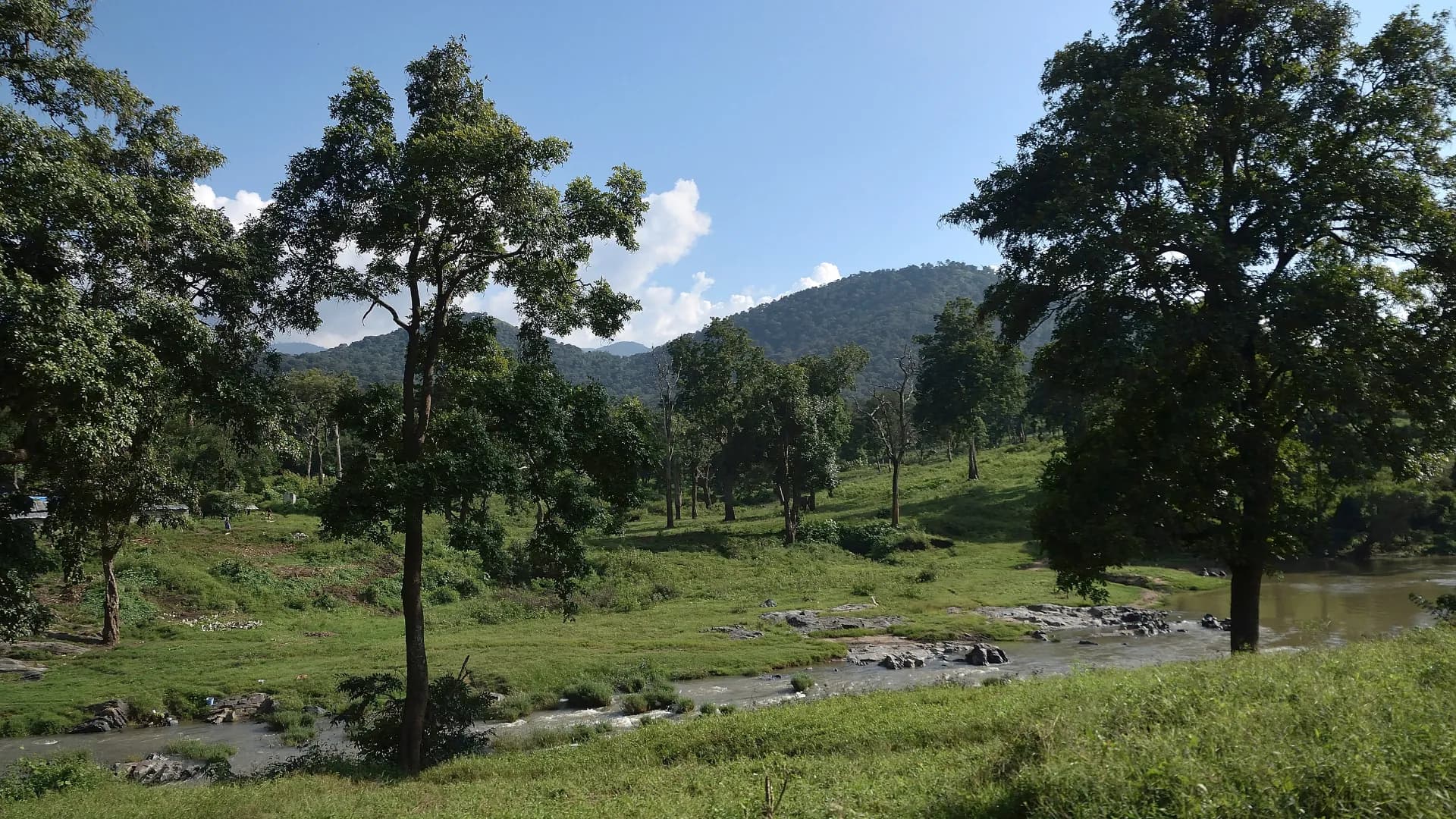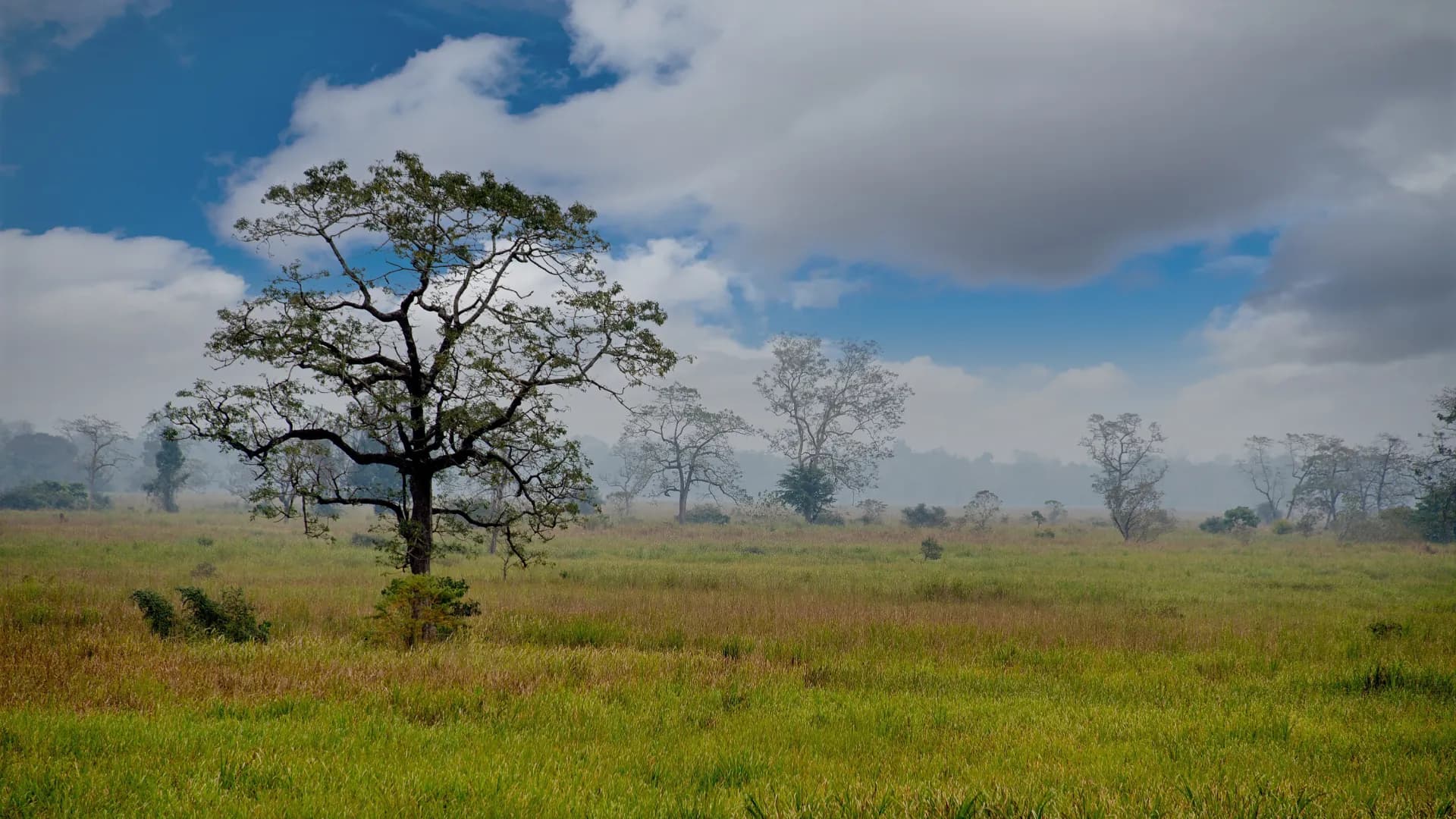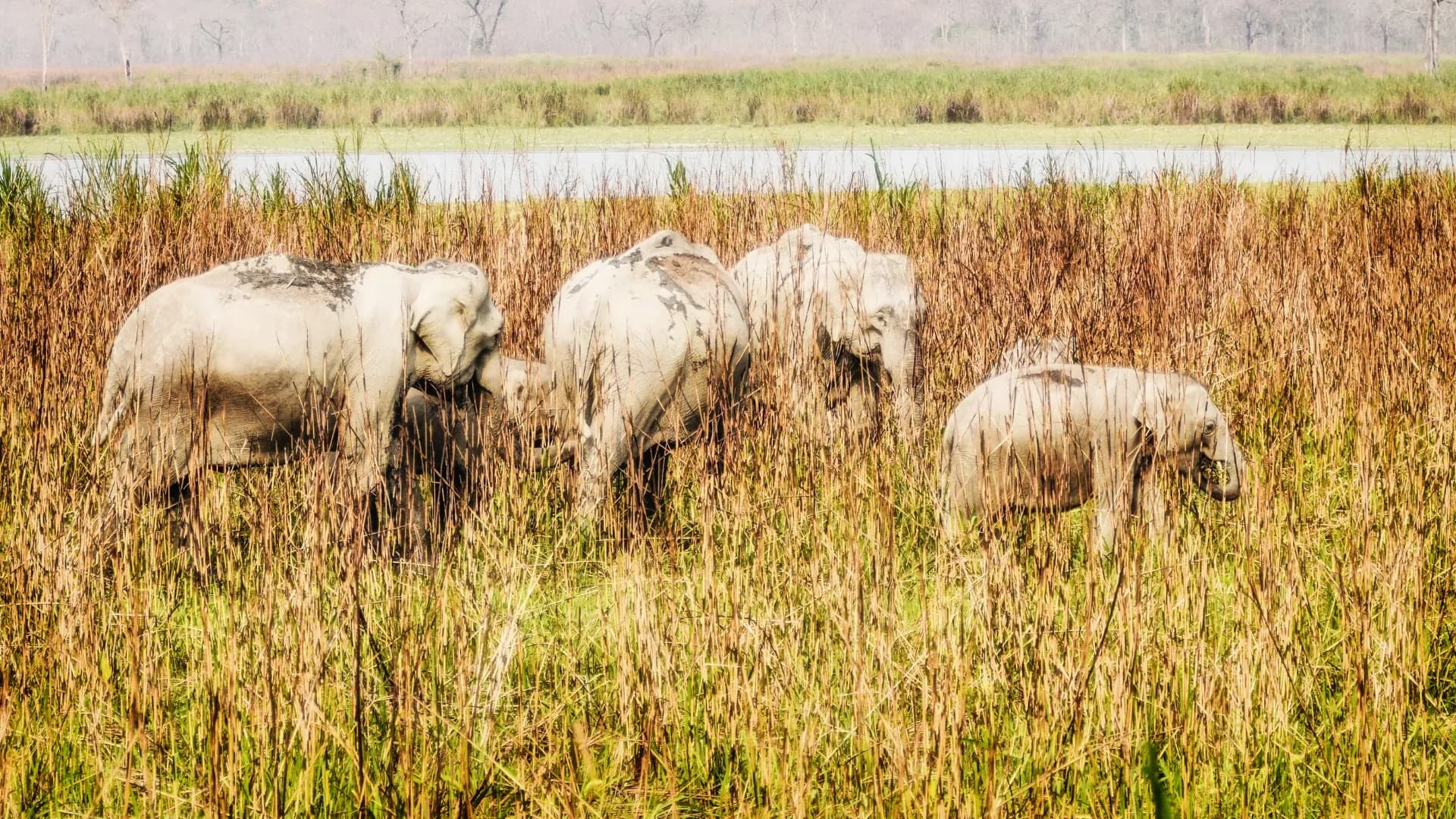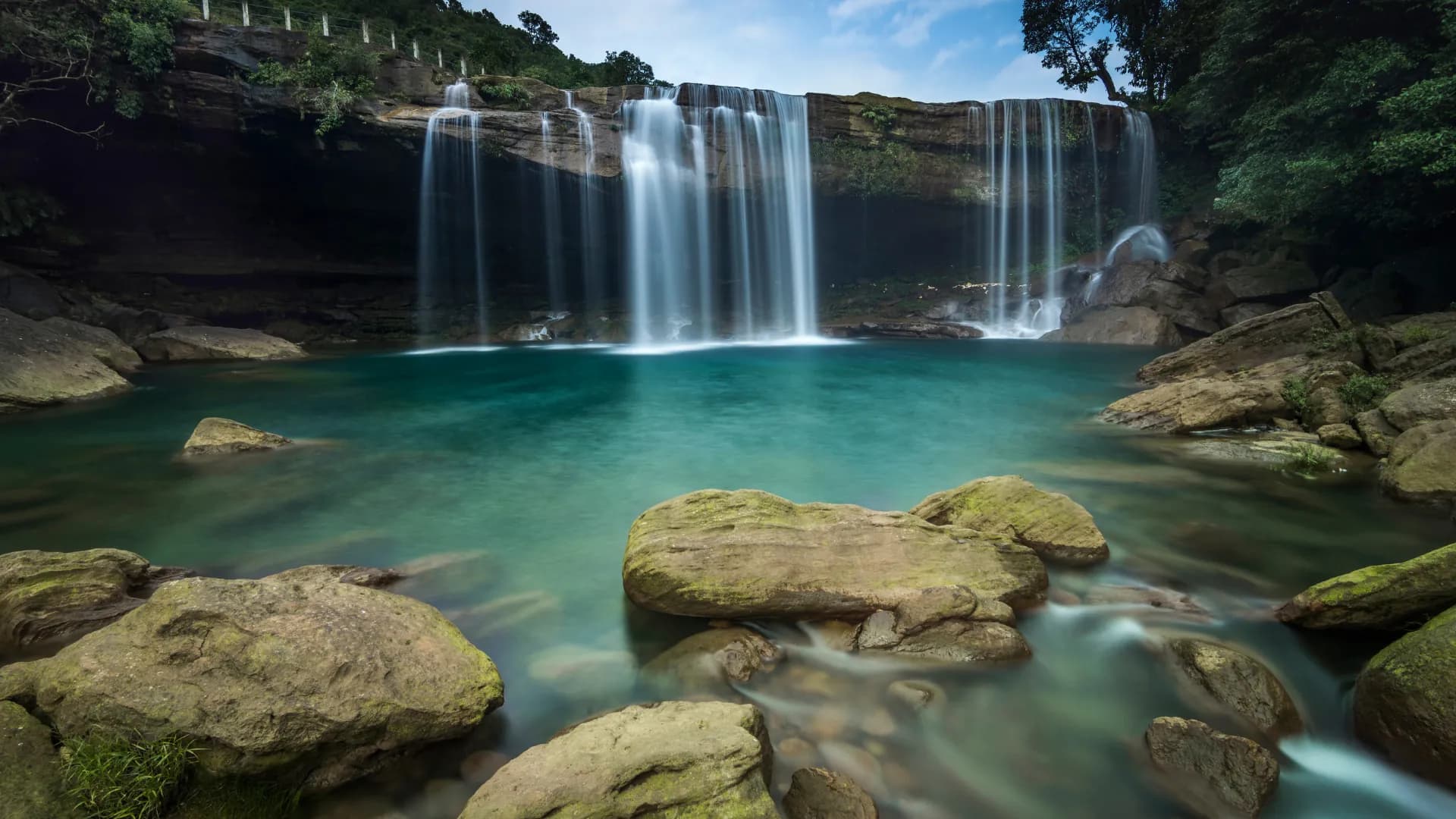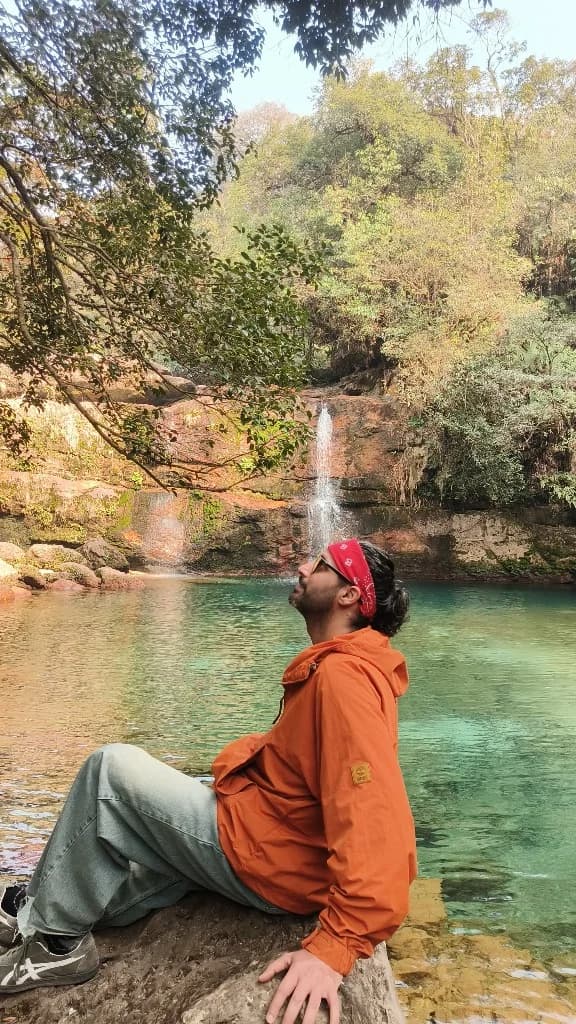
Most travellers visit Arunachal Pradesh with one destination in mind—Tawang. From the majestic Tawang Monastery and the breathtaking Sela Pass to the crystal-clear waters of Madhuri Lake, Tawang has earned its reputation as one of India's most spectacular mountain destinations. Every year, thousands of travellers journey through winding Himalayan roads just to witness its beauty. Yet, if your journey ends in Tawang, you've experienced only one chapter of Arunachal Pradesh. Beyond the famous attractions lies a quieter, more authentic side of the Eastern Himalayas. Ancient villages continue to preserve centuries-old traditions. Peaceful valleys remain untouched by mass tourism. Local communities welcome visitors with genuine warmth, while hidden monasteries, alpine forests, and scenic trails reveal landscapes that rarely appear on popular travel itineraries. These are the places where mornings begin with prayer flags fluttering in the mountain breeze, rivers flow through untouched valleys, and every road leads to a story waiting to be discovered. This is the Arunachal Pradesh that rewards curious travellers. This is the Arunachal Pradesh beyond Tawang. Whether you're planning your first visit or returning to explore deeper, this guide will introduce you to some of the state's finest hidden gems—places that deserve a place on every thoughtfully curated [Northeast India itinerary](/package/tawang-best-7d).
Quick Facts
State: Arunachal Pradesh Famous Destination: Tawang Best Time to Visit: October–May & July–September Ideal Trip Duration: 7–10 Days Nearest Airport: Tezpur & Guwahati Best For: Nature Lovers, Families, Couples, Photographers, Adventure Travellers Road Condition: Mountain Roads (Good Driving Experience Recommended) Permit: Inner Line Permit (ILP) required for Indian citizens
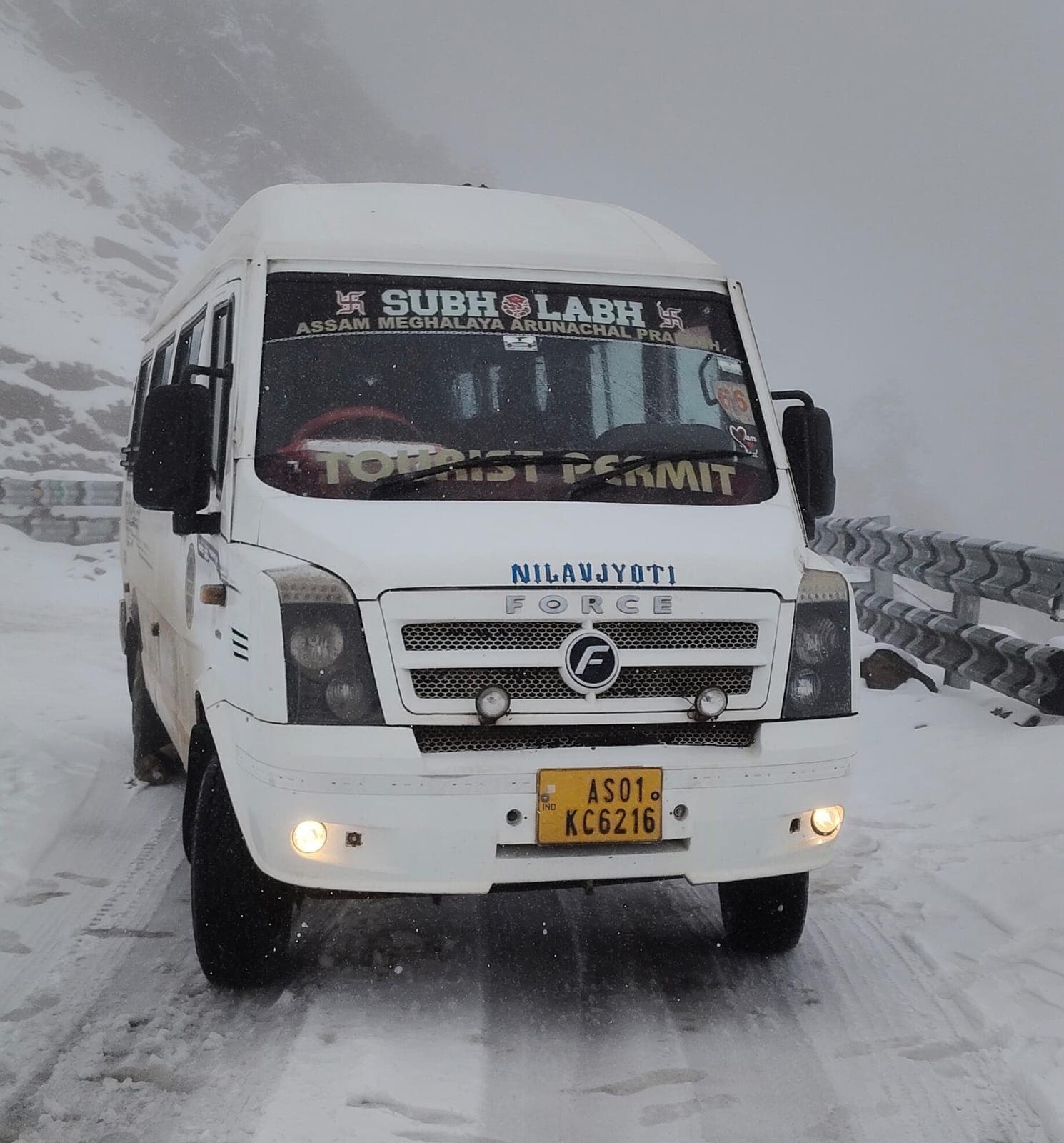
Why Explore Beyond Tawang?
For many visitors, Tawang becomes the highlight of their Arunachal journey—and rightly so. The monastery, snow-capped peaks, high-altitude lakes, and dramatic mountain roads create unforgettable memories.
However, Arunachal Pradesh offers much more than its most famous town.
Travelling beyond Tawang allows you to experience the state at a slower pace, where every destination feels more personal and every interaction more meaningful.
Unlike crowded tourist circuits, these lesser-known places offer tranquillity, authenticity, and a deeper connection with the land and its people.
Imagine walking through a centuries-old Himalayan village where traditional stone houses still stand proudly. Picture yourself enjoying a cup of local butter tea while overlooking a valley untouched by commercial tourism. Listen to the sound of mountain streams instead of traffic, and spend evenings under skies filled with countless stars.
These experiences cannot be found on a standard sightseeing itinerary.
They are discovered only by travelling beyond the obvious.
1. Authentic Cultural Experiences
Arunachal Pradesh is home to numerous indigenous communities, each with unique traditions, languages, architecture, festivals, and cuisine.
Travelling beyond Tawang introduces visitors to authentic village life where customs have remained unchanged for generations.
Rather than simply visiting attractions, you become part of local stories.
2. Untouched Himalayan Landscapes
Many travellers are surprised to discover that some of Arunachal's most breathtaking scenery exists away from the popular tourist route.
Rolling valleys, alpine forests, peaceful rivers, traditional farmlands, and mountain villages combine to create landscapes that feel completely untouched.
These destinations remain relatively quiet throughout most of the year, allowing visitors to appreciate nature without the crowds.
3. Photography Beyond the Famous Viewpoints
For photographers, Arunachal Pradesh is far more than snow-covered mountains.
Golden sunrise over remote valleys.
Prayer flags dancing in the wind.
Traditional wooden homes.
Ancient monasteries hidden among pine forests.
Local festivals filled with colour.
Every village offers a different perspective of Himalayan life.
4. Meaningful Slow Travel
Modern travel often becomes a race to tick destinations off a checklist.
Offbeat Arunachal encourages the opposite.
Stay longer.
Walk through villages.
Talk to local families.
Taste regional food.
Learn about traditions.
Spend an evening watching clouds roll across the mountains.
These simple experiences often become the most memorable part of the journey.
5. Supporting Local Communities
Choosing lesser-known destinations also benefits local communities.
Staying in family-run homestays, hiring local guides, purchasing handmade crafts, and dining at village eateries contribute directly to the local economy while helping preserve cultural heritage.
Responsible tourism ensures these beautiful places remain authentic for future generations.
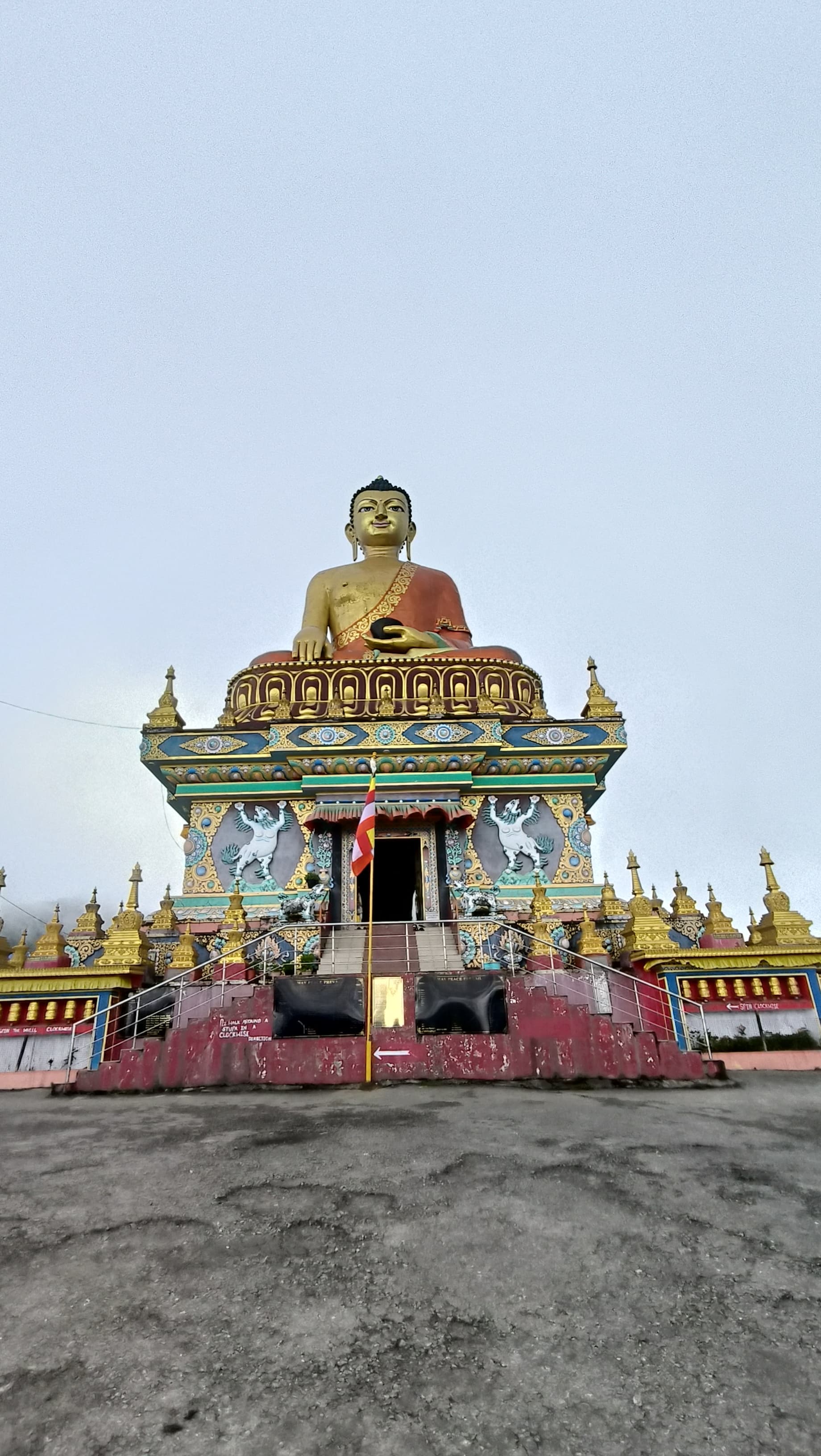
Who Should Explore Beyond Tawang?
This journey is perfect for travellers who believe that travel is about experiences—not just sightseeing.
It is ideal for:
- Couples looking for peaceful mountain escapes. - Families seeking meaningful holidays together. - Nature lovers searching for untouched landscapes. - Photographers chasing unique Himalayan perspectives. - Solo travellers interested in local culture. - Road trip enthusiasts who enjoy scenic mountain drives. - Repeat visitors who have already explored Tawang's famous attractions.
If you enjoy discovering places before they become popular, this route is made for you.
Explore our Tawang 7-Day Package or our Arunachal & Kaziranga 13-Day Package for a curated experience that goes far beyond the usual itinerary.
The Beauty of Choosing a Curated Journey
One of the biggest misconceptions about Arunachal Pradesh is that every traveller should follow the same itinerary.
In reality, every journey should reflect your interests.
Some travellers dream of photographing mountain landscapes at sunrise. Others wish to spend time with local communities, experience traditional cuisine, or simply relax in quiet valleys away from busy tourist spots.
A thoughtfully curated itinerary allows you to travel at your own pace, include experiences that matter most, and uncover destinations that many visitors overlook.
That is why offbeat travel isn't about visiting more places—it's about experiencing places more deeply.
In the next section of this guide, we'll explore some of Arunachal Pradesh's most remarkable hidden destinations, including Shergaon, Sangti Valley, Thembang Heritage Village, Zemithang, Chug Valley, and other extraordinary locations that reveal the true soul of the Eastern Himalayas.
Read our Kolkata to Arunachal Pradesh tour guide for detailed travel route and permit information.
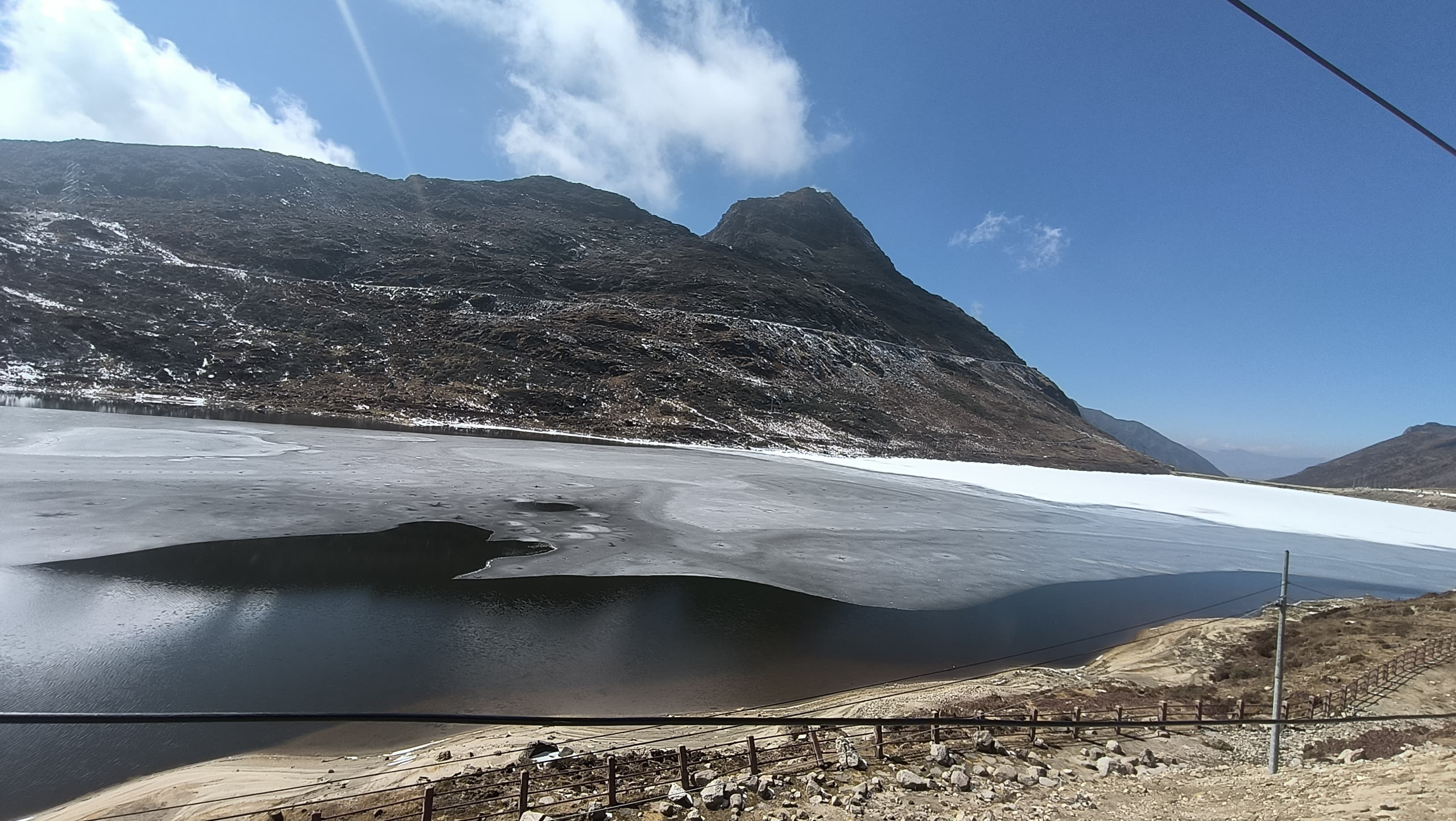
Shergaon – Arunachal Pradesh's Hidden Himalayan Village
Most travellers driving towards Tawang pass through the West Kameng district without realizing that one of Arunachal Pradesh's most beautiful mountain villages lies just a short detour away. Nestled at an altitude of around 1,900 metres, Shergaon is a peaceful Himalayan village surrounded by dense pine forests, apple orchards, terraced farms, and snow-capped peaks.
Unlike popular tourist destinations, Shergaon has managed to preserve its authentic charm. Life here moves slowly, traditions remain deeply rooted, and visitors are welcomed with genuine warmth by the local Monpa community.
If your idea of travel is to experience the soul of a destination rather than simply ticking off famous landmarks, Shergaon deserves a place on your Arunachal Pradesh itinerary.
A Glimpse into Shergaon's History
Shergaon is believed to be over a thousand years old and has long been home to the Monpa people, one of Arunachal Pradesh's oldest Buddhist communities. Historically, the village was an important settlement on ancient Himalayan trade routes connecting Tibet with the plains of Assam.
For centuries, the Monpas of Shergaon sustained themselves through agriculture, animal husbandry, weaving, and trade. Despite modernization, the village continues to preserve many of its age-old customs, making it one of the finest places to experience traditional Himalayan life.
The name "Shergaon" is often associated with the region's rich cultural heritage, and many of its old homes, monasteries, and community spaces continue to reflect this legacy.
What Makes Shergaon Special?
Unlike commercial hill stations filled with hotels and crowds, Shergaon offers something increasingly rare—peace.
The village is surrounded by lush forests, crystal-clear streams, prayer flags fluttering in the mountain breeze, and quiet walking trails. Wooden houses with carved balconies line narrow roads, while colourful gardens bloom during spring and summer.
The atmosphere here encourages travellers to slow down, breathe deeply, and connect with nature.
It is not a destination to rush through—it is a place to experience.
Top Experiences in Shergaon
Walk Through Traditional Monpa Villages: Spend time exploring the village on foot. Observe beautifully crafted wooden homes, prayer wheels, and traditional farming practices that have remained unchanged for generations.
Visit Local Monasteries: Shergaon is home to peaceful Buddhist monasteries where visitors can witness daily prayers, admire traditional murals, and experience the spiritual side of the Himalayas.
Forest Walks: The surrounding forests are ideal for leisurely walks, birdwatching, and photography. During spring, blooming rhododendrons add vibrant colours to the landscape.
Apple Orchards: Depending on the season, visitors can explore apple orchards and enjoy the scenic countryside that surrounds the village.
Experience Local Hospitality: Staying in a family-run homestay provides an opportunity to enjoy authentic Monpa cuisine, learn about local traditions, and experience everyday village life.
Best Time to Visit Shergaon
- March to May: Pleasant weather, blooming flowers, and clear mountain views. - September to November: Crisp skies, colourful landscapes, and ideal conditions for photography. - December to February: Cold weather with occasional snowfall in nearby higher-altitude areas.
Sangti Valley – Arunachal Pradesh's Hidden Paradise
Just a short drive from Dirang lies one of the Eastern Himalayas' most peaceful destinations—Sangti Valley.
While many travellers continue directly towards Tawang, those who take a detour to Sangti are rewarded with breathtaking landscapes, crystal-clear rivers, wooden bridges, traditional villages, and an atmosphere of complete tranquillity.
The valley remains relatively untouched by commercial tourism, making it one of the best places in Arunachal Pradesh for slow travel.
History and Natural Heritage
Sangti Valley has been inhabited for generations by the Monpa community, whose lifestyle remains closely connected to the surrounding mountains and rivers.
The valley is also internationally known as the seasonal home of the Black-necked Crane, a rare and revered migratory bird that arrives from the Tibetan Plateau during winter. These graceful birds are considered sacred in Buddhist culture and symbolize peace, longevity, and harmony.
Their annual migration has made Sangti Valley an important destination for birdwatchers and wildlife enthusiasts.
Why Sangti Valley Should Be on Your Itinerary
Unlike destinations built around sightseeing, Sangti Valley offers experiences rooted in nature.
Wake up to the sound of flowing rivers.
Walk across wooden bridges overlooking alpine meadows.
Watch mist drift slowly across the mountains.
Spend evenings beneath a sky illuminated by thousands of stars.
Here, every moment invites you to pause and appreciate the beauty of the Himalayas.
Top Experiences
- Walk beside the Sangti River. - Enjoy sunrise over the valley. - Visit nearby Monpa villages. - Experience traditional farming landscapes. - Watch migratory Black-necked Cranes (seasonal). - Enjoy nature photography and birdwatching. - Stay in eco-friendly homestays.
Photography Highlights
Sangti Valley offers exceptional opportunities for landscape photographers.
Early morning light transforms the valley into a canvas of golden fields, mist-covered forests, and snow-capped peaks, creating some of the most photogenic scenes in Arunachal Pradesh.
Thembang Heritage Village – A Journey Through 1,000 Years of Himalayan History
High in the mountains of West Kameng district lies Thembang Heritage Village, one of Arunachal Pradesh's most historically significant settlements.
Unlike many Himalayan villages that have gradually modernized, Thembang continues to preserve its medieval layout, fortified stone walls, ancient gateways, and traditional Monpa architecture.
Walking through its narrow stone pathways feels less like visiting a tourist attraction and more like stepping into a living museum.
A Village with Remarkable History
Thembang is believed to be more than 1,000 years old and was once an important fortified settlement of the Monpa kingdom.
According to local traditions, the village played a strategic role in protecting ancient Himalayan trade routes linking Tibet with the plains of Assam.
Its impressive stone fortifications, defensive gateways, and watch points were designed to safeguard the community from invasions while preserving trade and cultural exchanges.
Because of its exceptional cultural and architectural value, Thembang has been included on UNESCO's Tentative List of World Heritage Sites, highlighting its importance as one of the Eastern Himalayas' finest surviving heritage villages.
Living Heritage
Unlike archaeological ruins, Thembang remains a living village where families continue to reside within centuries-old stone houses.
Visitors can witness traditional architecture, ancient community spaces, prayer flags, and monasteries that continue to play an active role in everyday life.
Every stone pathway tells a story of resilience, faith, and cultural continuity.
Top Experiences
- Explore the ancient fortified village. - Walk through traditional stone streets. - Visit historic monasteries. - Interact with local Monpa families. - Learn about traditional architecture. - Photograph UNESCO-recognized heritage landscapes. - Enjoy panoramic Himalayan views from the village.
Why Thembang Is Different
Many destinations impress visitors with natural beauty.
Thembang offers something even rarer—a chance to experience living history.
Its combination of culture, architecture, spirituality, and breathtaking mountain scenery makes it one of the most rewarding offbeat destinations in Arunachal Pradesh.
For travellers seeking meaningful experiences beyond Tawang, Thembang is not just a stop on the journey—it is one of the journey's greatest highlights.
Mago – The Last Himalayan Village Before the Indo-Tibet Border
Hidden high in the mountains of West Kameng district, Mago is one of Arunachal Pradesh's most remote and fascinating villages. Located close to the Indo-Tibet border, this peaceful settlement remains untouched by mass tourism and offers travellers an authentic glimpse into life in the high Himalayas.
Reaching Mago is an adventure in itself. The winding mountain roads pass through dense forests, alpine meadows, glacial streams, and dramatic Himalayan landscapes. Every turn reveals breathtaking scenery, making the journey just as rewarding as the destination.
Unlike popular tourist spots, Mago is defined by its silence, pristine environment, and deep spiritual atmosphere.
History of Mago
For centuries, Mago has been inhabited by the Monpa community, whose traditions are closely connected to Tibetan Buddhism and the Himalayan way of life.
Historically, the village formed part of ancient trade routes linking Tibet with the Monpa settlements of Arunachal Pradesh. Local communities exchanged salt, wool, medicinal herbs, and handmade goods across these mountain passes long before modern roads existed.
Today, despite improved connectivity, Mago continues to preserve its traditional lifestyle, making it one of the most culturally significant villages in the region.
Why Visit Mago?
Mago is perfect for travellers seeking experiences beyond sightseeing.
Here, you'll discover:
- Ancient Buddhist traditions - High-altitude Himalayan landscapes - Traditional stone houses - Peaceful monasteries - Crystal-clear mountain streams - Authentic Monpa hospitality
The village also serves as a gateway to several remote trekking routes and high-altitude valleys rarely visited by tourists.
Mandala Top – Where Mountains Meet the Sky
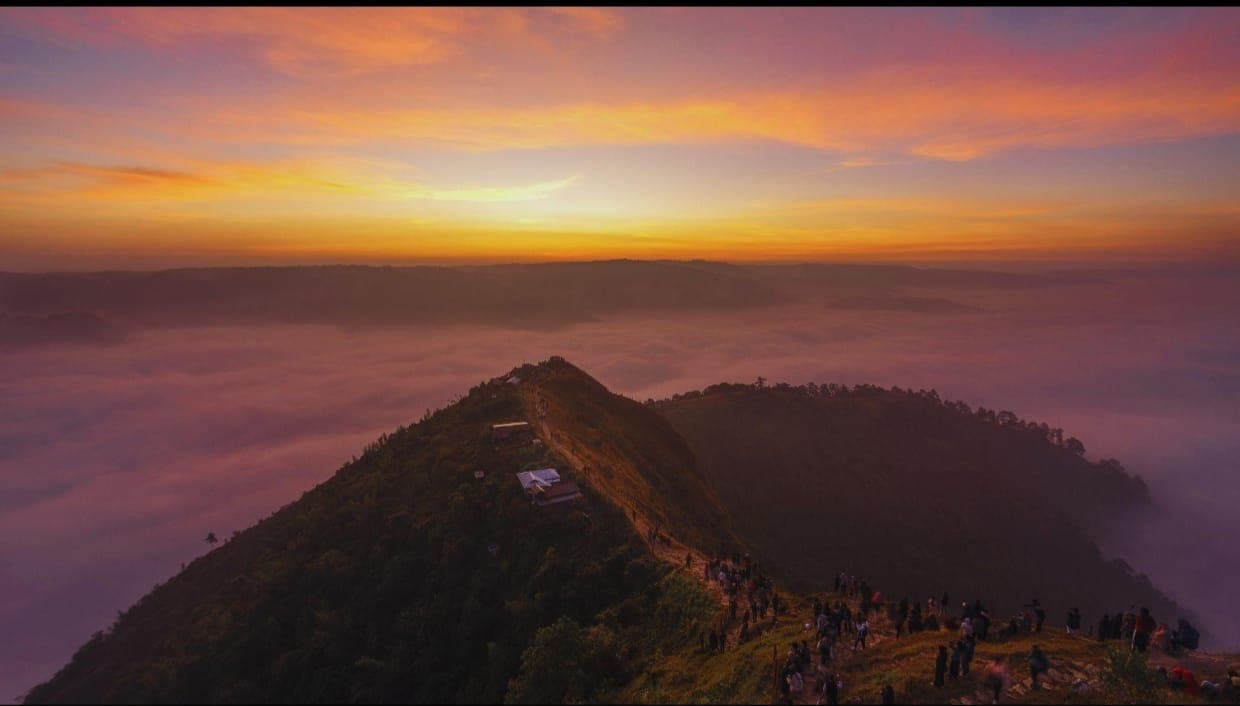
Located near Dirang at an elevation of approximately 10,000 feet, Mandala Top has rapidly become one of Arunachal Pradesh's most spectacular viewpoints.
Unlike ordinary viewpoints, Mandala Top combines breathtaking Himalayan panoramas with spirituality and peace.
The site is famous for its 108 Buddhist stupas, arranged beautifully across the mountain ridge. Colourful prayer flags flutter continuously in the crisp mountain breeze, while the surrounding peaks create an unforgettable backdrop.
Whether you arrive at sunrise or sunset, Mandala Top offers one of the finest panoramic views in the Eastern Himalayas.
History and Spiritual Significance
The 108 stupas were built to promote peace, compassion, and harmony according to Buddhist beliefs.
The number 108 holds deep spiritual significance in Buddhism, symbolizing completeness and enlightenment. Prayer beads used by Buddhist monks also traditionally contain 108 beads.
Walking among these white stupas while overlooking the snow-covered Himalayas creates a deeply peaceful experience.
Many visitors describe Mandala Top as one of the most serene places in Arunachal Pradesh.
Things to Experience
- Watch sunrise above the Himalayan ranges. - Visit the 108 Buddhist stupas. - Enjoy panoramic mountain photography. - Experience peaceful meditation. - Observe colourful prayer flags dancing in the wind.
Mandala Top is especially popular among photographers because changing light conditions transform the landscape throughout the day.
Our Arunachal Pradesh 13-day package includes Mandala Top as part of a broader offbeat circuit.
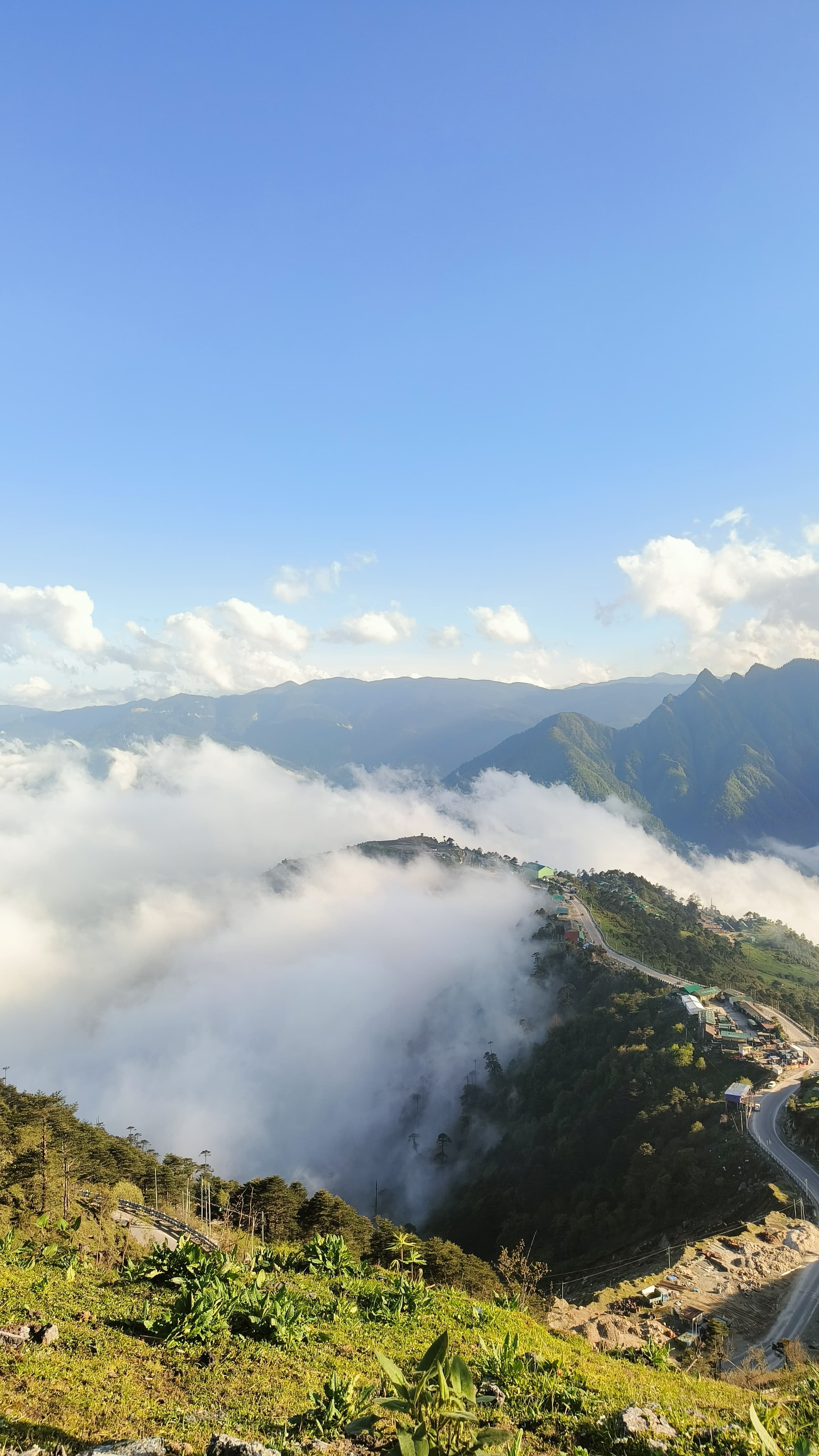
Hidden Monasteries Beyond Tawang
Although Tawang Monastery is the most famous Buddhist monastery in Arunachal Pradesh, several lesser-known monasteries offer equally meaningful experiences.
These monasteries receive fewer visitors, allowing travellers to experience Buddhist traditions in a quieter and more intimate setting.
Thupsung Dhargye Ling Monastery – Dirang
Situated above Dirang Valley, this monastery offers spectacular views of the surrounding mountains.
Visitors can observe monks during daily prayers, admire intricate Buddhist artwork, and enjoy a peaceful atmosphere away from busy tourist routes.
Sangti Monastery
Overlooking Sangti Valley, this monastery provides an ideal place for reflection.
Its tranquil surroundings, prayer halls, and panoramic views make it one of the hidden spiritual treasures of West Kameng.
Monasteries Around Shergaon
Several small monasteries scattered around Shergaon continue to serve local communities.
Unlike larger monasteries, these sacred places allow visitors to experience Buddhist traditions at a personal level while respecting local customs.
Understanding Monpa Culture
One of the greatest reasons to travel beyond Tawang is the opportunity to experience the rich culture of the Monpa people.
The Monpas are among Arunachal Pradesh's oldest Buddhist communities and are known for their hospitality, craftsmanship, colourful festivals, and strong spiritual traditions.
Their culture reflects centuries of Himalayan history shaped by trade, religion, and life in one of India's most remote mountain regions.
Traditional Architecture
Monpa houses are constructed using locally available stone and timber.
Sloping roofs protect homes from heavy snowfall, while intricately carved wooden windows showcase remarkable craftsmanship passed down through generations.
Many homes include prayer rooms and beautifully decorated courtyards.
Local Cuisine
Food forms an important part of Monpa hospitality.
Visitors should try:
- Thukpa (noodle soup) - Zan (traditional millet-based dish) - Momos - Butter Tea - Yak Cheese - Local herbal soups
Meals are simple, nutritious, and perfectly suited to the Himalayan climate.
Festivals
The Monpa community celebrates several vibrant festivals throughout the year.
Losar: The Tibetan New Year is marked by colourful celebrations, traditional dances, community feasts, and prayers for prosperity.
Torgya Festival: Held at Tawang Monastery, Torgya features sacred masked dances performed by monks to ward off negative energies and bring peace to the region.
These festivals provide visitors with an extraordinary opportunity to witness living Himalayan traditions.
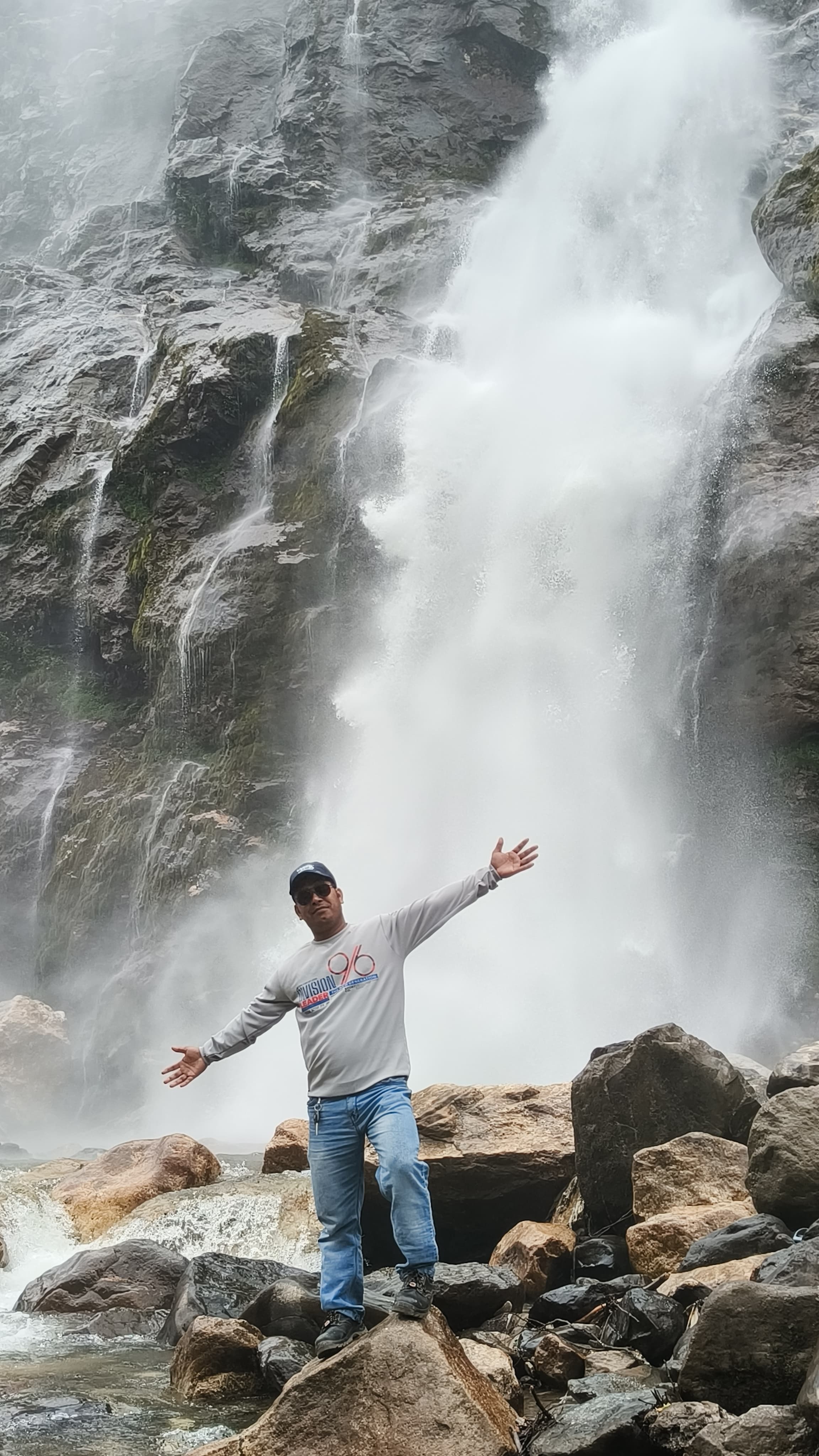
Why Offbeat Arunachal Is Worth Exploring
The beauty of Arunachal Pradesh isn't limited to famous destinations.
Its true magic lies in quiet villages where traditions continue uninterrupted.
In valleys where rivers flow through untouched landscapes.
In monasteries where monks chant centuries-old prayers.
And in mountain roads where every turn reveals another breathtaking view.
Travelling beyond Tawang isn't about adding more places to your itinerary—it's about discovering the authentic soul of the Eastern Himalayas.
For travellers seeking meaningful experiences, genuine local culture, and landscapes untouched by mass tourism, the hidden gems of Arunachal Pradesh offer memories that last far beyond the journey itself.
Discover our Arunachal & Kaziranga 13-day explorer package that combines the iconic with the offbeat.
The Snow Kingdom – Sela Pass, Sela Lake, Bum La Pass, Madhuri Lake & PTSO Lake
For many travellers, the journey from Dirang to Tawang is the most unforgettable part of visiting Arunachal Pradesh. As the road climbs above 4,000 metres, forests gradually disappear, giving way to snow-covered mountains, frozen lakes, glacial streams, and dramatic Himalayan landscapes.
This route is more than a scenic drive—it's a journey through history, spirituality, and one of India's most strategically important border regions.
Sela Pass – The Gateway to Tawang
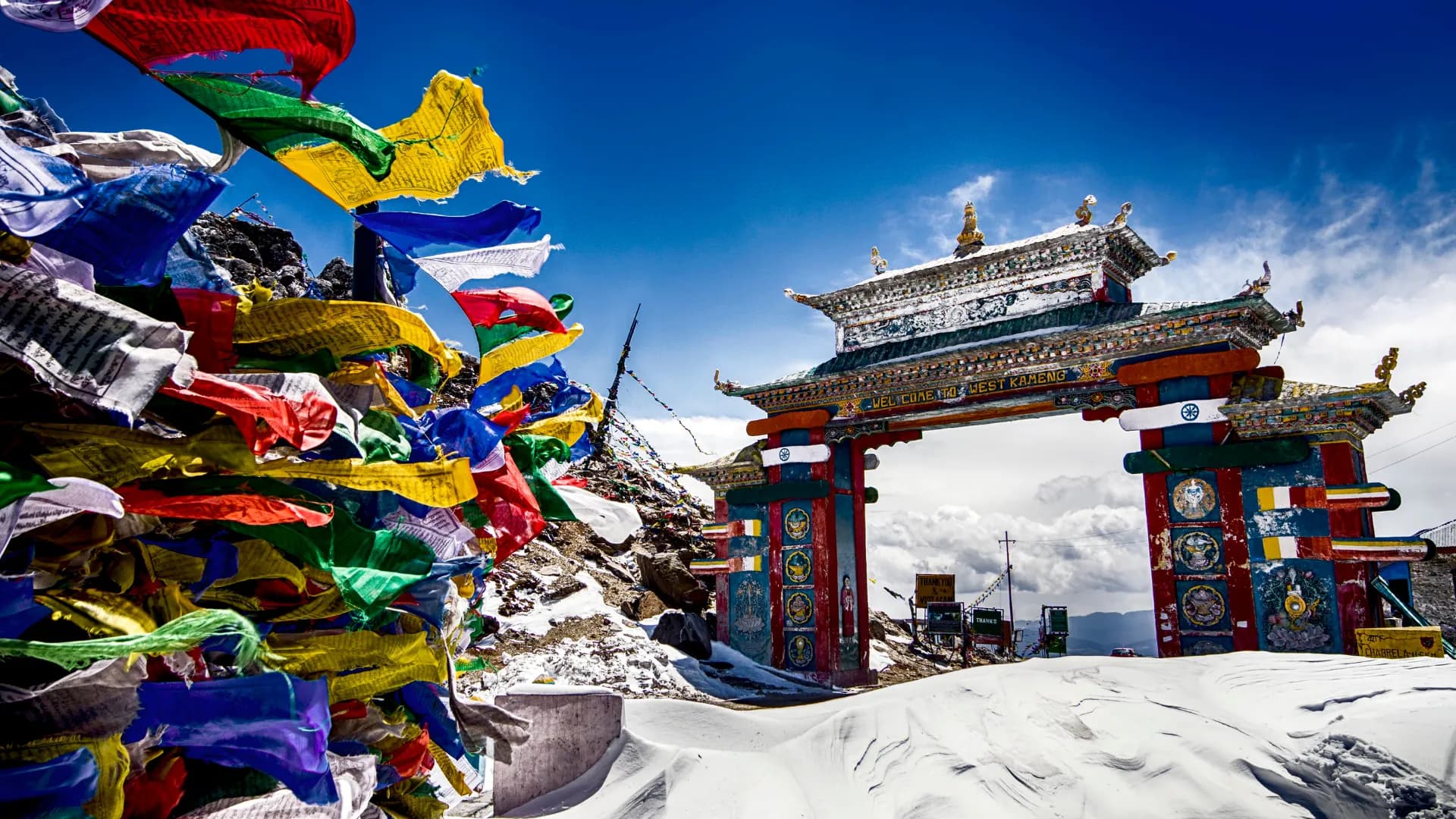
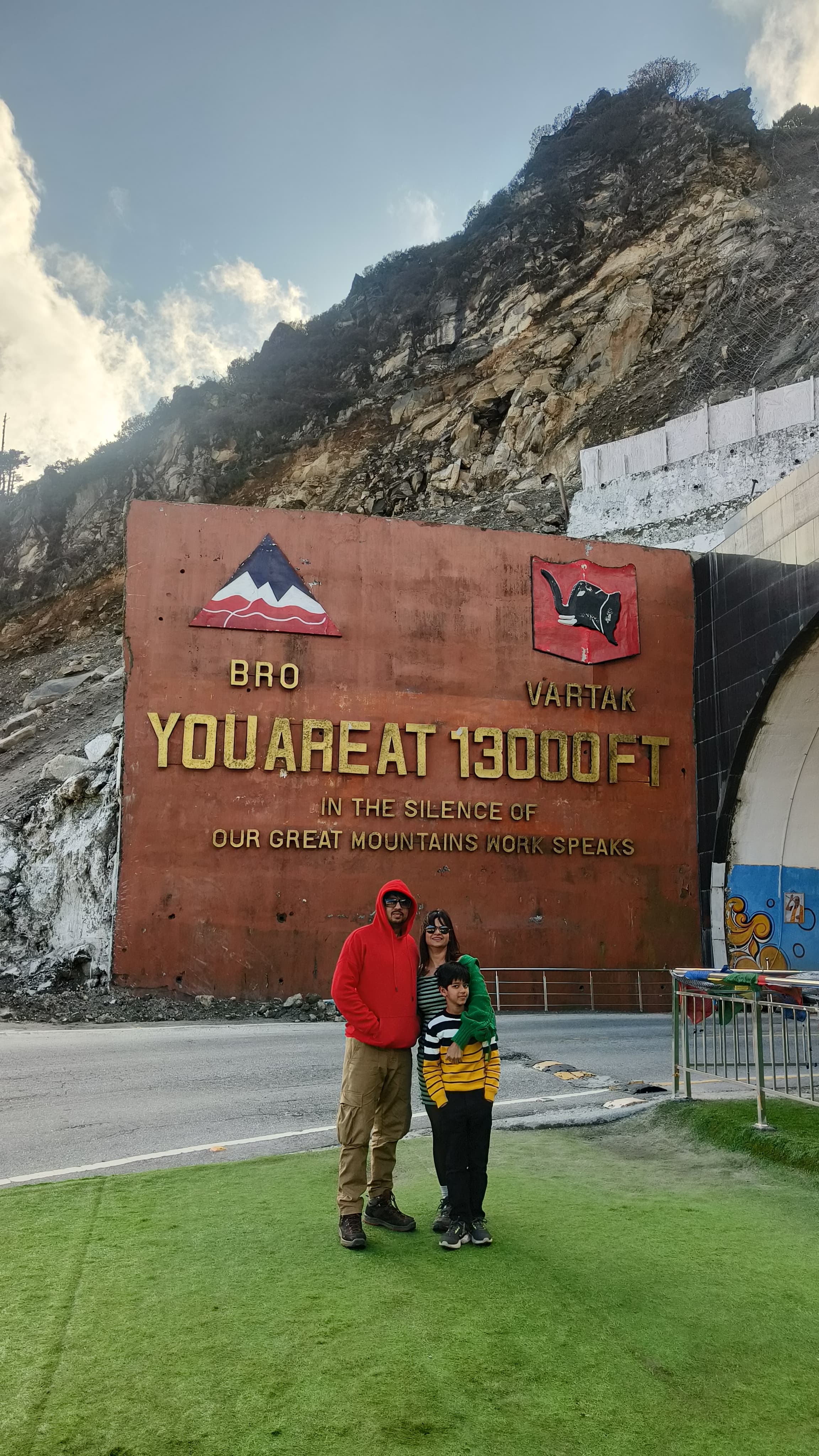
Standing at approximately 4,170 metres (13,700 feet) above sea level, Sela Pass (Se La) is one of India's highest motorable mountain passes. Connecting West Kameng with Tawang on NH-13, it remains a vital lifeline for both local communities and the Indian Armed Forces. The pass is considered sacred in Tibetan Buddhism, and the surrounding region is believed to contain more than 100 sacred lakes.
Snow can blanket the landscape for much of the winter, transforming Sela Pass into a breathtaking white wilderness.
The Legend Behind the Name
One of the most well-known local stories connects Sela Pass with the 1962 Sino-Indian War.
According to local tradition, Indian soldier Jaswant Singh Rawat fought bravely against advancing Chinese forces with the help of two Monpa girls, Sela and Nura (Noora). After the battle, Sela is said to have sacrificed her life, and the pass and nearby lake were later named in her memory. Jaswant Singh Rawat was posthumously awarded the Maha Vir Chakra, and the nearby Jaswant Garh War Memorial continues to honour his courage. While parts of the story are preserved through local oral tradition, the battle itself remains an important chapter in the history of the 1962 war.
Why Sela Pass Is Special
- One of India's highest motorable mountain passes. - Snow-covered scenery during winter. - Colourful Buddhist prayer flags. - Breathtaking Himalayan landscapes. - Important military and historical significance. - Gateway to Tawang.
Sela Lake (Paradise Lake)
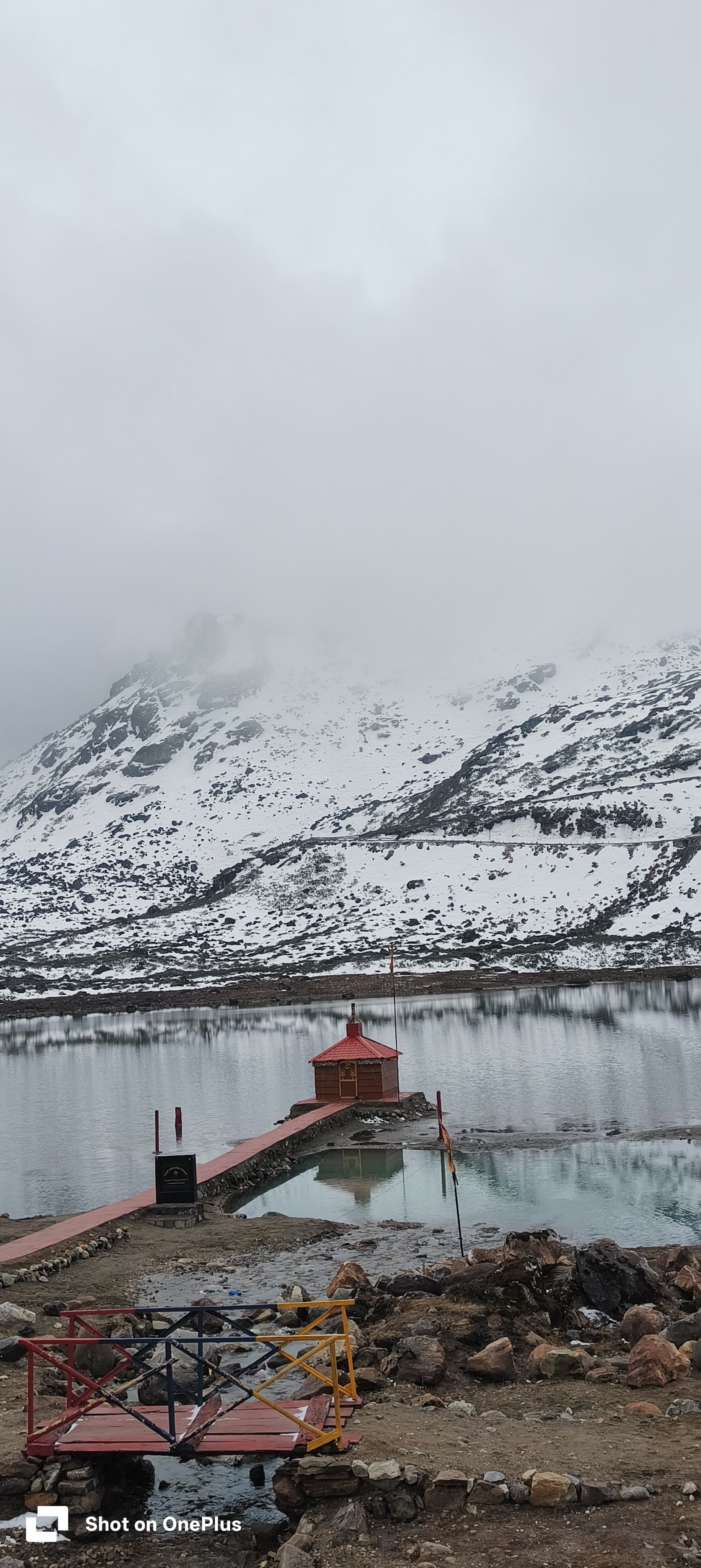
Just below the pass lies the stunning Sela Lake, often called Paradise Lake.
This high-altitude glacial lake sits at over 13,000 feet, surrounded by rugged mountains and sparse alpine vegetation. During winter, the lake frequently freezes, creating one of the most iconic winter landscapes in Northeast India. The lake also feeds the Nuranang River and serves as a summer grazing area for yaks.
For the local Monpa community, Sela Lake is not only beautiful but also spiritually significant, forming part of a network of sacred lakes revered in Tibetan Buddhism.
Bum La Pass – Standing at the Edge of India
Around 37 km from Tawang, Bum La Pass lies close to the India–China (Tibet) border at an elevation of about 15,200 feet.
The road to Bum La is one of the highest and most dramatic drives in the Eastern Himalayas. Travellers pass snowfields, frozen streams, army camps, and windswept mountain landscapes before reaching the border area.
Historical Importance
Long before modern roads existed, Bum La formed part of an ancient trade route connecting Tawang with Tsona Dzong in Tibet.
During the 1962 Sino-Indian War, Bum La witnessed fierce fighting between Indian and Chinese forces. Today, it is one of the officially designated Border Personnel Meeting (BPM) points, where the Indian Army and the People's Liberation Army meet periodically to maintain communication and confidence along the frontier. The pass also reopened for limited border trade in 2006 after decades of closure.
Visiting Bum La: Because of its strategic location, Indian visitors require a special permit issued in Tawang and endorsed by the Army before travelling to Bum La. Access may also be restricted during severe weather or operational requirements.
Madhuri Lake (Sangetsar Tso)
Among Arunachal Pradesh's most photographed destinations, Sangetsar Tso is popularly known as Madhuri Lake.
The lake earned its nickname after scenes from the Bollywood film Koyla (1997) featuring actress Madhuri Dixit were filmed here, and the name has remained popular among visitors ever since.
The Story Behind the Lake
Unlike many natural Himalayan lakes, Sangetsar Tso was formed after a powerful earthquake triggered landslides that blocked the flow of water, submerging the surrounding forest. Even today, the trunks of submerged trees rise from the lake's surface, creating an unforgettable and hauntingly beautiful landscape.
Prayer flags flutter along the lakeshore, while yaks often graze nearby during the warmer months.
PTSO Lake – A Hidden Alpine Jewel
Many travellers use the name Madhuri Lake, while some itineraries refer to the same destination as PTSO Lake.
Set at roughly 3,700 metres, the lake's crystal-clear waters mirror the surrounding mountains, making it one of the most photogenic stops on the road to Bum La. Morning visits generally offer the clearest light and calmest conditions for photography.
Whether you know it as Sangetsar Tso, Madhuri Lake, or PTSO Lake, the destination remains one of the true highlights of a Tawang journey.
A Journey You'll Never Forget
Travelling through Sela Pass, Sela Lake, Bum La Pass, and Sangetsar (Madhuri) Lake is more than a sightseeing excursion.
It is a journey across snow-covered mountains, through stories of courage from the 1962 war, into landscapes held sacred by local Buddhist communities, and along roads that continue to connect some of India's most remote Himalayan frontiers.
These destinations represent the heart of Arunachal Pradesh—where nature, history, spirituality, and adventure come together to create an experience unlike anywhere else in Northeast India.
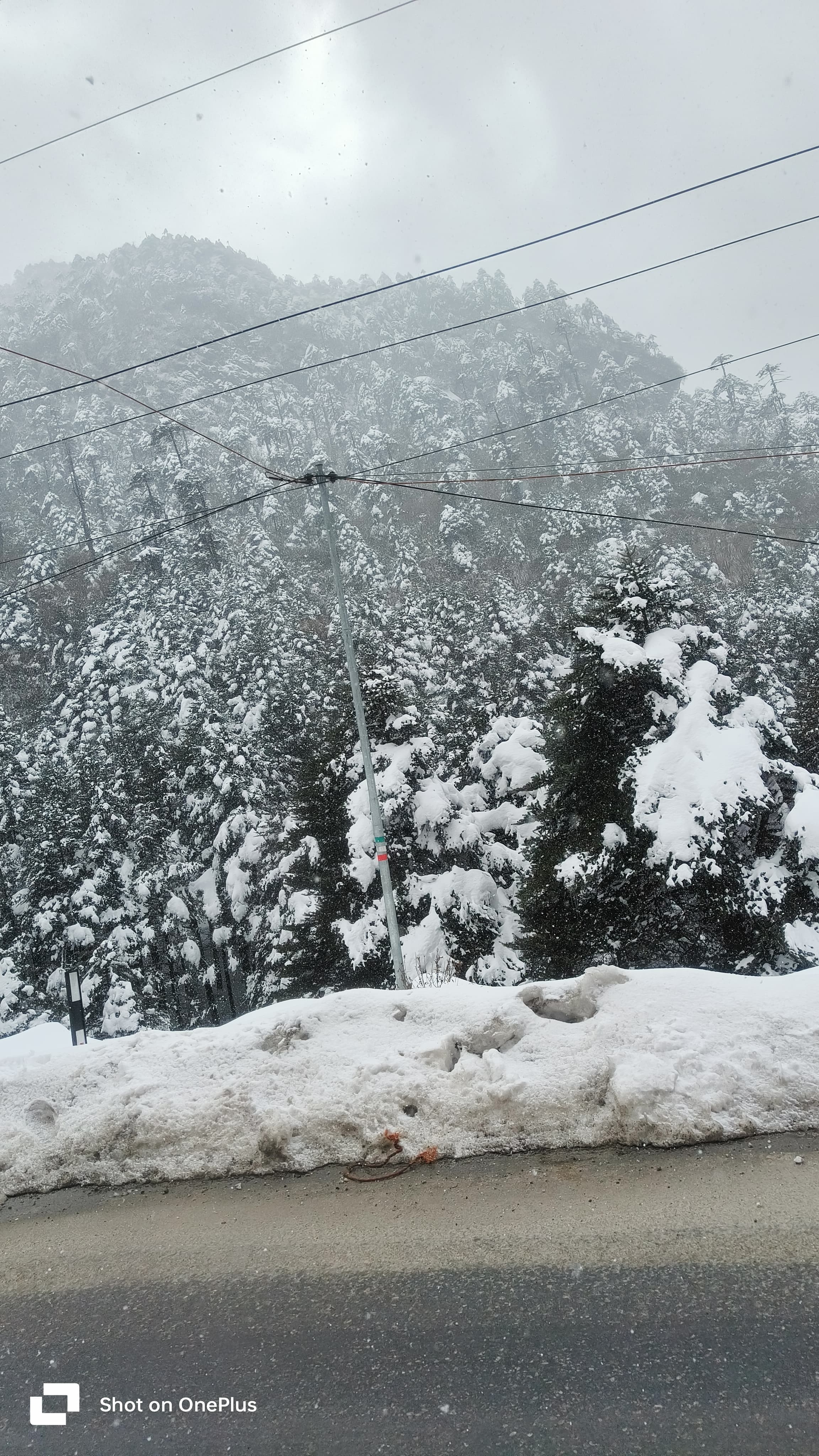
Discovering the Gateways to Tawang – Bhalukpong, Bomdila & Dirang
Before reaching the snow-covered landscapes of Tawang, every journey through Arunachal Pradesh unfolds gradually. The route from Bhalukpong to Bomdila and Dirang is not merely a transit—it is an essential part of the experience.
As you travel deeper into the Eastern Himalayas, the scenery transforms from tropical forests to pine-covered mountains, ancient monasteries, apple orchards, and peaceful valleys. Each destination has its own history, culture, and unique charm, making them worthy stops rather than overnight halts.
Bhalukpong – The Gateway to Arunachal Pradesh
Nestled on the banks of the Kameng River, Bhalukpong serves as the official gateway to Arunachal Pradesh from Assam. Located at an altitude of around 213 metres, it is where travellers complete permit formalities before entering the Himalayan state.
Surrounded by lush forests and flowing rivers, Bhalukpong offers the first glimpse of Arunachal's natural beauty.
History of Bhalukpong: According to local legend, Bhalukpong derives its name from King Bhaluka, the grandson of the legendary King Bana (Banasura) from Hindu mythology. It is believed that King Bhaluka once ruled this region, and the remains of an ancient fort, popularly known as Bhalukpong Fort, are associated with his reign.
Top Experiences in Bhalukpong:
Kameng River: The emerald-green Kameng River is perfect for riverside walks, photography, and adventure activities like river rafting during the season.
Bhalukpong Fort: Although only ruins remain today, the fort offers a fascinating glimpse into the region's legendary past.
Pakhui (Pakke) Tiger Reserve: Located nearby, this biodiversity hotspot is home to elephants, tigers, hornbills, and hundreds of bird species, making it a paradise for wildlife enthusiasts.
Tipi Orchid Research Centre: One of Asia's largest orchid centres, Tipi houses hundreds of native orchid species and beautifully showcases Arunachal Pradesh's extraordinary floral diversity.
Bomdila – The Cultural Heart of West Kameng
Perched at approximately 2,500 metres (8,200 feet), Bomdila is one of Arunachal Pradesh's most charming hill towns. Surrounded by snow-capped Himalayan peaks, dense forests, and colourful monasteries, it offers a perfect blend of spirituality, history, and breathtaking landscapes.
For many travellers, Bomdila serves as the ideal acclimatization stop before continuing toward higher altitudes like Sela Pass and Tawang.
A Brief History of Bomdila: Bomdila has long been an important cultural centre for the Monpa people, whose traditions are deeply influenced by Tibetan Buddhism. Historically, the region lay along ancient Himalayan trade routes that connected Tibet with the plains of Assam. During the 1962 Sino-Indian War, Bomdila was also the site of significant military action.
Bomdila Monastery: Founded in 1965, Bomdila Monastery is one of the town's most peaceful attractions. Inspired by the famous Tsona Gontse Monastery in Tibet, it houses beautiful prayer halls, colourful murals, Buddhist scriptures, and a serene atmosphere where visitors can witness monks performing daily rituals.
Apple Orchards & Local Markets: Bomdila is known for its apple orchards, local handicrafts, handwoven carpets, and traditional woollen products. Walking through the local market offers an excellent opportunity to interact with local communities and purchase authentic Himalayan souvenirs.
Top Experiences: Visit Bomdila Monastery, explore local markets, enjoy panoramic Himalayan viewpoints, taste authentic Monpa cuisine, shop for handmade crafts and woollens, experience peaceful mountain sunsets.
Dirang – Where Nature Meets Culture
Located at an altitude of around 1,500 metres, Dirang is one of the most picturesque towns in Arunachal Pradesh.
Unlike larger tourist destinations, Dirang is known for its peaceful atmosphere, fertile valleys, traditional villages, hot water springs, and scenic rivers.
Many experienced travellers consider Dirang one of the most beautiful destinations in the entire state.
Historical Significance: For centuries, Dirang served as an important settlement for the Monpa community and a resting point along ancient Himalayan trade routes.
Dirang Dzong (Dirang Fort): One of the town's most remarkable landmarks is the historic Dirang Dzong, a centuries-old fortified village built using stone and timber. The fort once protected local communities from invasions and now stands as a living example of traditional Monpa architecture.
Hot Water Springs: Dirang's natural hot springs are believed by many locals to possess therapeutic properties. Surrounded by mountains, they provide a relaxing experience after long hours of mountain travel.
Sangti Valley: Just a short drive from Dirang, Sangti Valley is famous for its breathtaking scenery, traditional villages, and seasonal migration of the endangered Black-necked Crane.
National Research Centre on Yak: Located near Dirang, this unique research centre focuses on yak breeding and conservation. Visitors can learn about the importance of yaks in the Himalayan ecosystem and the livelihoods of mountain communities.
Top Experiences in Dirang: Explore the historic Dirang Dzong, relax at the natural hot water springs, visit Sangti Valley, experience local Monpa culture, visit yak farms, enjoy riverside cafés, watch sunrise over the Himalayan valleys, stay in boutique homestays surrounded by mountains.
Why These Three Destinations Matter
Many visitors see Bhalukpong, Bomdila, and Dirang simply as stopovers on the way to Tawang.
In reality, they are destinations that reveal the gradual transformation of Arunachal Pradesh—from the lush foothills bordering Assam to the spiritual mountain landscapes of the Eastern Himalayas.
Taking time to explore these towns allows travellers to experience ancient history, vibrant Monpa culture, peaceful monasteries, rich biodiversity, and breathtaking valleys long before reaching Tawang.
For those seeking a deeper and more meaningful journey through Arunachal Pradesh, these gateways are not just places to pass through—they are an essential part of the adventure.
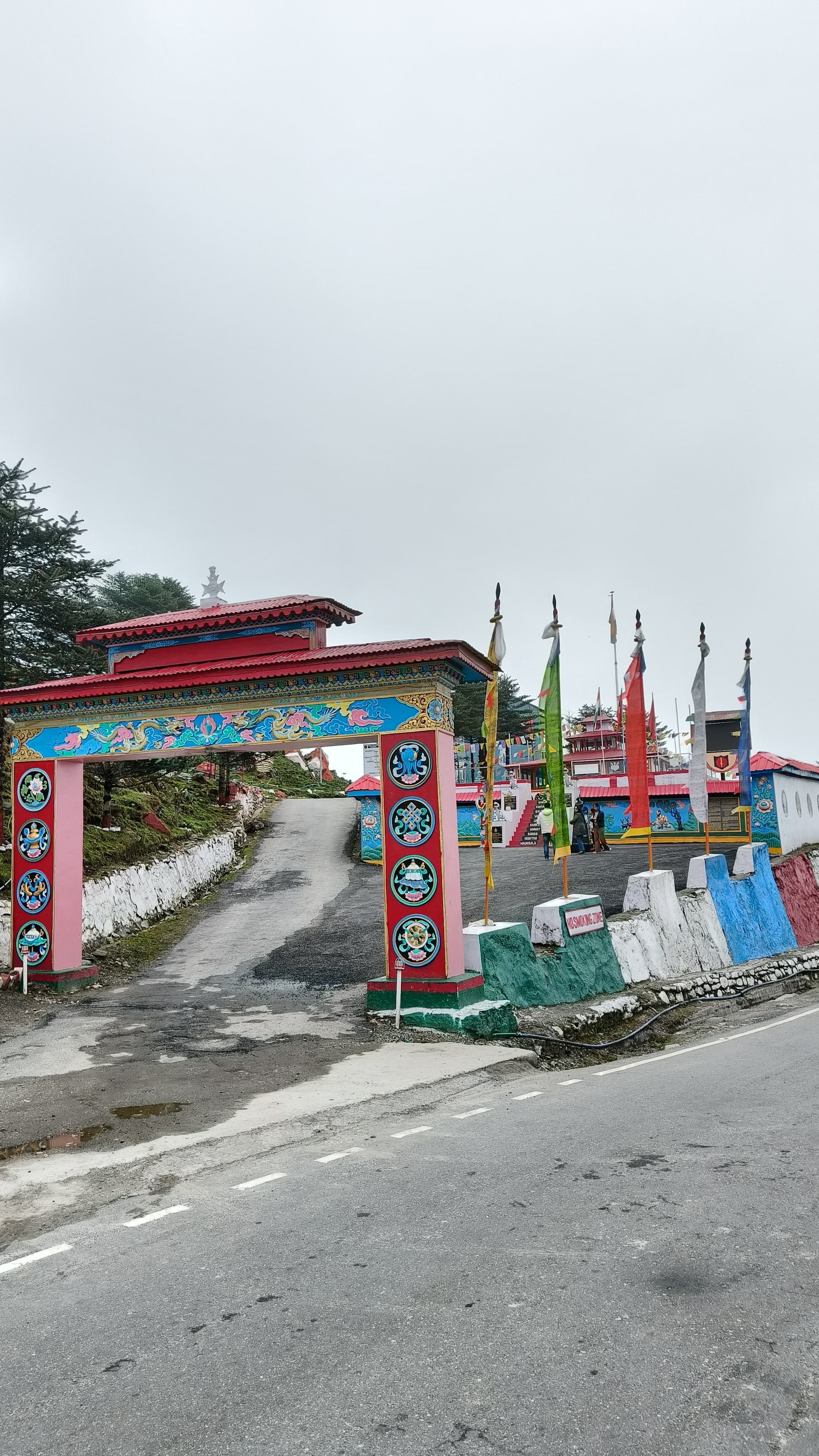
Suggested 8-Day Arunachal Pradesh Itinerary
Day 1: Guwahati → Bhalukpong Begin your journey through the scenic foothills of Arunachal Pradesh. Visit the Kameng River and Tipi Orchid Research Centre before an overnight stay in Bhalukpong.
Day 2: Bhalukpong → Bomdila → Dirang Explore Bomdila Monastery, enjoy panoramic Himalayan views, and continue to the charming mountain town of Dirang.
Day 3: Dirang → Sangti Valley → Mandala Top → Shergaon Discover the tranquil beauty of Sangti Valley, visit the iconic 108 Stupas at Mandala Top, and experience authentic Monpa culture in Shergaon.
Day 4: Shergaon → Thembang Heritage Village → Sela Pass → Tawang Explore the UNESCO Tentative Heritage Village of Thembang before crossing the breathtaking Sela Pass and arriving in Tawang.
Day 5: Tawang Local Sightseeing Visit Tawang Monastery, the Giant Buddha Statue, Tawang War Memorial, and local markets while exploring the region's rich Buddhist heritage.
Day 6: Bum La Pass → Madhuri Lake → PTSO Lake Experience the spectacular India–China border at Bum La Pass and admire the stunning alpine beauty of Madhuri Lake and PTSO Lake.
Day 7: Tawang → Mago Village (Optional) → Dirang Travel through the remote Himalayan landscapes of Mago Village before returning to Dirang.
Day 8: Dirang → Guwahati Enjoy a scenic drive back to Guwahati, bringing your unforgettable Arunachal Pradesh journey to a close.
Book our ready-to-go Tawang 7-Day Package or Tawang & Kaziranga 9-Day Package for a hassle-free journey with all permits handled.
Estimated Travel Cost (7 Nights / 8 Days)
The total cost of an Arunachal Pradesh tour depends on your travel style, accommodation preference, group size, and travel season. Below is an estimated price guide for planning your journey.
Budget: ₹18,000 – ₹25,000 per person (Solo travellers & backpackers) Comfort: ₹26,000 – ₹40,000 per person (Couples, families & small groups) Premium: ₹41,000 – ₹65,000+ per person (Honeymooners, private travellers & luxury seekers)
Note: Prices are indicative and may vary depending on hotel category, vehicle type, group size, season, and itinerary customization.
What's Included:
- Comfortable hotel or boutique homestay accommodation - Private vehicle for the entire trip - Experienced driver with fuel, tolls & parking charges - Daily breakfast - Sightseeing as per the itinerary - Inner Line Permit (ILP) - Bum La Pass Permit - Driver allowance - Travel assistance throughout the journey - Customized itinerary planning
What's Not Included:
- Airfare or train tickets - Lunch & Dinner - Personal expenses - Entry fees to monuments or attractions (if applicable) - Camera or drone charges (where applicable) - Adventure activities - Travel insurance - Tips & gratuities - Medical expenses - Any expenses arising due to landslides, road closures, weather conditions, flight/train delays, or other unforeseen circumstances - Anything not specifically mentioned under "What's Included"
Good to Know:
- Indian citizens require an Inner Line Permit (ILP) to enter Arunachal Pradesh, which is included in our tour. - Bum La Pass requires an additional special permit, also included in the package (subject to approval by the Indian Army and weather conditions). - Hotel category, vehicle type, travel season, and group size may affect the final tour price. - Customized itineraries can be designed to match your travel style, duration, and budget for a more personalized experience.
Contact us for a customised quote tailored to your group size and travel dates.
Snowfall Guide & Winter Packing Checklist – Arunachal Pradesh
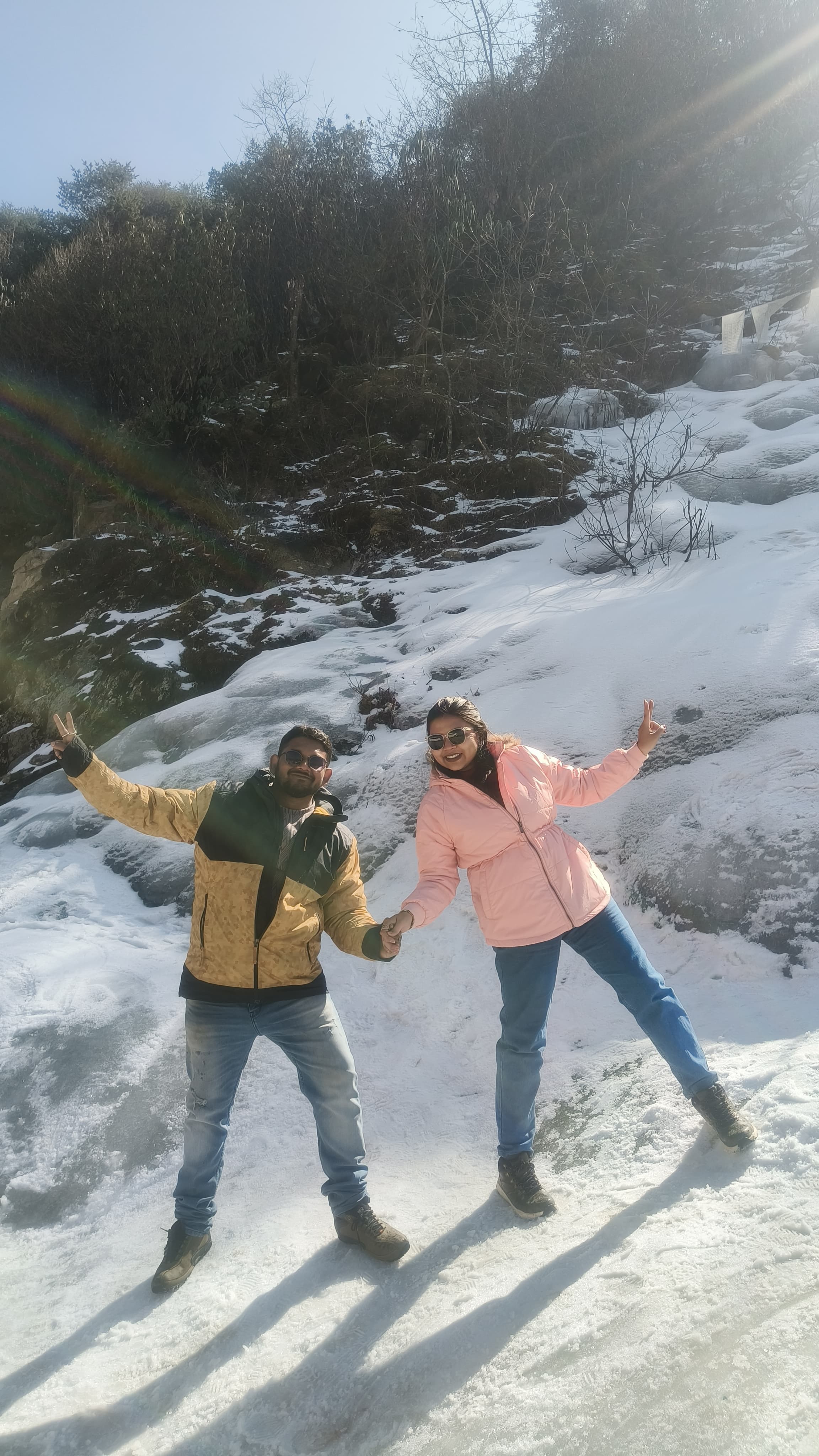
Arunachal Pradesh during winter is not just a destination—it transforms into a white Himalayan masterpiece. Snowfall here is highly seasonal and altitude-dependent, creating dramatic landscapes across Sela Pass, Tawang, Bum La Pass, and surrounding valleys.
Where to Experience Snowfall in Arunachal Pradesh
Sela Pass & Sela Lake (Most Reliable Snow Zone) - Altitude: ~4,170 m - Best Snow Window: December – February - Snow Experience: Heavy snowfall, frozen lake surface, whiteout landscapes
Sela Pass is the most consistent snowfall destination in Arunachal Pradesh. During peak winter, the entire region turns into a snow-covered Himalayan corridor, often resembling a frozen wilderness.
Tawang (Winter Wonderland Town) - Altitude: ~3,048 m - Best Snow Window: Late December – February - Snow Experience: Light to moderate snowfall in town, heavy snow in outskirts
Tawang becomes a living winter postcard with snow-covered monasteries, rooftops, and pine forests, creating one of the most scenic winter towns in India.
Bum La Pass (Extreme Snow & Border Zone) - Altitude: ~4,600 m+ - Best Snow Window: December – March (weather dependent) - Snow Experience: Extreme cold, snowfields, frozen winds, high-altitude silence
Bum La offers a raw Himalayan experience near the Indo-China border. Snow conditions here are harsh, unpredictable, and visually spectacular.
Madhuri Lake (Sangetsar Tso) - Altitude: ~3,700 m - Best Snow Window: December – February - Snow Experience: Frozen shoreline, snow-draped trees, surreal reflections
This lake becomes one of the most photogenic frozen landscapes in Northeast India, with partially frozen waters and submerged tree trunks rising dramatically from the surface.
Dirang & Mandala Top (Light Snow Zone) - Altitude: 1,500 m – 3,000 m - Best Snow Window: January – February (occasional snowfall) - Snow Experience: Light snowfall, mist-covered hills, alpine cold
Best Time for Snowfall Experience
- Peak Snow Season: December – February - High Probability Month: January (most reliable snow coverage) - Early Snowfall: Late November (weather-dependent) - Residual Snow: Early March in higher zones
For guaranteed snow experience, mid-January to early February is ideal.
Important Winter Travel Advisory
- Sela Pass may close temporarily during heavy snowfall - Bum La Pass is strictly weather & permit dependent - Road conditions can change rapidly in high-altitude zones - Buffer days are strongly recommended in itinerary planning - Mobile network becomes limited or unavailable in snow regions
Premium Winter Packing Checklist – Arunachal Pradesh
Thermal & Clothing System (Layered Approach): - Premium thermal innerwear (top & bottom) - Heavy down winter jacket (windproof & insulated) - Woollen sweaters / fleece layers - Waterproof outer shell jacket - Woollen gloves (preferably touchscreen compatible) - Thermal socks + extra woollen socks - Woollen cap / beanie covering ears - Scarf / neck warmer / muffler - Waterproof trekking shoes with good grip
Layering is critical for adapting between valleys and snow zones.
Travel & Documentation Essentials: - Valid government ID (Aadhar / Passport) - Inner Line Permit (ILP) - Bum La Pass Permit (if applicable) - Printed copies of all permits - Power bank (cold reduces battery performance) - Universal charging adapter - Small daypack for excursions - UV-protection sunglasses (essential for snow glare)
Health & Altitude Safety Kit: - Basic cold & flu medication - Altitude sickness tablets (doctor-advised) - ORS packets / hydration salts - Pain relief balm / spray - Lip balm (prevents cracking in dry cold air) - High-moisturizing cream for skin protection
Photography & Travel Enhancements: - DSLR / mirrorless camera or high-quality smartphone - Extra batteries (cold weather drains power quickly) - Tripod for night & landscape shots - Lens cleaning cloth (snow + mist conditions) - Binoculars for mountain and wildlife viewing
Expert Travel Insight: Arunachal's winter is not just about snowfall—it is about experiencing silence, scale, and raw Himalayan beauty. Proper clothing, flexibility in itinerary, and altitude awareness are the keys to enjoying this journey safely and comfortably.
Final Note: From frozen lakes at Sela Pass to snow-draped monasteries in Tawang and the extreme silence of Bum La Pass, winter in Arunachal Pradesh offers a once-in-a-lifetime Himalayan experience that blends nature, spirituality, and adventure.
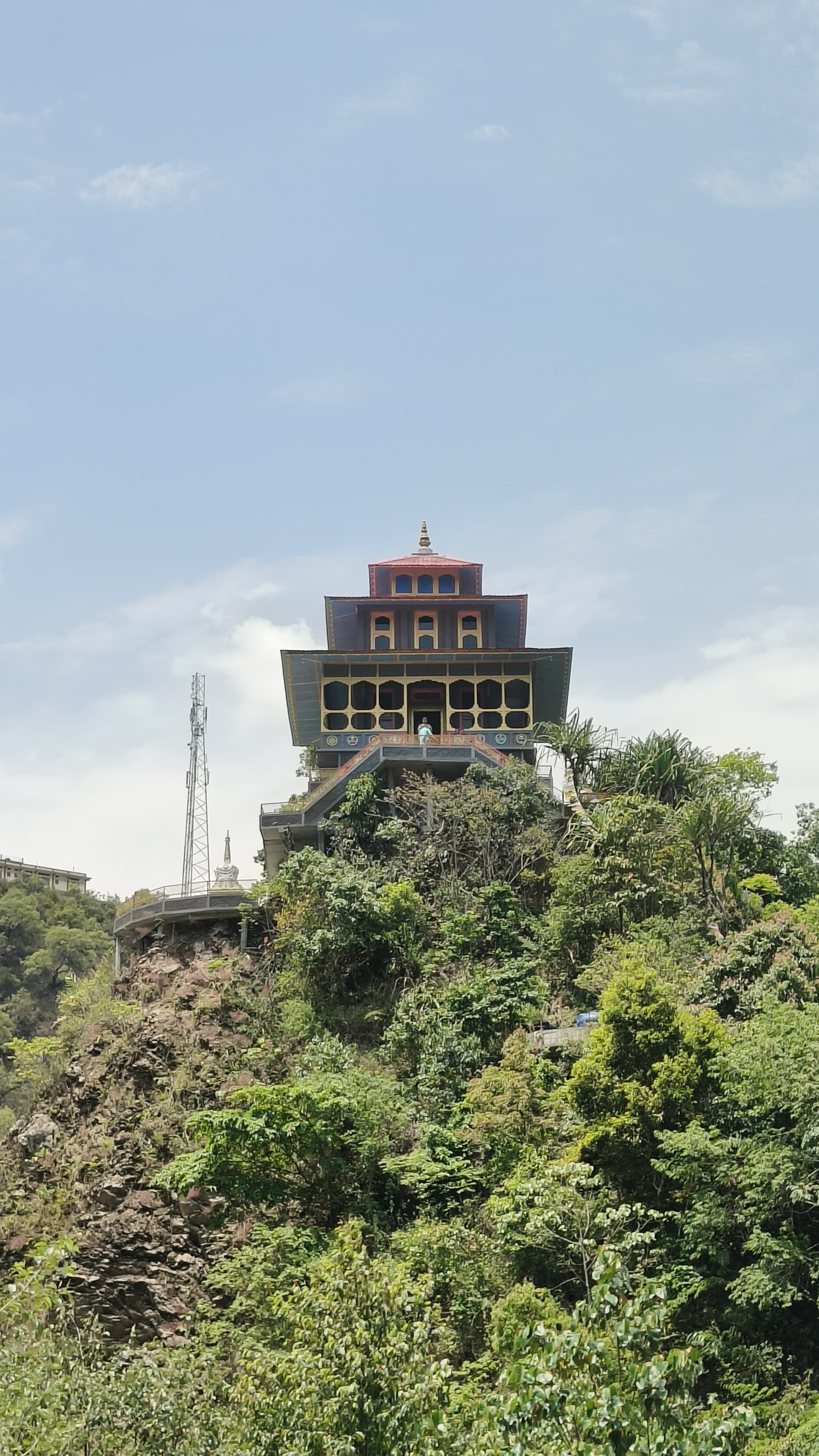
Culinary Experience of Arunachal Pradesh – A Taste of the Eastern Himalayas
A journey through Arunachal Pradesh is not only about mountains, snow, and monasteries—it is also a deeply immersive culinary and cultural experience. The food traditions of the Monpa and other Himalayan communities are shaped by centuries of life in extreme mountain conditions, where nutrition, warmth, and simplicity matter more than luxury.
Here, food is not just about taste—it reflects survival, culture, and identity in high-altitude living.
Signature Traditional Dishes of Arunachal Pradesh
Thukpa – The Himalayan Comfort Bowl: Thukpa is a warm noodle soup prepared with vegetables or meat. It is one of the most popular dishes across the Himalayan region. In cold mountain evenings, Thukpa becomes more than food—it is comfort, warmth, and energy in a bowl.
Momos – The Himalayan Favourite: Momos are steamed dumplings filled with vegetables, chicken, or pork. They are widely consumed across Arunachal Pradesh. From small roadside stalls to homestays, momos are an essential part of daily food culture.
Zan – The Traditional Monpa Staple: Zan is a traditional dish made from barley or millet flour. It is often mixed with butter tea or vegetables. This is a primary source of energy in Monpa households, especially in colder regions.
Butter Tea (Po Cha) – The Energy Drink of the Himalayas: Butter tea is made using tea leaves, salt, and yak butter. It is rich, salty, and highly nutritious. At high altitudes, it helps maintain body heat, energy, and hydration. It is an essential part of Himalayan life.
Yak Cheese – High-Altitude Nutrition: Yak cheese is produced locally from yak milk and is rich in protein and fats. It plays an important role in sustaining energy during long winters in mountain regions.
Herbal Soups – Natural Mountain Medicine: Prepared using wild herbs found in Himalayan forests, these soups are traditionally used for health and immunity. Locals believe these herbal preparations help with colds, fatigue, and altitude-related discomfort.
Monpa Food Culture – A Way of Life
The Monpa community follows a food culture deeply influenced by Tibetan Buddhist traditions and Himalayan geography.
- Minimal oil usage with natural ingredients - High reliance on barley, millet, and dairy products - Fermented foods for preservation in cold climates - Warm and nourishing meals preferred over raw food - Food prepared with simplicity and mindfulness
Where to Experience Authentic Local Cuisine
For an authentic culinary experience in Arunachal Pradesh, the best places include:
- Dirang & Sangti Valley Homestays – Home-cooked traditional meals - Bomdila Local Eateries – Simple Monpa-style dishes - Tawang Town Restaurants – Blend of local and Tibetan cuisine - Shergaon Village Homes – Authentic rural Himalayan food experience - Remote routes like Mago – Pure and untouched traditional food culture
The most authentic experience is always in a homestay, where food is prepared with local ingredients and traditional methods.
Premium Travel Insight: Unlike commercial destinations, Arunachal Pradesh does not offer fine-dining luxury—it offers something deeper: a genuine Himalayan lifestyle expressed through food, tradition, and simplicity. Every dish tells a story of resilience, climate adaptation, and cultural heritage.
Final Thought: The culinary journey of Arunachal Pradesh is best described as simple, authentic, and meaningful. It connects travellers not just to taste, but to the lifestyle of the mountains—where food is survival, tradition, and identity all at once.
Why Choose NEexplore NOW?
Planning a journey through Northeast India is about more than booking hotels and transportation—it's about creating experiences that reflect your travel style. At NEexplore NOW, we focus on thoughtfully curated journeys that combine comfort, flexibility, and authentic local experiences.
✔ Customized Itineraries Every journey is tailored to your interests, travel pace, and budget—no one-size-fits-all packages.
✔ Local Expertise With in-depth knowledge of Northeast India, we take you beyond the usual tourist attractions to discover hidden gems and authentic experiences.
✔ Handpicked Stays From comfortable hotels to charming boutique homestays, every accommodation is carefully selected for quality and comfort.
✔ Private & Group Tours Whether you're travelling as a couple, family, group of friends, or corporate team, we create journeys that suit your needs.
✔ Seamless Travel Planning From permits and transportation to accommodation and sightseeing, we manage every detail so you can travel worry-free.
✔ Trusted Service Our commitment to personalized service, transparent communication, and guest satisfaction ensures every journey is smooth, memorable, and stress-free.
Travel Beyond the Ordinary
At NEexplore NOW, we don't just plan tours—we craft meaningful journeys across Arunachal Pradesh, Meghalaya, Assam, and Northeast India, helping you experience the region through its people, culture, landscapes, and hidden destinations.
Explore our Tawang 7-day package, Arunachal & Kaziranga 13-day adventure, or contact us to design a completely personalised journey beyond Tawang.
Ready to Explore Beyond Tawang?
Discover Arunachal Pradesh beyond the tourist trail with NEexplore NOW. Explore hidden villages, ancient monasteries, Sela Pass, Bum La, Madhuri Lake, and immersive Monpa culture through carefully crafted, founder-led tour packages.
Frequently Asked Questions
What are the best hidden gems beyond Tawang?
Shergaon, Sangti Valley, Thembang Heritage Village, Mandala Top, Mago Village, Dirang, and Bomdila are among the best offbeat destinations in Arunachal Pradesh.
What is the best time to visit Arunachal Pradesh?
March to May and September to November offer pleasant weather and clear mountain views, while December to February is ideal for experiencing snowfall at Sela Pass, Tawang, and Bum La Pass.
Is an Inner Line Permit (ILP) required?
Yes. Indian citizens need an Inner Line Permit (ILP) to enter Arunachal Pradesh. Foreign nationals require a Protected Area Permit (PAP).
How many days are enough for Arunachal Pradesh?
A 7–8 day itinerary is ideal to truly experience the hidden destinations, Monpa culture, Himalayan landscapes, and iconic attractions like Tawang and Sela Pass without rushing.
What is the best route from Guwahati to Tawang?
The standard route is Guwahati → Bhalukpong → Bomdila → Dirang → Sela Pass → Tawang. This two-day drive is the most scenic and commonly used route for travellers.
Can I visit Bum La Pass?
Yes, Indian citizens can visit Bum La Pass with a special permit issued in Tawang and endorsed by the Indian Army. Access is subject to weather conditions and security clearance. Foreign nationals are generally not permitted.
What vehicle is required for the Tawang route?
A 4x4 or high-clearance SUV is mandatory beyond Bhalukpong due to mountain terrain and snow conditions near Sela Pass. Standard sedan cars are not permitted on the mountain roads.
Is Shergaon worth visiting?
Absolutely. Shergaon is one of Arunachal Pradesh's most charming and authentic villages, offering traditional Monpa culture, forest walks, apple orchards, and a peaceful mountain atmosphere away from tourist crowds.
What is special about Thembang Heritage Village?
Thembang is a 1,000-year-old fortified Monpa village on UNESCO's Tentative List of World Heritage Sites. Its ancient stone architecture, traditional community spaces, and living heritage make it one of the most historically significant destinations in Arunachal Pradesh.
Are there homestays available in offbeat Arunachal Pradesh?
Yes. Family-run homestays are available in Shergaon, Sangti Valley, Dirang, Bomdila, and many smaller villages. They offer authentic Monpa hospitality, home-cooked meals, and a genuine window into Himalayan life.
What is Sangti Valley famous for?
Sangti Valley is famous for its stunning Himalayan landscapes, crystal-clear rivers, traditional villages, and the seasonal migration of the endangered Black-necked Crane from the Tibetan Plateau.
How much does an Arunachal Pradesh tour cost?
An 8-day Arunachal Pradesh tour typically costs ₹18,000–₹25,000 per person (budget), ₹26,000–₹40,000 (comfort), or ₹41,000–₹65,000+ (premium). Prices vary based on group size, vehicle type, and accommodation category.
Is it safe to travel to Arunachal Pradesh?
Yes. Arunachal Pradesh is generally safe for tourists. Travelling with a reputable local operator, following permit regulations, and planning for mountain road conditions ensures a smooth and enjoyable journey.
What should I pack for a winter trip to Arunachal Pradesh?
For winter travel, pack thermal innerwear, a heavy down jacket, woollen layers, waterproof trekking shoes, gloves, a beanie, UV sunglasses, altitude sickness medication, extra batteries, and all printed permit copies.
Does NEexplore NOW offer customised Arunachal Pradesh tours?
Yes. NEexplore NOW offers fully customised, founder-led Arunachal Pradesh tours covering Tawang, Shergaon, Sangti Valley, Thembang, Mago, Sela Pass, Bum La, and other offbeat destinations, with all permits, accommodation, and transport arranged.
"Ready to explore Arunachal Pradesh beyond Tawang? NEexplore NOW specializes in founder-led, offbeat journeys across the Eastern Himalayas, taking travellers to hidden villages, ancient monasteries, scenic valleys, and landscapes that most visitors never discover. Contact us to design your personalized Arunachal adventure."