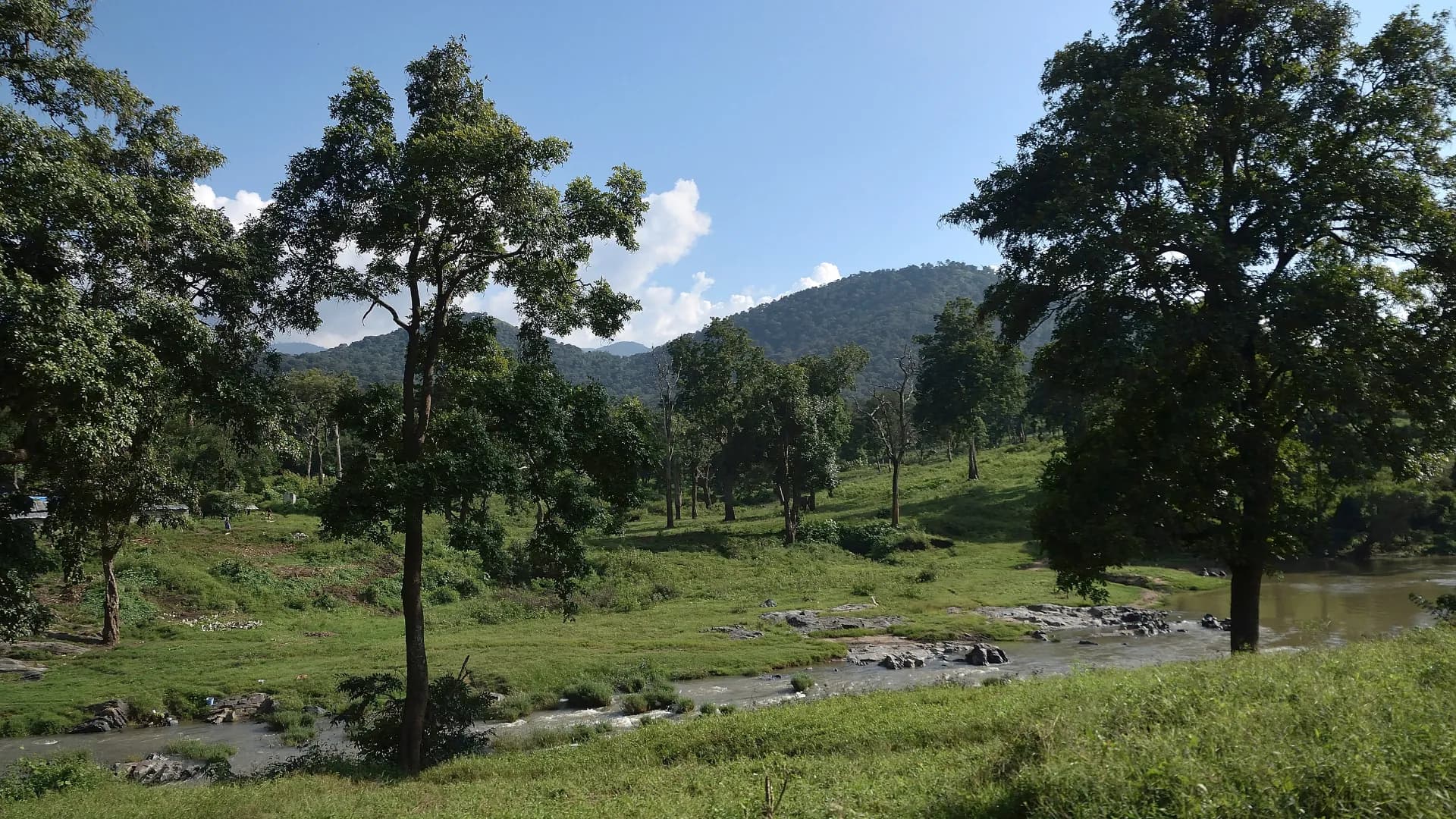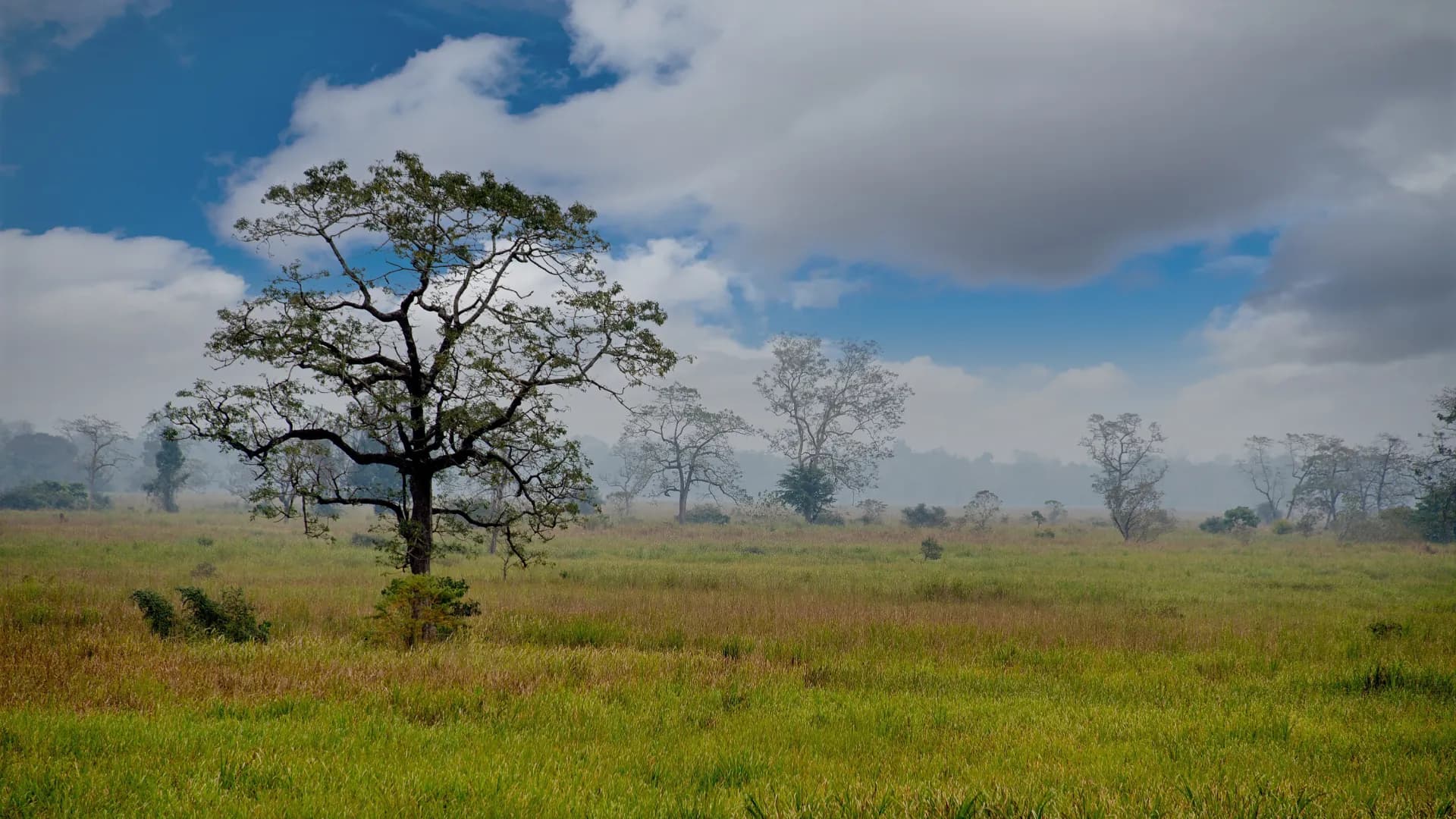
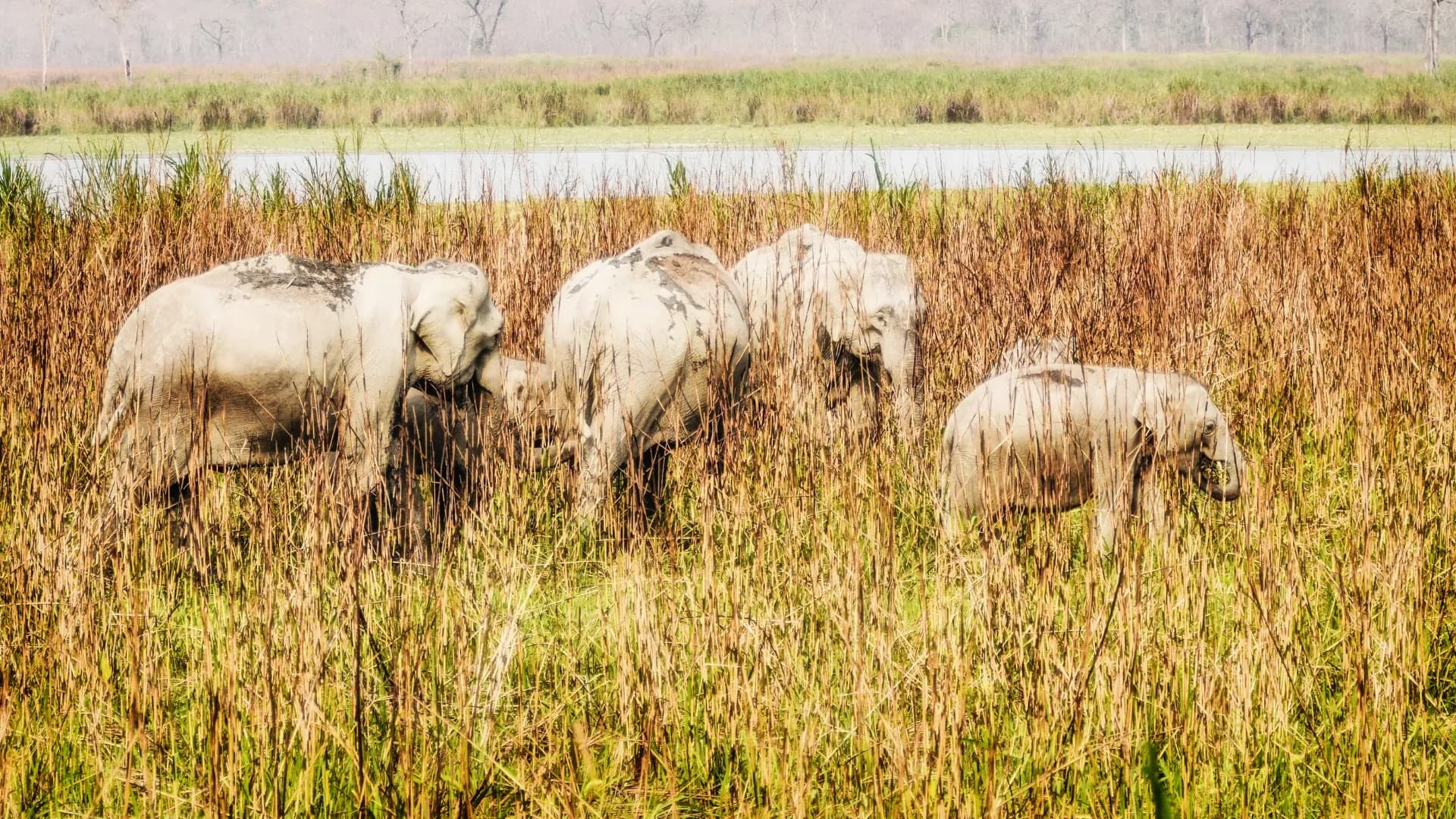
Sunrise in the grasslands of Kaziranga from the back of a giant is a bucket-list experience for wildlife enthusiasts. Conducted under strict supervision of the forest department, this safari takes you deep into the tall elephant grass and marshy wetlands where vehicles cannot go. In this comprehensive guide, we cover timings, zones, ticket pricing, and conservation safety codes for your elephant ride in 2026.
The Close-Range Wildlife Encounter Advantage
Riding on the back of a trained elephant provides an unparalleled advantage for wildlife viewing. Because wild one-horned rhinoceroses and water buffaloes are accustomed to the presence of domestic elephants, they do not feel threatened. This allows the safari to approach as close as 10 to 15 feet from these prehistoric beasts. The silent walk of the elephant prevents the startle reflex common with loud diesel jeeps, giving photographers stable, close-up angles of rhinos grazing with calves, swamp deer bounding through the dew-soaked grass, and wild water buffaloes wallowing in the early morning swamps. It is widely considered the best guaranteed way to experience short-range encounters with the park's majestic wildlife.
Choosing Your Safari Zone: Central vs. Western
Elephant safaris in Kaziranga National Park are conducted primarily in two main ranges: the Central Range (Kohora) and the Western Range (Bagori). Each range offers a distinct landscape and sightseeing characteristics:
• Central Range (Kohora): Known for its mix of flat grasslands, wetlands, and water bodies. It is highly popular and offers excellent opportunities to spot swamp deer, wild buffaloes, and rhinos grazing near the water edges. It is located close to the main town of Kohora. • Western Range (Bagori): Famous for having the highest density of one-horned rhinoceroses. The landscape features tall grass and marshy fields. This zone is highly recommended if your primary objective is seeing multiple rhinos at extremely close range. It is generally the preferred choice for first-time visitors.
Understanding Timings: Morning Mist and Golden Hour
Elephant safaris are strictly early morning activities, conducted in three distinct slots:
• 1st Slot: 5:15 AM – 6:15 AM (The 'Golden Hour'. You ride into the grasslands in complete darkness and watch the sun rise slowly over the misty horizon. Sightings are excellent as animals are highly active, but the morning fog can occasionally limit visibility for photography). • 2nd Slot: 6:15 AM – 7:15 AM (Offers the best balance of clear golden light, active wildlife movement, and reduced mist, making it the favorite slot for professional photographers). • 3rd Slot: 7:15 AM – 8:15 AM (Good for warmer weather, particularly in late winter. Morning mist is completely gone, providing sharp, high-contrast visibility across the open fields).
Ticket Booking Guidelines & Current Price Guide (2026)
Because slots are strictly limited to protect animal welfare, booking in advance is mandatory. Ticket pricing is regulated by the Assam Forest Department and is categorized as follows:
• Indian Nationals: ₹1,500 – ₹2,000 per person (includes forest entry permit, elephant seat charges, and guard allowance). • Foreign Nationals: ₹2,500 – ₹3,000 per person. • Camera Fees: Standard DSLR cameras attract a fee of ₹100 for Indians and ₹500 for foreigners. Video cameras have higher fees.
Tips: Direct bookings open at the forest office counter in Kohora the previous evening. However, during the peak tourist months of December, January, and February, counters sell out within minutes. It is highly recommended to secure your seats 30 to 45 days in advance through a trusted local operator like NEexplore NOW.
Wildlife Diversity: What to Expect in the Grasslands
While the Great Indian One-Horned Rhinoceros is the star of the show, the elephant grasslands are teeming with other species. Visitors frequently spot the Asian Elephant in wild herds, the Wild Water Buffalo (featuring massive, curved horns), the Eastern Swamp Deer (Barasingha), Hog Deer, and Wild Boar. For birdwatchers, the wetlands host a variety of resident and migratory birds. You can spot kingfishers darting into the water, storks standing silently in the shallows, pelicans floating in groups, and eagles keeping watch from the canopy of surrounding semievergreen trees.
Forest Conservation, Ethical Guidelines, and Safety Code
The elephant safari in Kaziranga operates under a strict code of ethics to ensure the safety of both tourists and the animals. The riding elephants are owned either by the forest department or licensed private handlers, and they undergo regular veterinary check-ups. As a visitor, you are required to follow these guidelines:
• Maintain absolute silence during the ride; loud noises can startle both the ride elephant and wild animals. • Flash photography is strictly prohibited, especially in the early morning darkness, as it can blind the animals. • Do not carry plastic, food items, or strong perfumes into the park. • Always listen to your mahout (the elephant driver), who possesses deep knowledge of forest paths and animal behavior. • Wear neutral, earthy colors (olive green, khaki, brown, beige) to blend into the surrounding vegetation.
Frequently Asked Questions
How do I book Kaziranga elephant safari tickets in advance?
Elephant safari tickets at Kaziranga sell out weeks in advance during peak season (November to February). The safest way is to pre-book through a licensed local operator like NEexplore NOW, who secures forest department seats 30 to 45 days ahead. Direct counter bookings at Kohora open the previous evening but frequently sell out within minutes during peak months.
Which is better — elephant safari or jeep safari in Kaziranga?
Both serve different purposes. The elephant safari is unmatched for close-range, silent rhino encounters in the tall grass at dawn, reaching areas no jeep can access. The jeep safari covers more ground, visits multiple zones, and is better for overall wildlife diversity and birdwatching. First-time visitors should ideally do both for a complete Kaziranga experience.
What time does the Kaziranga elephant safari start?
Kaziranga elephant safaris run in three morning slots: 5:15 AM–6:15 AM (golden hour, best wildlife movement), 6:15 AM–7:15 AM (best photography light), and 7:15 AM–8:15 AM (clear visibility, warmer). All slots are strictly early morning. There are no afternoon elephant safaris. Arrive at the range gate at least 20 minutes before your slot.
What is the elephant safari price in Kaziranga in 2026?
In 2026, Kaziranga elephant safari charges approximately ₹1,500–₹2,000 per person for Indian nationals and ₹2,500–₹3,000 for foreign nationals. These fees include the forest entry permit, elephant seat charges, and mahout allowance. Camera fees (₹100 for DSLR) are collected separately at the range gate by forest guards.
Is the Kaziranga elephant safari ethical and safe?
Yes. Kaziranga's elephant safaris are regulated by the Assam Forest Department with mandatory veterinary health checks for the riding elephants. Trained mahouts follow a strict wildlife code — no flash photography, no plastic, silence during the ride. Flash photography is prohibited as it can permanently damage animals' night vision. The experience is considered one of India's most ethically managed wildlife activities.
Can children ride on Kaziranga elephant safaris?
Children above the age of 5 are generally permitted on the Kaziranga elephant safari, provided they are accompanied by an adult. Each elephant carries a maximum of 4 passengers. Very young children (under 3) and infants are discouraged due to the swaying motion of the ride and early morning cold temperatures, which can drop to 8–10°C in peak winter.
"Witness the dawn of the grasslands from the back of a giant. Book your Kaziranga Elephant Safari with NEexplore NOW for a guaranteed, premium, and ethically managed experience."