Visiting Meghalaya in May is an extraordinary experience that places you at the threshold of the monsoon. As the summer heat sweeps across the plains of India, the high plateau of Shillong and Cherrapunji remains cool, misty, and fresh. In this comprehensive guide, we cover the weather, roaring waterfalls, adventure treks, packing checklists, and local homestay tips for your May journey in 2026.
Pre-Monsoon Weather and Rain Patterns in Shillong & Sohra
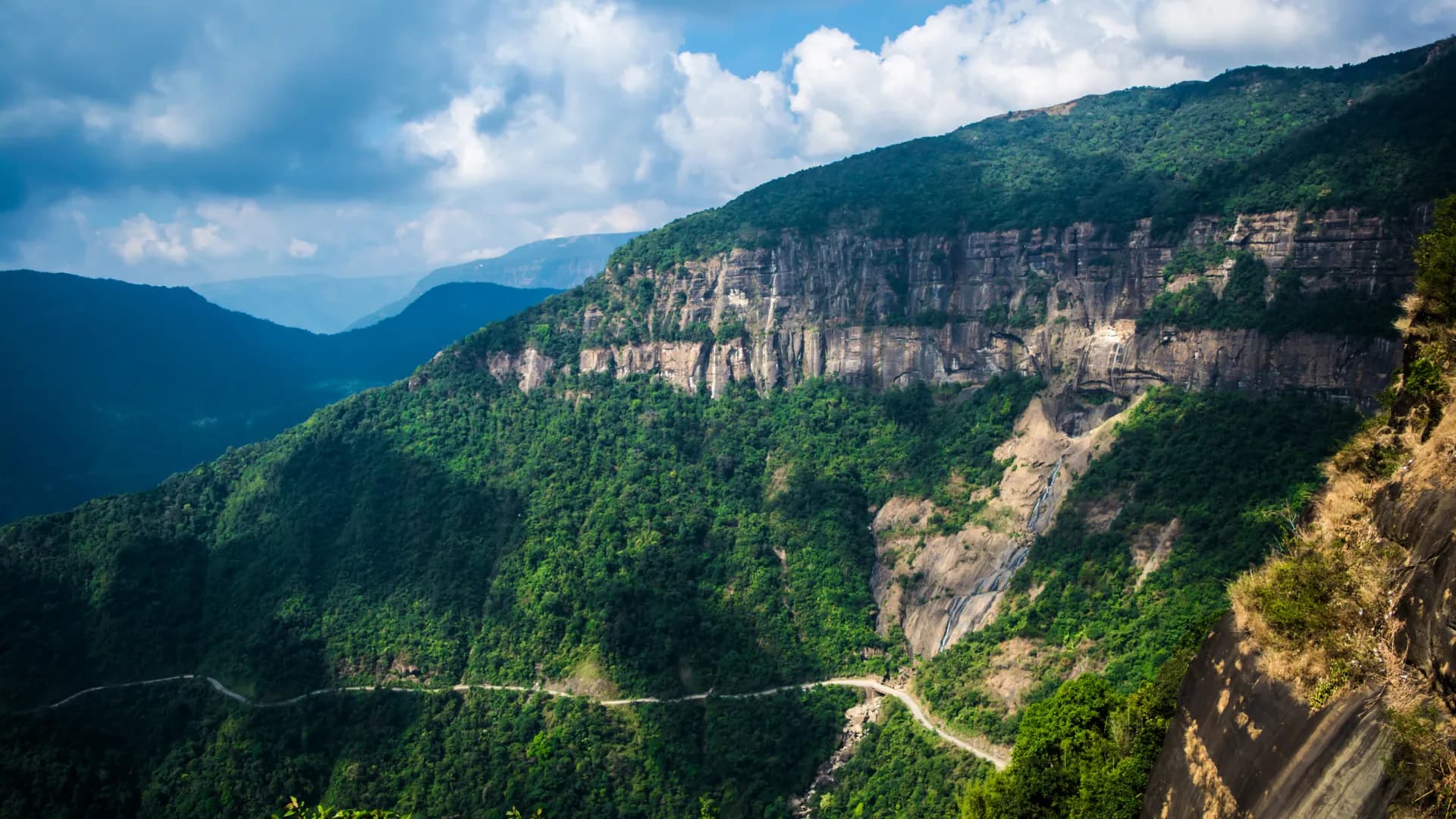
May is the pre-monsoon month in Meghalaya. The temperature in Shillong stays pleasant, ranging from 15°C to 22°C, while Sohra (Cherrapunji) is slightly cooler due to constant cloud cover and wind. Unlike the continuous downpours of the peak monsoon (June-August), May experiences intermittent rainfall. Typically, the mornings are bright and sunny, followed by misty clouds rolling in by early afternoon and brief, heavy showers in the late afternoon or evening. This pattern keeps the landscape fresh and green without causing major travel disruptions or road blockages, making it a perfect month for sightseeing.
The Roaring Waterfalls Circuit in May
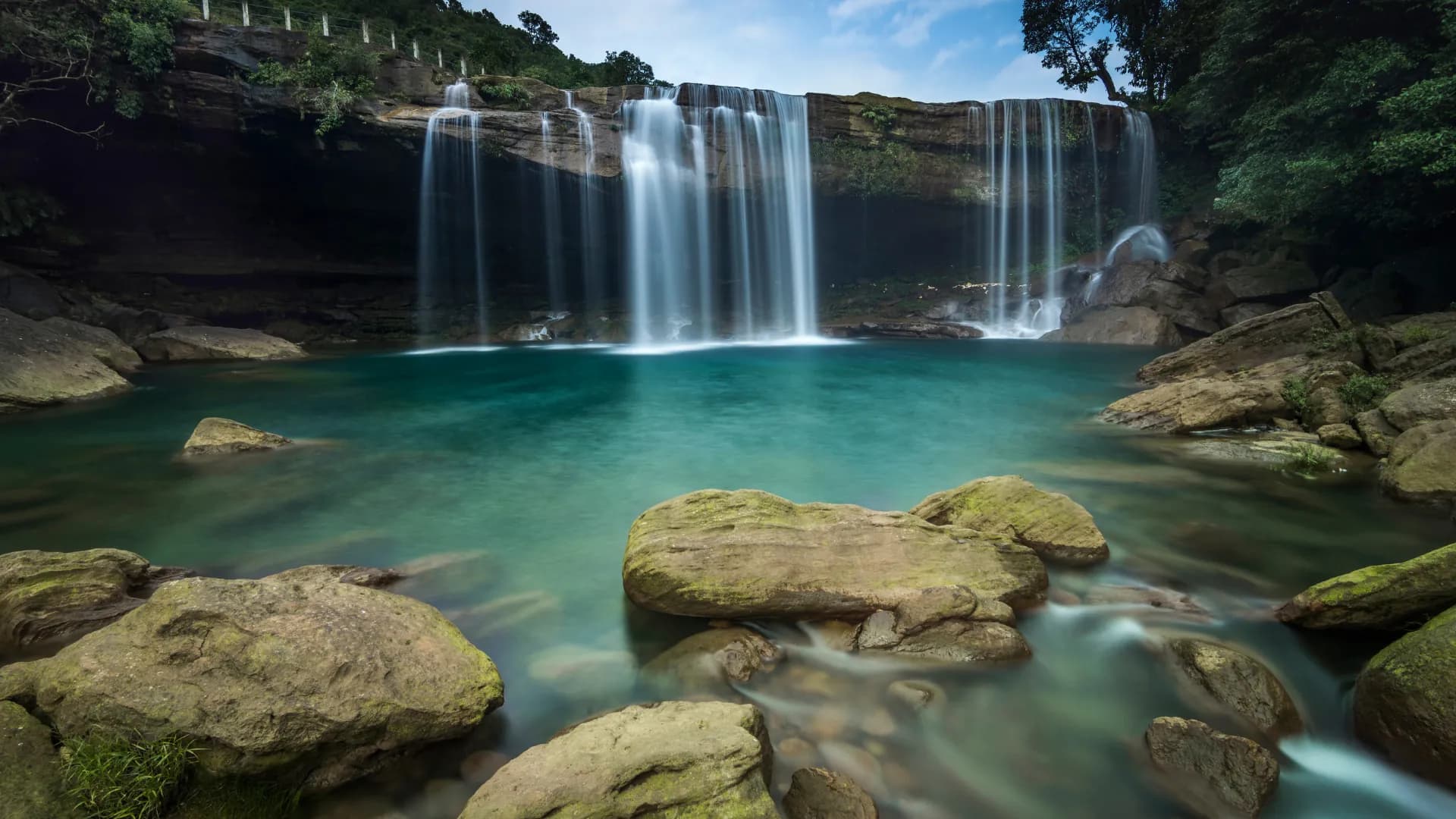
The early rains of May breathe life back into Meghalaya's famous waterfalls, which can shrink to thin streams during the dry winter months. It is the best time to see these cascades in their full glory:
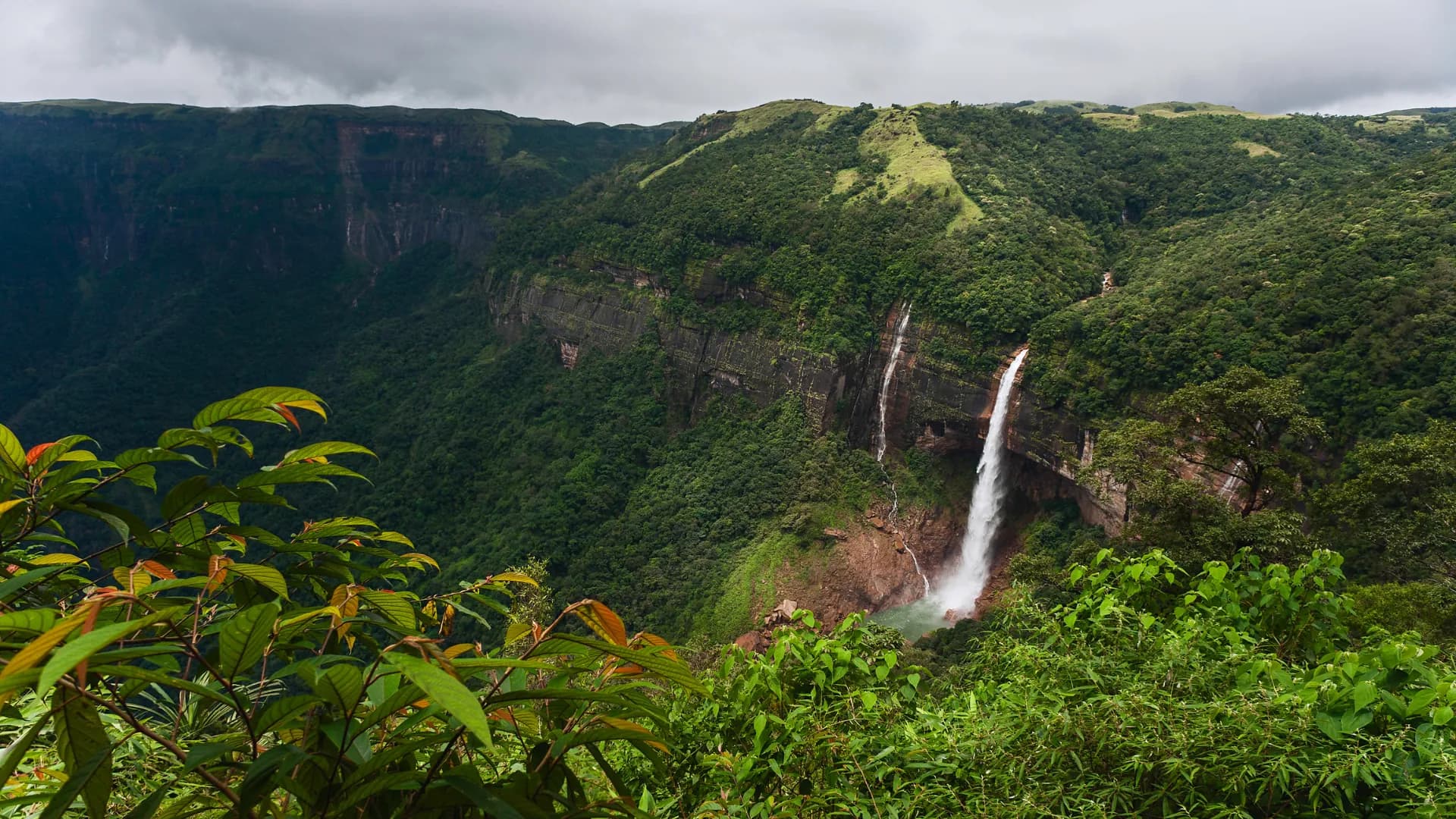
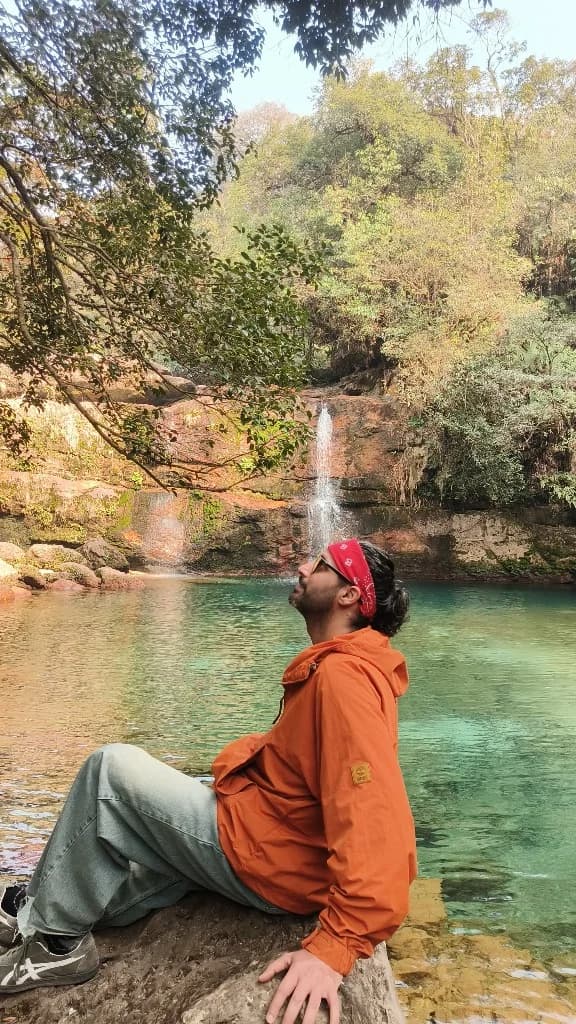
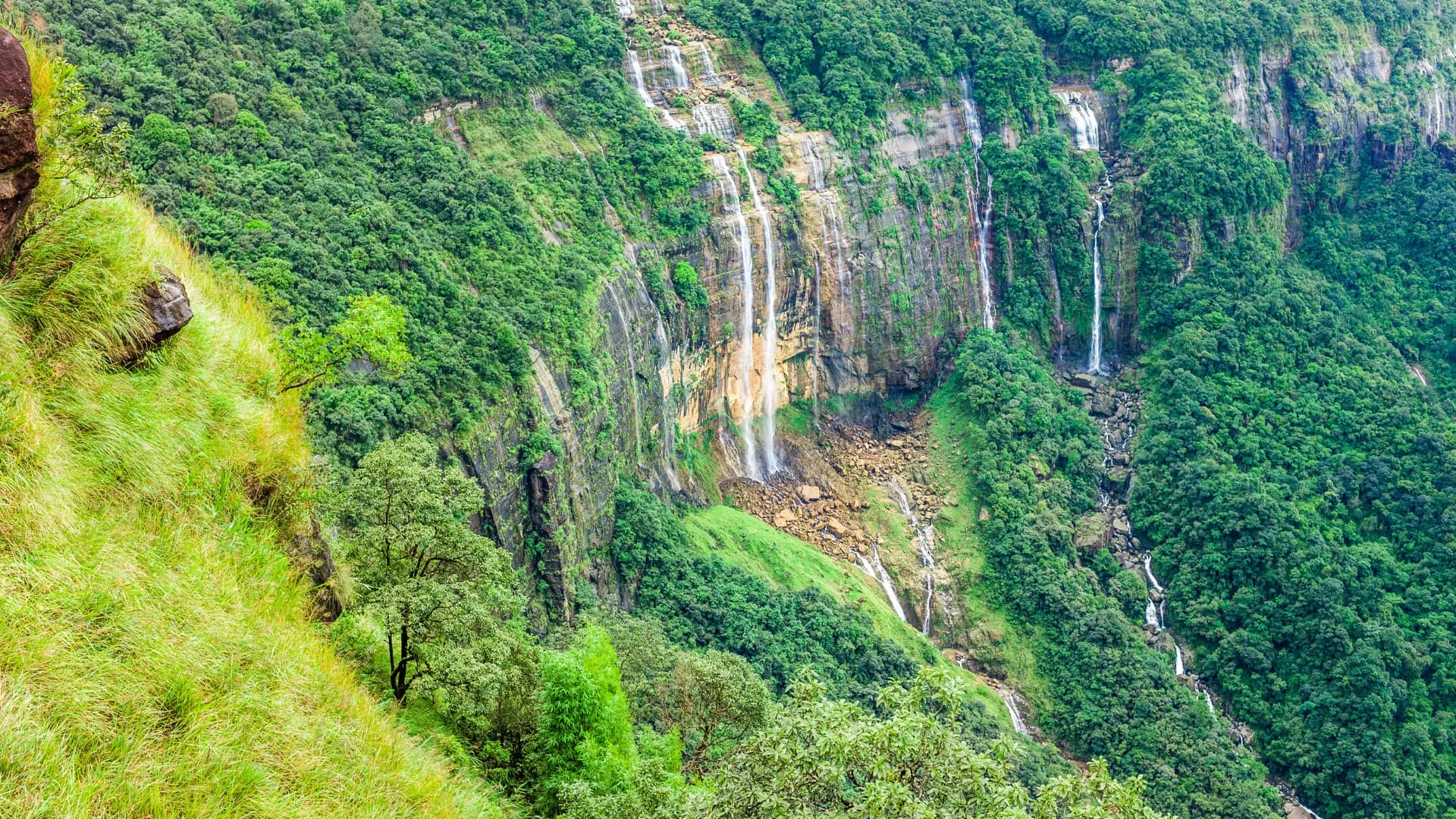
• Wei Sawdong: The famous three-tiered waterfall features turquoise pools. In May, the water volume increases, creating a powerful, misty plunge. • Nohkalikai: India's tallest plunge waterfall. The view from the cliff is spectacular as clouds drift across the gorge, occasionally revealing the deep green pool at the bottom. • Krang Suri: Known for its crystal-clear blue waters. The pool is full and perfect for swimming, surrounded by lush vegetation. • Phe Phe Falls: Located in the Jaintia Hills, this double-tiered waterfall is surrounded by forest and offers a peaceful, offbeat experience.
Offbeat Adventure & Fossil Hunting in Mawlyngbna
For adventure seekers, Mawlyngbna village is an ideal destination in May. Located on a hilltop close to the Bangladesh border, the village is famous for its unique geology. You can hike through dense forests to see ancient animal fossils estimated to be millions of years old, when the region was part of an ocean bed. Other activities include split-rock canyon trekking, swimming in natural freshwater pools, and exploring community-managed conservation forests guided by local village youth.
Hiking Safety, Slippery Steps, and Guide Requirements
Trekking in Meghalaya during the pre-monsoon requires caution and proper preparation:
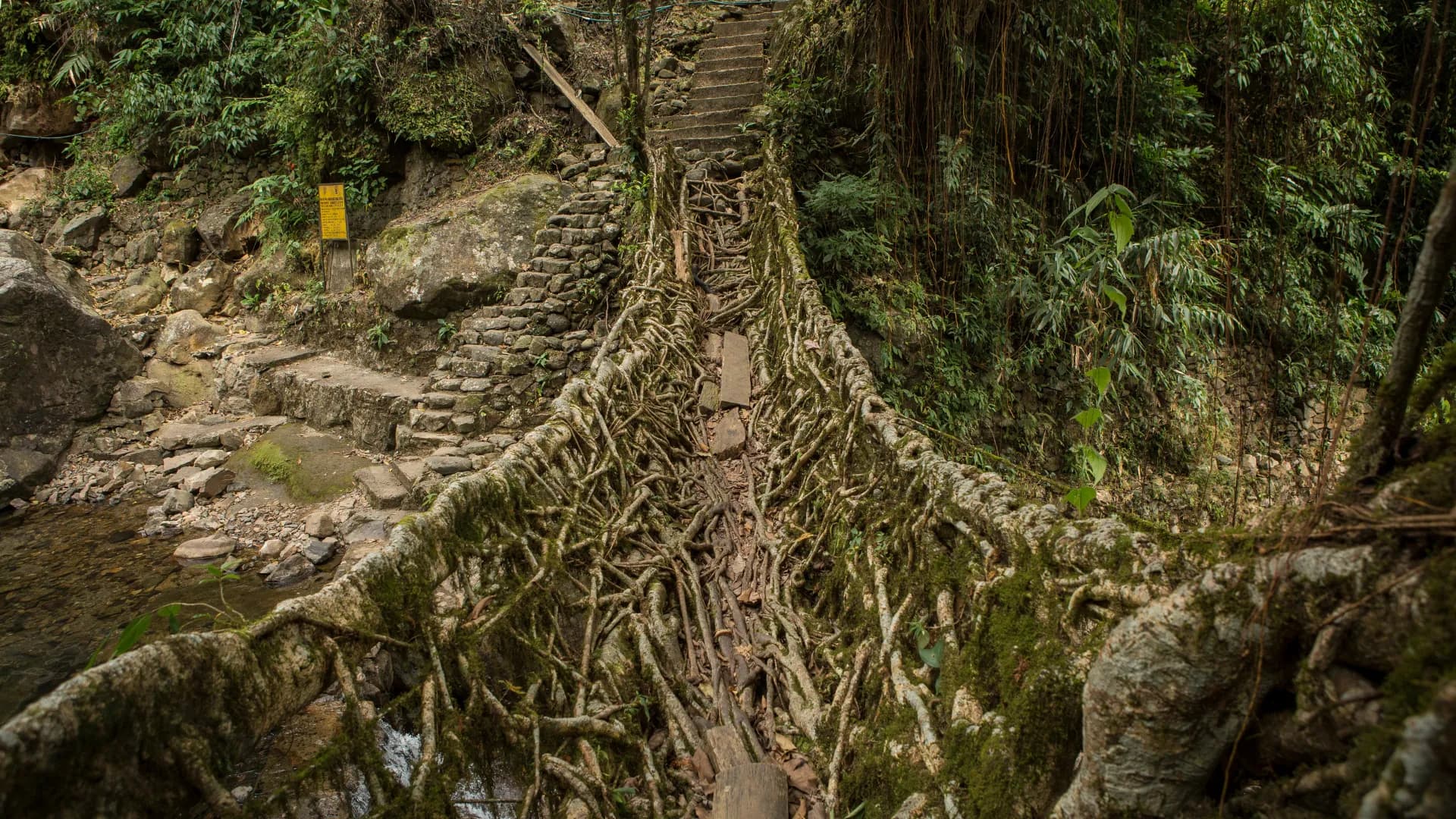
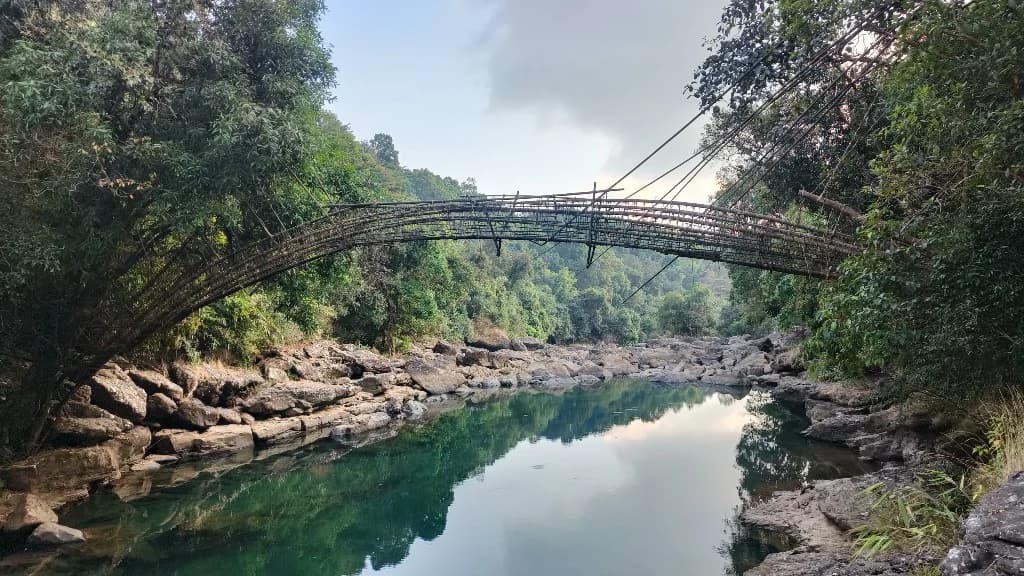
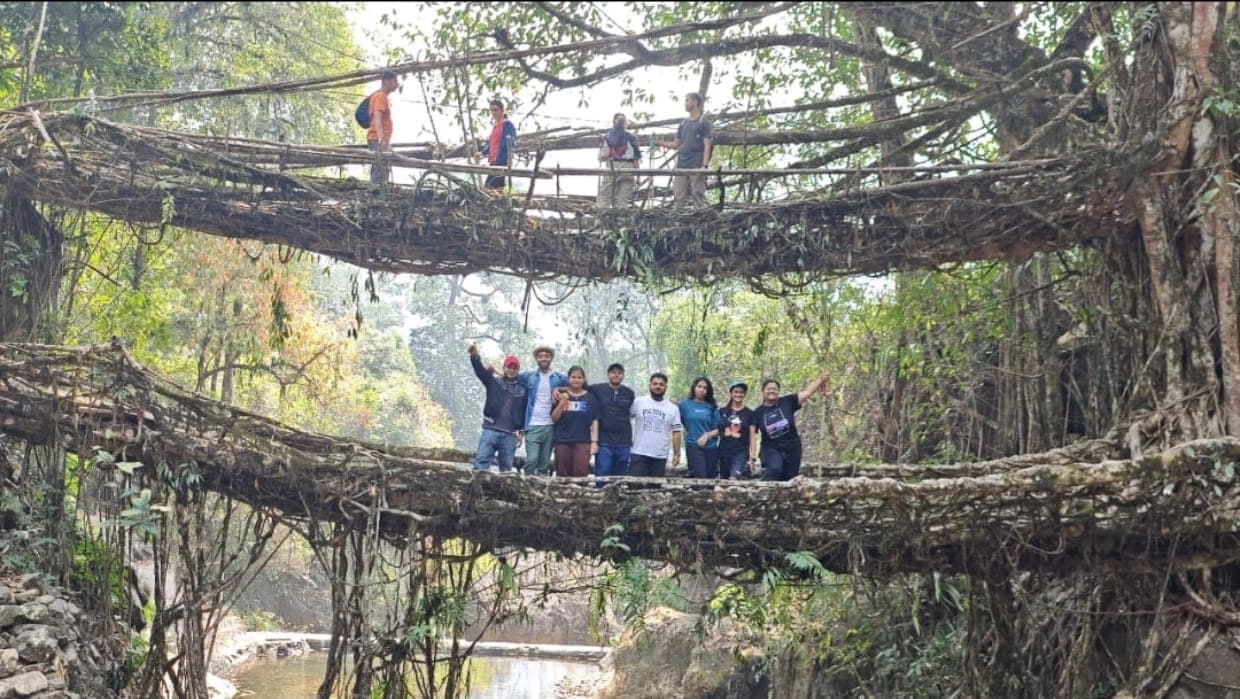
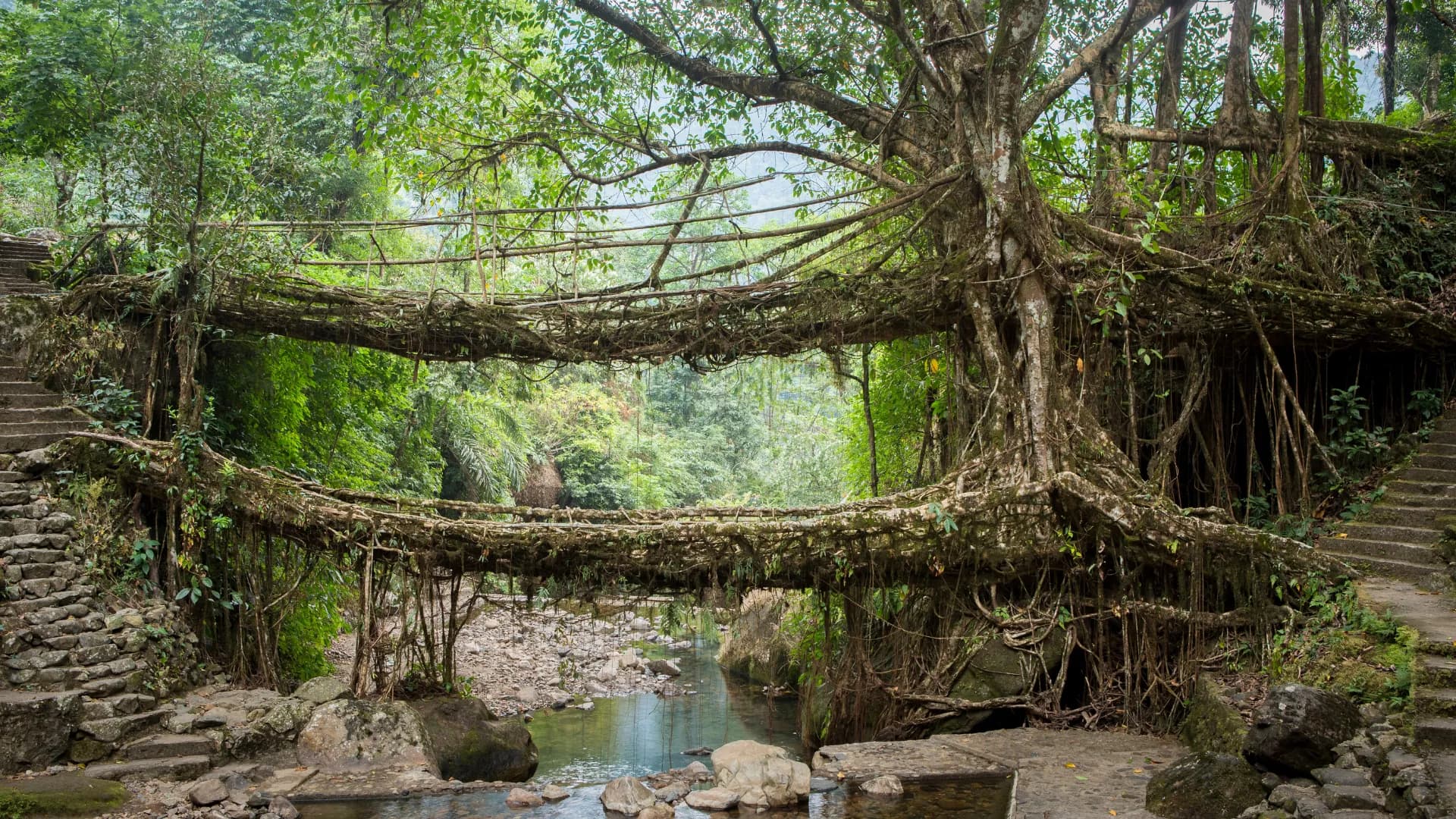
• The stone steps on trails like the Double-Decker Living Root Bridge (Nongriat) and the Wahkhen Bamboo Trek can get extremely slippery when wet. Use a bamboo walking stick for balance. • Hiring a local guide is mandatory for offbeat trails. They understand the weather patterns and know which streams are safe to cross. • Avoid swimming in unfamiliar pools during heavy rains, as water levels can rise rapidly.
Essential Packing Checklist for Pre-Monsoon Mountain Travel
To ensure a comfortable trip, pack the following essential items:
• A lightweight, breathable waterproof jacket or windbreaker. • Quick-dry hiking pants and shirts; avoid heavy denim which takes long to dry. • Sturdy hiking shoes with deep rubber grooves for grip on wet rocks. • A waterproof backpack cover or dry bag to protect your phone, wallet, and camera gear. • Salt or anti-leech spray (leeches are common on damp forest trails during the rains). • A reliable umbrella and a spare pair of dry socks.
Homestays vs. Boutique Resorts: The May Experience
Staying in local homestays offers a deeper connection to the culture of Meghalaya. Villages like Mawlynnong, Shnongpdeng, and Nongriat have clean, community-run homestays where you can share meals with Khasi families and learn about their traditional lifestyle. If you prefer luxury, boutique resorts in Sohra offer comfortable rooms with fireplaces, private balconies overlooking the misty canyons, and local Khasi cuisine prepared by professional chefs.
Frequently Asked Questions
Is it safe to visit Meghalaya in May during the pre-monsoon?
Yes, May is generally safe for visiting Meghalaya. The pre-monsoon brings intermittent afternoon showers, not continuous downpours. Roads remain passable, and waterfall trails are accessible with proper footwear. The main risks are slippery stone steps on trek routes like Nongriat. Hiring a local guide is strongly recommended for any offbeat trail visited in May or the monsoon months.
Which waterfalls in Meghalaya are best in May?
May is an excellent month for waterfalls in Meghalaya. Early pre-monsoon rains boost the flow significantly. Top waterfalls to visit: Nohkalikai Falls (India's tallest plunge waterfall, 340 m) at full flow, Krang Suri (turquoise pool at peak swimming capacity), Wei Sawdong (three-tier waterfall with powerful misty plunges), and Phe Phe Falls in Jaintia Hills. All are dramatically more powerful than their dry-season versions.
What is the weather like in Meghalaya in May?
In May, Shillong temperatures range from 15°C to 22°C — cool and pleasant compared to the Indian plains. Cherrapunji (Sohra) is slightly cooler with frequent cloud cover. Mornings are typically sunny; afternoon showers arrive by 2–3 PM and last 1–2 hours. Pack a lightweight waterproof jacket, quick-dry clothes, and sturdy footwear. Nights can be cool, requiring a light fleece or sweater.
Can I swim at Krang Suri Falls in May?
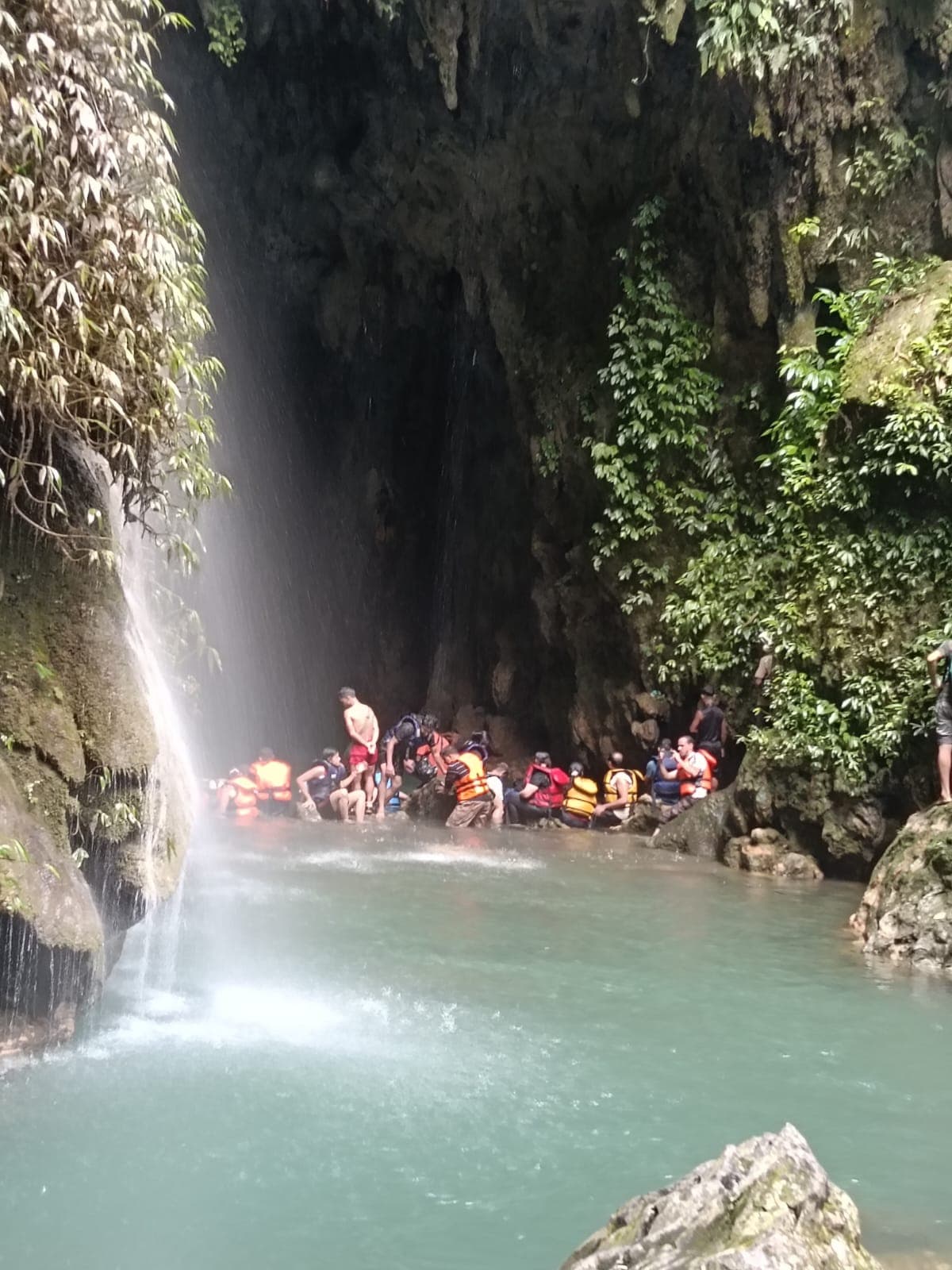
Yes. Krang Suri Falls in the Jaintia Hills is one of the few waterfalls in Meghalaya where swimming is permitted and actively encouraged. In May, the turquoise pool is full and surrounded by lush vegetation. The entry fee is ₹60 per person and life jackets are provided. Water temperature is cool and refreshing. Avoid swimming directly under the main cascade as the current is strong.
Are leeches a problem in Meghalaya in May?
Yes, leeches become active on damp forest trails from May onwards. They are common on the Nongriat root bridge trek, the Wahkhen bamboo trail, and the Mawlyngbna forest paths. Preventive measures: apply salt solution or commercial anti-leech spray to boots and socks before trekking, wear tightly fastened trousers tucked into socks, and check your legs every 30 minutes on forested trails.
"Experience the magic of the clouds before the heavy rains arrive. Plan your custom pre-monsoon Meghalaya package with the local experts at NEexplore NOW."