The Jeep Safari in Kaziranga National Park offers a thrilling, high-coverage adventure through the diverse landscapes of this UNESCO World Heritage Site. Covering vast riverine floodplains, tropical forests, and wetlands, a jeep safari is the best way to explore the deeper areas of the park. In this complete guide, we cover the four safari zones, species checklists, photography tips, and booking logistics for 2026.
Safari Zones & Terrain Guide: Kohora, Bagori, Agoratoli, and Burapahar
Kaziranga is divided into four main tourism zones, each offering a unique landscape and sighting experience:
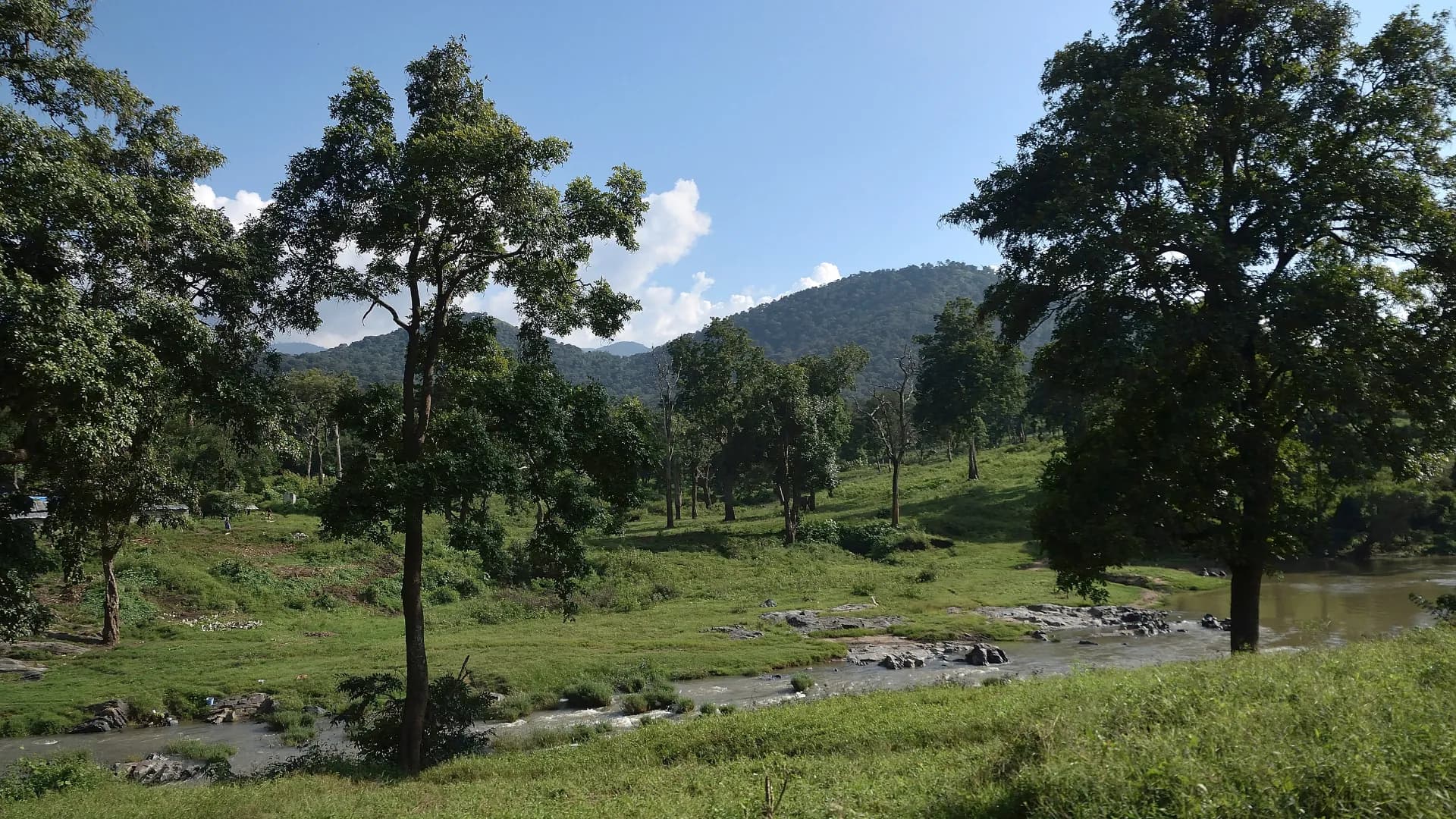
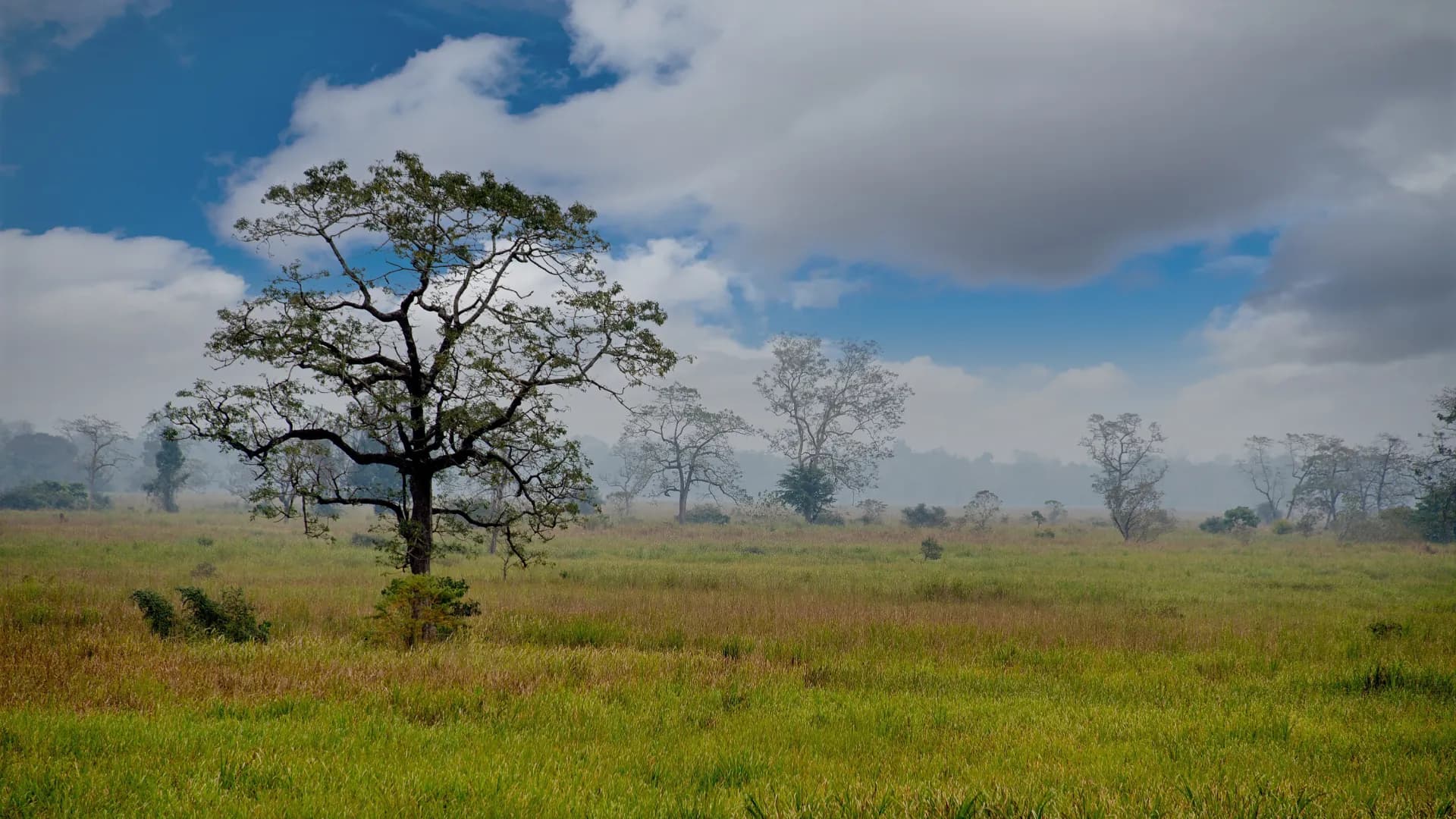
• Central Range (Kohora): The most popular zone. It features a balanced landscape of tall elephant grass, wet alluvial grasslands, and water bodies (beels). Excellent for spotting rhinos, deer, and buffaloes. It has a well-maintained loop road suitable for all visitors. • Western Range (Bagori): Famous for its high density of rhinos. The terrain is flat with extensive grasslands. Highly recommended for close-up rhino sightings. It gets crowded during peak season due to its proximity to the highway. • Eastern Range (Agoratoli): A paradise for birdwatchers and nature lovers. The landscape features dense woodland, marshes, and paths running along the Brahmaputra River. It offers sightings of otters, wild buffaloes, and migratory birds. • Burapahar Range: Located further west, this zone has a hilly terrain with thick forests. It is less crowded and offers opportunities for woodland birdwatching, spotting hoolock gibbons, and scenic landscape views.
The Big Five of Kaziranga: Habitats & Behavior
Kaziranga is globally renowned for hosting the 'Big Five' of the animal kingdom. A jeep safari allows you to search for all five across their respective habitats:
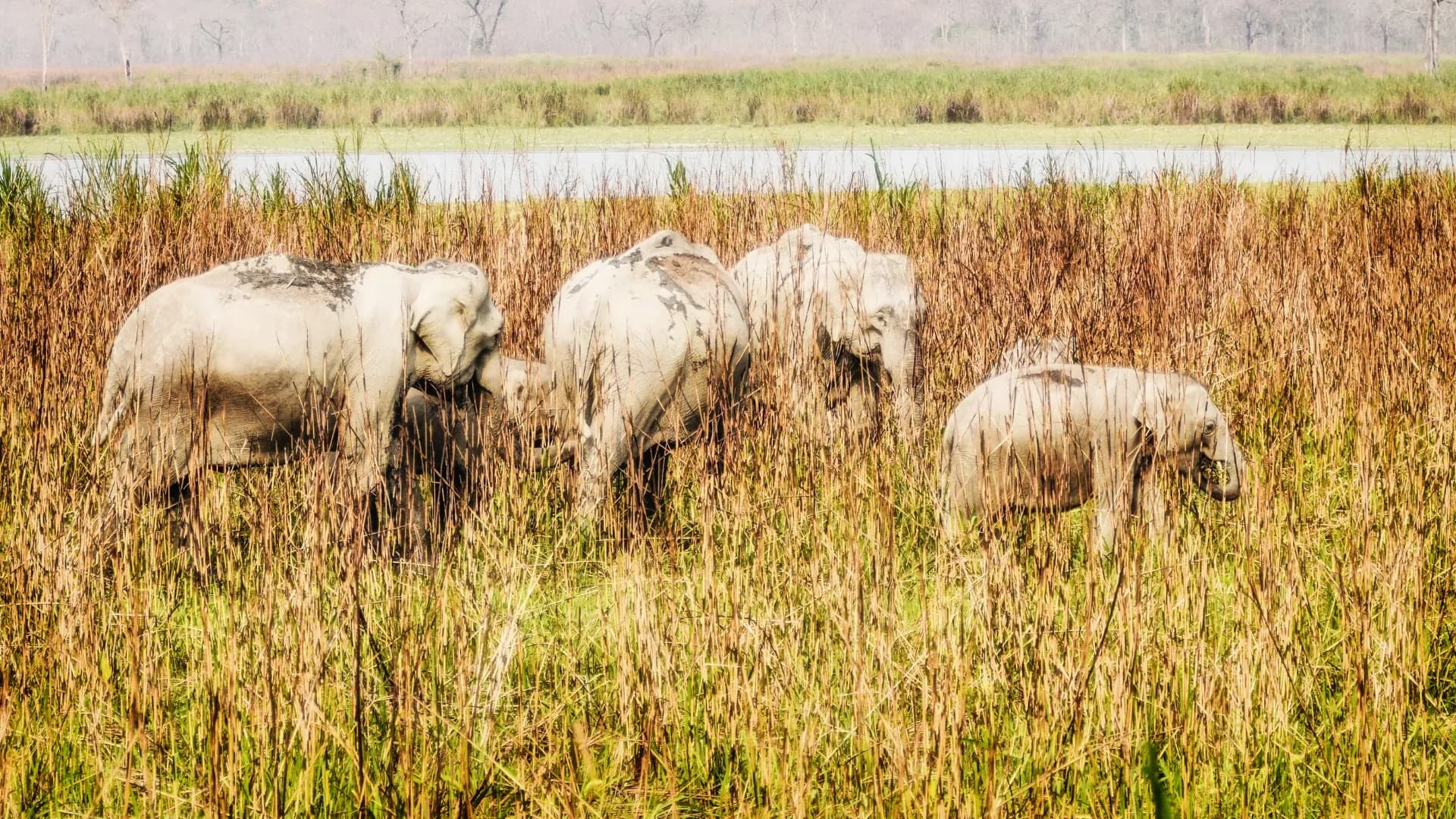
• One-Horned Rhinoceros: Found grazing in the open grasslands and bathing in the water bodies. Best spotted in the early morning and late afternoon. • Royal Bengal Tiger: Kaziranga has a very high tiger density, but spotting them requires patience and luck. They are typically seen crossing the tracks or drinking near the beels in the dry spring months. • Asian Elephant: Often seen in large family herds moving through the tall grass or bathing in the rivers, especially in the afternoon. • Wild Water Buffalo: Large herds graze in the marshy wetlands. They are distinguished by their massive horns and robust build. • Swamp Deer (Barasingha): Often seen in the wet fields of the Central Range, feeding on aquatic plants.
Birdlife & Migratory Species Checklist
Recognized as an Important Bird Area (IBA) by BirdLife International, Kaziranga is home to over 500 species of birds. During the winter months (November to February), the park's water bodies are covered with thousands of migratory birds. You can spot the Greater Adjutant Stork, Great Indian Hornbill, Spot-billed Pelican, Pallas's Fish Eagle, Swamp Francolin, and various species of ducks, geese, and waders. The Agoratoli (Eastern) range is highly recommended for dedicated birdwatching safaris.
Golden Hours & Photography Guidelines
For the best photography, timings are crucial. Jeep safaris are conducted in two daily shifts:
• Morning Shift: 7:30 AM – 11:00 AM (The morning light is soft and golden, perfect for capturing dew on the grass and animals moving before the heat of the day. The fog usually clears by 8:30 AM). • Afternoon Shift: 1:30 PM – 4:00 PM (Offers warm, directional light. Animals frequently visit water bodies to drink, making this shift excellent for tiger and elephant sightings).
Tips: Use a telephoto lens (300mm minimum, 500mm-600mm preferred) for bird and animal portraits. Bring a lens cloth and dust cover, as the dirt roads get extremely dusty when jeeps pass.
Safari Pricing, Jeep Permits, and Seat Capacity
Jeep safaris are conducted in open 4x4 Gypsy vehicles registered with the forest department. Standard pricing (2026) per vehicle (carrying up to 6 adults) is as follows:
• Central & Western Range: ₹4,000 – ₹4,200 per jeep (includes vehicle entry fee, driver fee, local guide charges, and forest permits). • Eastern Range (Agoratoli): ₹4,600 – ₹4,900 per jeep. • Burapahar Range: ₹5,300 – ₹5,500 per jeep (due to the longer transit distance).
Notes: Each jeep must carry a mandatory forest department guide. Individual seats cannot be booked; you must book the entire vehicle. Tips are appreciated for driver-guides who work hard to find wildlife.
Environmental Safety Code & Preparation Guide
To maintain the delicate ecosystem of the park, all visitors must adhere to the forest department safety code:
• Do not step out of the jeep inside the forest; you are only allowed to alight at designated watchtowers and river banks. • Wear muted, forest-friendly colors like olive green, khaki, brown, and beige. Avoid bright red, pink, and yellow. • Do not carry plastic bottles or feed the animals. Carry all trash back to your resort. • Keep a light jacket or windbreaker handy, as the morning drives can be cold and windy. • Carry sunglasses, a dust mask, and sunscreen for the dusty tracks.
Why Choose NEexplore NOW for Your Jeep Safari?
NEexplore NOW works with a selected network of experienced local driver-guides who have spent years studying animal movement and bird calls in Kaziranga. We handle all advance permit bookings, vehicle coordination, and pick-ups directly from your resort, ensuring a smooth, safe, and premium wildlife experience without any hassle.
Frequently Asked Questions
How many zones are there for jeep safari in Kaziranga?
Kaziranga has four jeep safari zones: Central Range (Kohora) — most popular for rhinos and deer; Western Range (Bagori) — highest rhino density; Eastern Range (Agoratoli) — best for birdwatching and otters along the Brahmaputra; and Burapahar Range — hilly, forested, excellent for hoolock gibbons and woodland birds. Each zone requires a separate permit and vehicle entry fee.
What is the Kaziranga jeep safari price in 2026?
Kaziranga jeep safari rates per vehicle (up to 6 passengers) in 2026: Central and Western Range ₹4,000–₹4,200, Eastern Range (Agoratoli) ₹4,600–₹4,900, and Burapahar Range ₹5,300–₹5,500. Prices include vehicle entry, driver fee, local forest guide, and permits. Individual seat bookings are not available — you must book the entire vehicle.
What is the best time for jeep safari in Kaziranga for tiger sightings?
March and April are the best months for tiger sightings on jeep safaris in Kaziranga. The dry season causes the tall grass to wither, leaving open fields with clear sightlines. Tigers are frequently spotted near the major water bodies (beels) during the afternoon shift (1:30 PM–4:00 PM) when they come to drink and cool off in the heat.
Do I need to book Kaziranga jeep safari in advance?
Advance booking is strongly recommended, especially for the peak season (November to February). The Central Range is particularly popular and slots fill up quickly. Booking 2 to 4 weeks ahead through a local operator like NEexplore NOW avoids counter queues and ensures your preferred zone and time slot. On-the-spot bookings are risky during peak season and holidays.
Which is the best zone for a first-time Kaziranga jeep safari?
The Central Range (Kohora) is the best choice for first-time visitors. It offers a balanced landscape of grasslands, wetlands, and water bodies with consistent rhino, deer, and buffalo sightings. The infrastructure is well-maintained, and the loop road is comfortable for all vehicle types. For serious photographers or return visitors, the Western Range (Bagori) offers the highest rhino density.
Can I combine jeep safari and elephant safari on the same day?
Yes, and it's highly recommended. The standard day itinerary is: elephant safari at 5:15 AM or 6:15 AM (morning, 1 hour), followed by breakfast at your resort, then a jeep safari at 7:30 AM or the afternoon shift at 1:30 PM. Both safaris cover different zones and terrains, giving you a comprehensive wildlife experience that covers both ground-level grasslands and open road circuits.
"Book your Kaziranga adventure today and explore the wilderness with the local experts at NEexplore NOW."