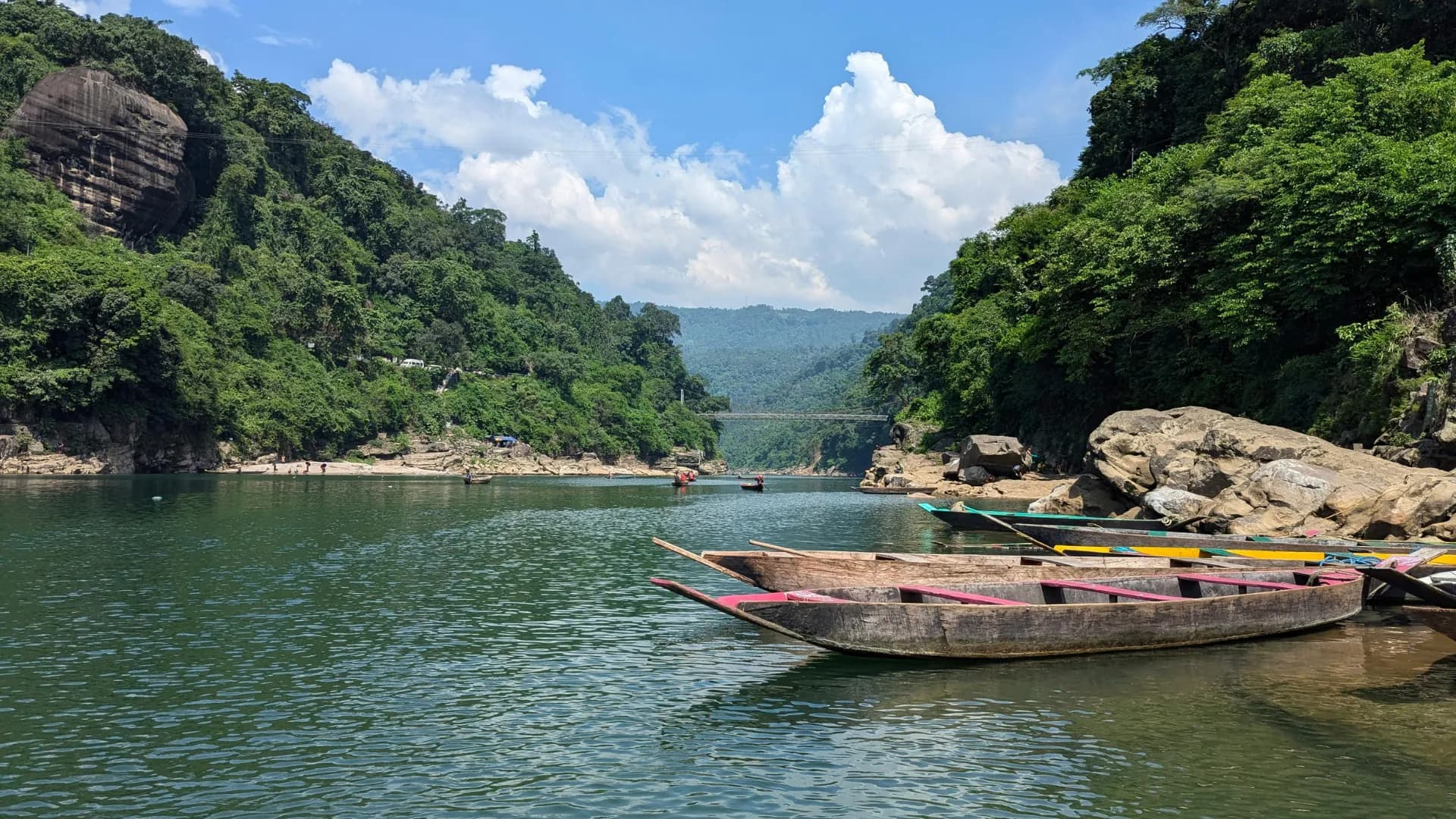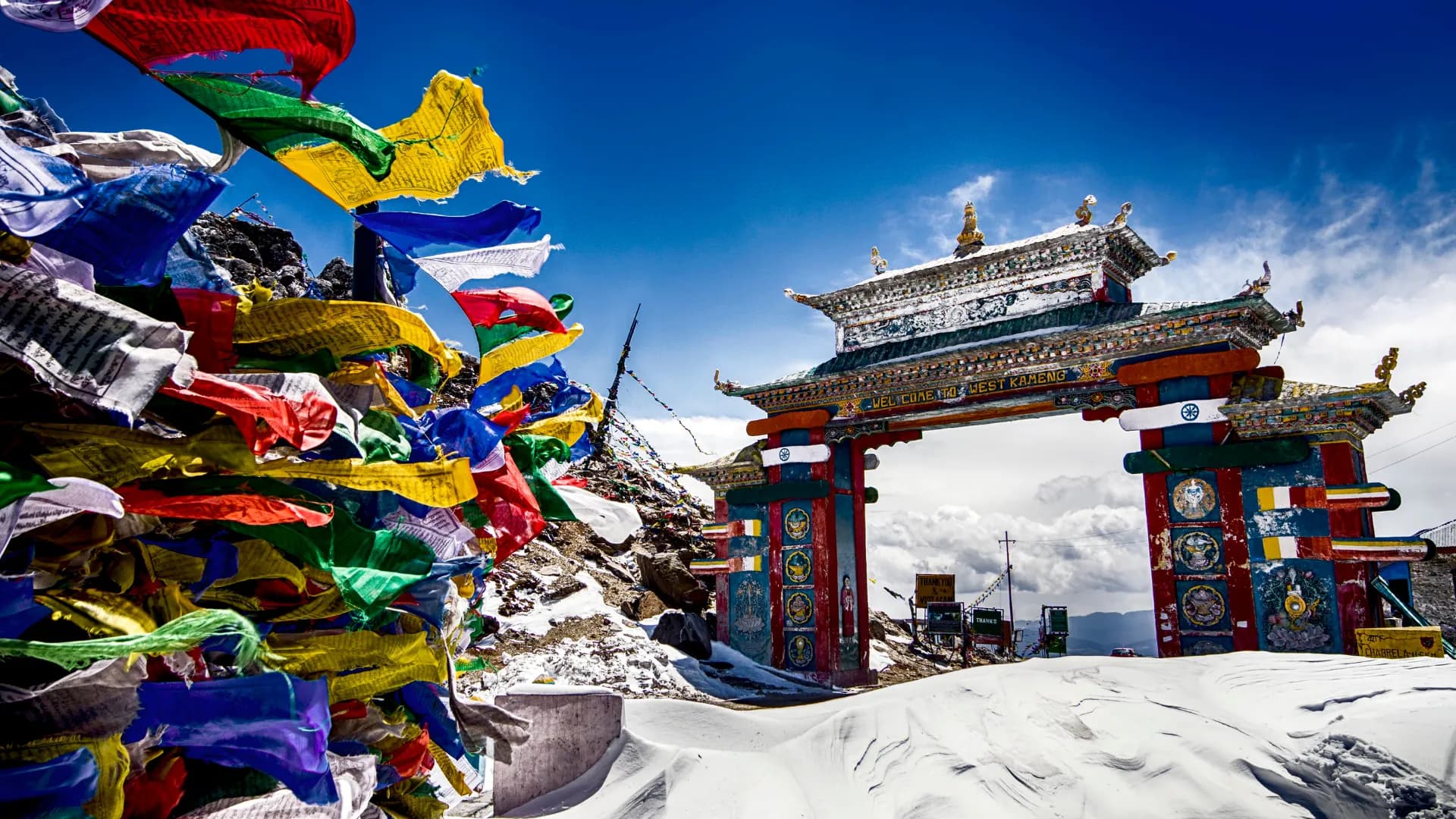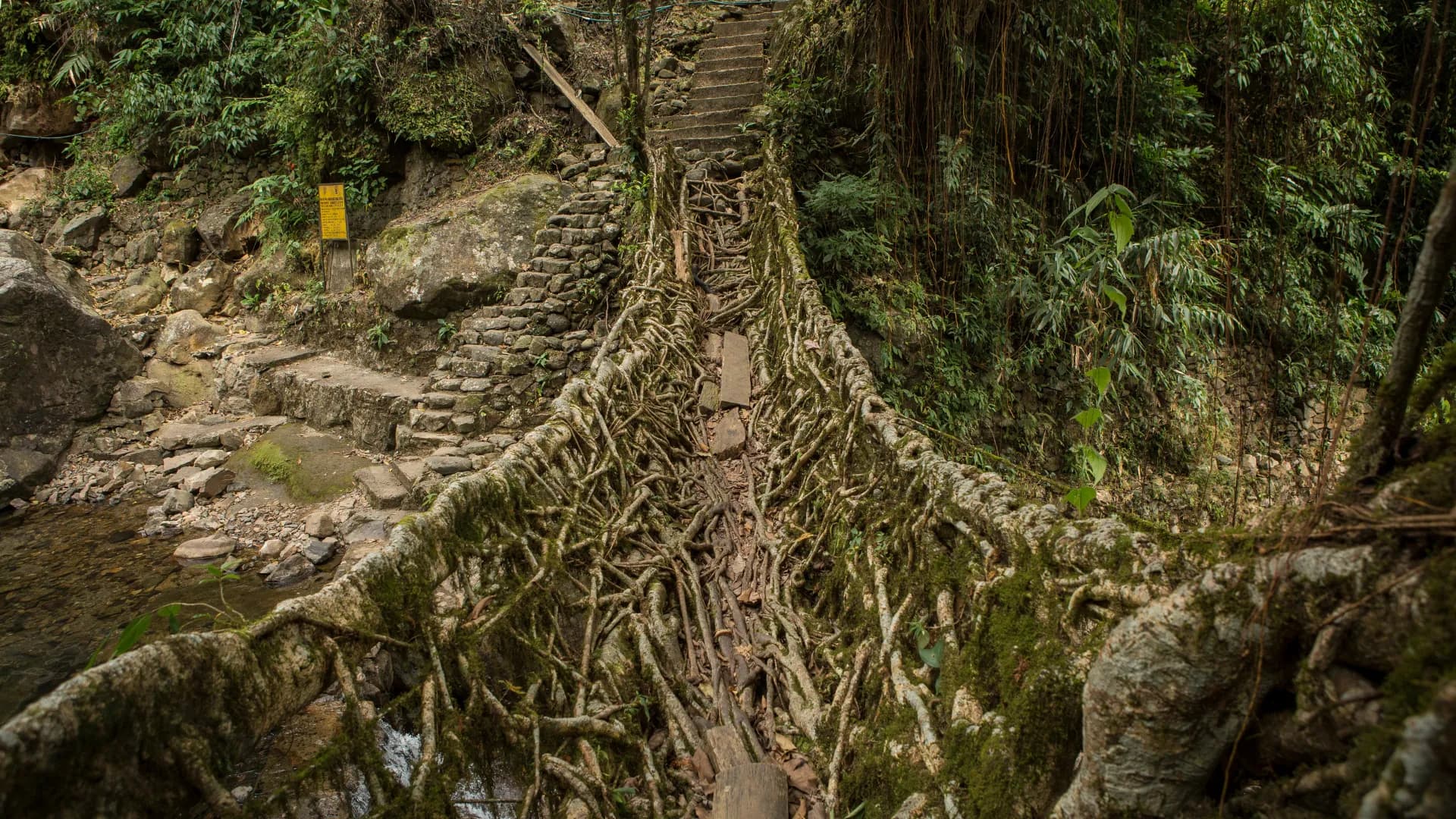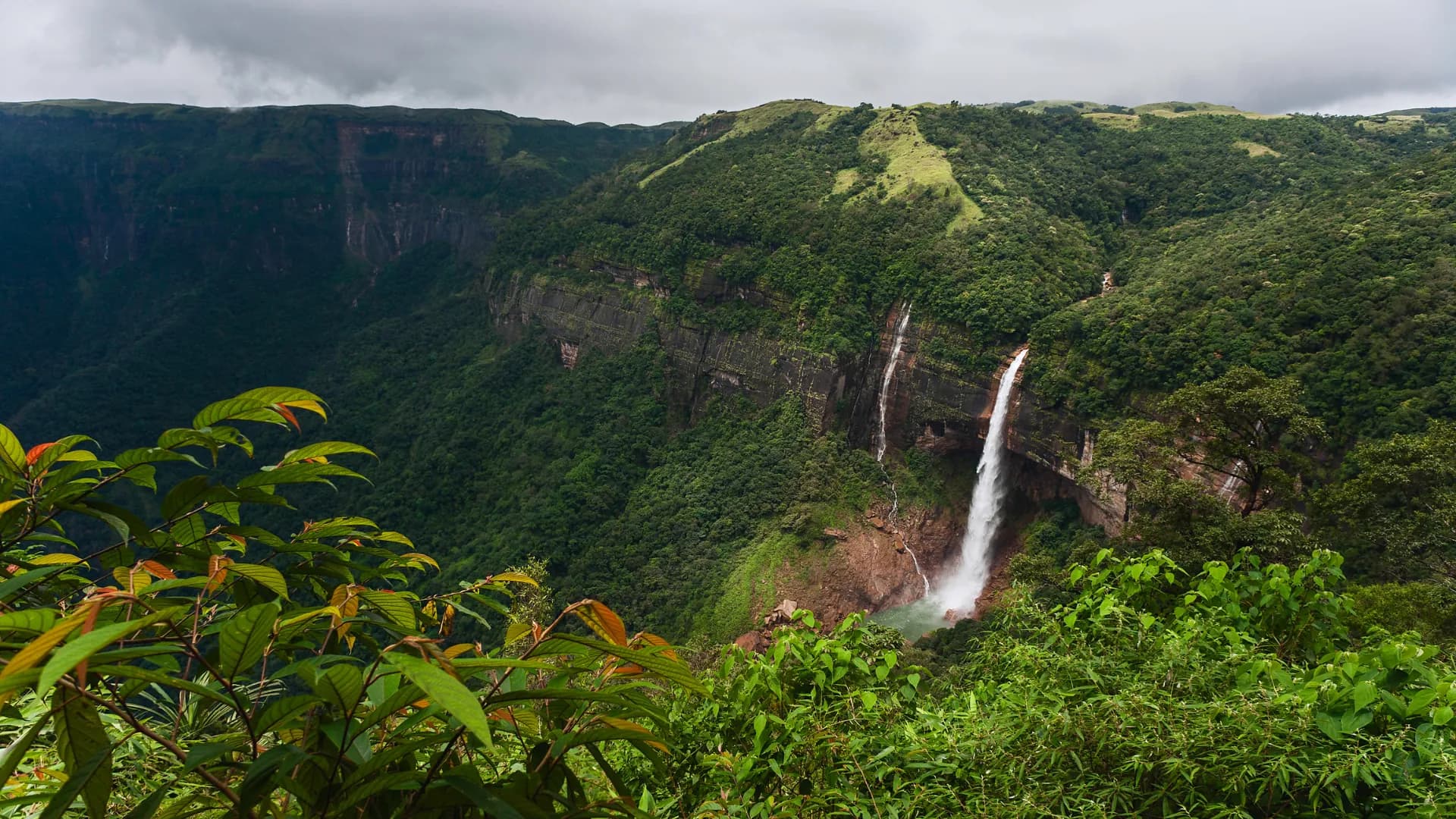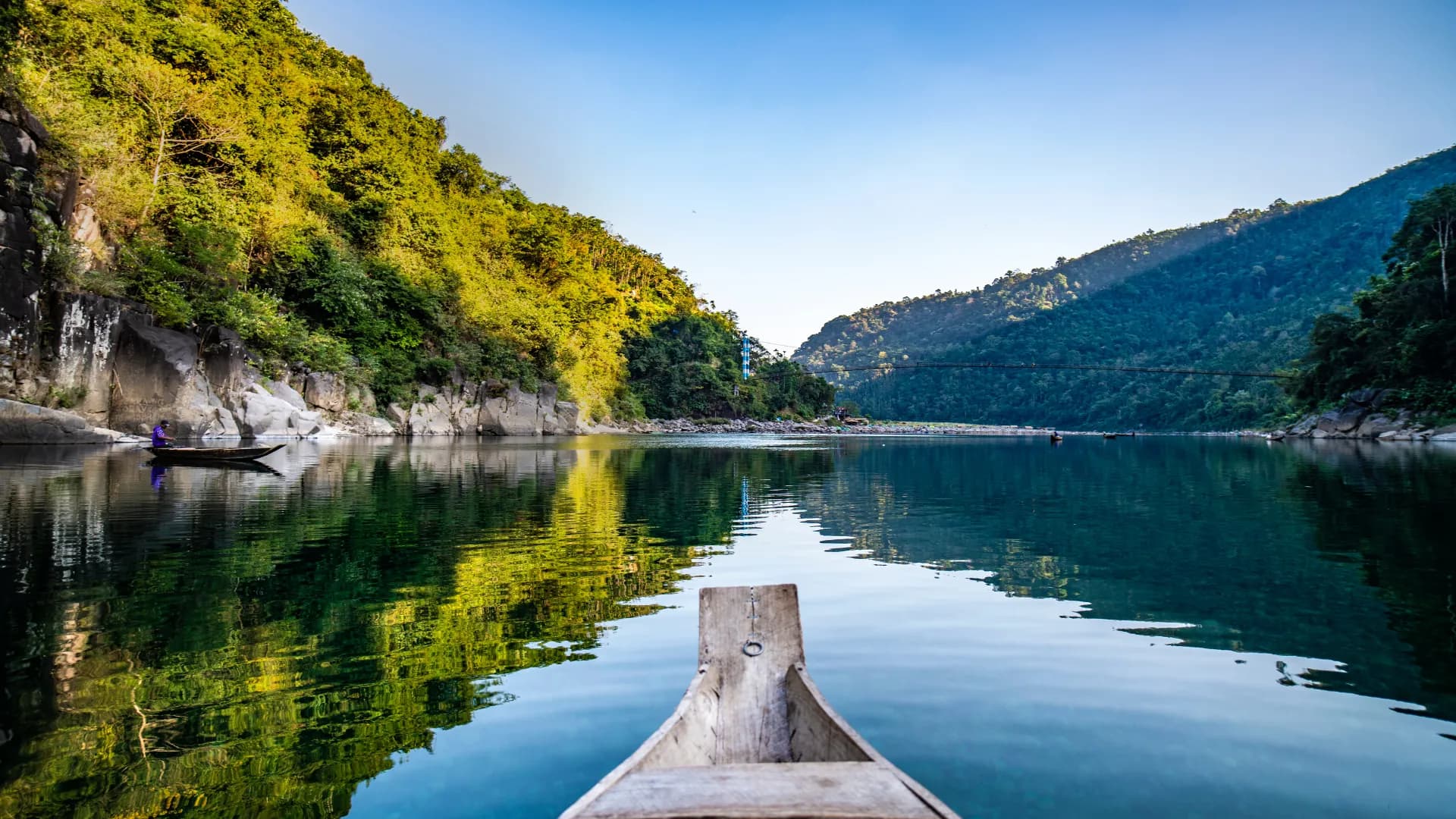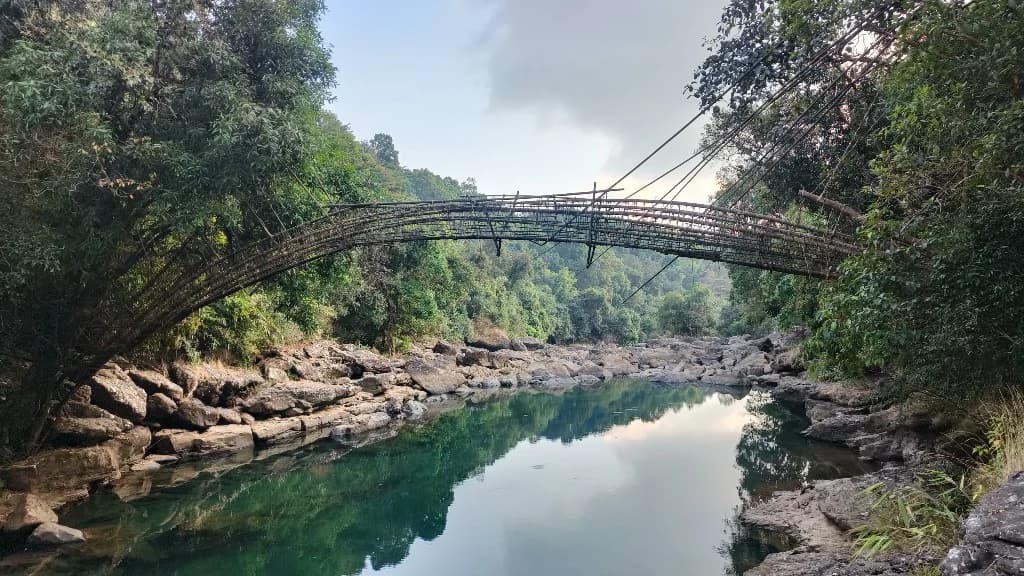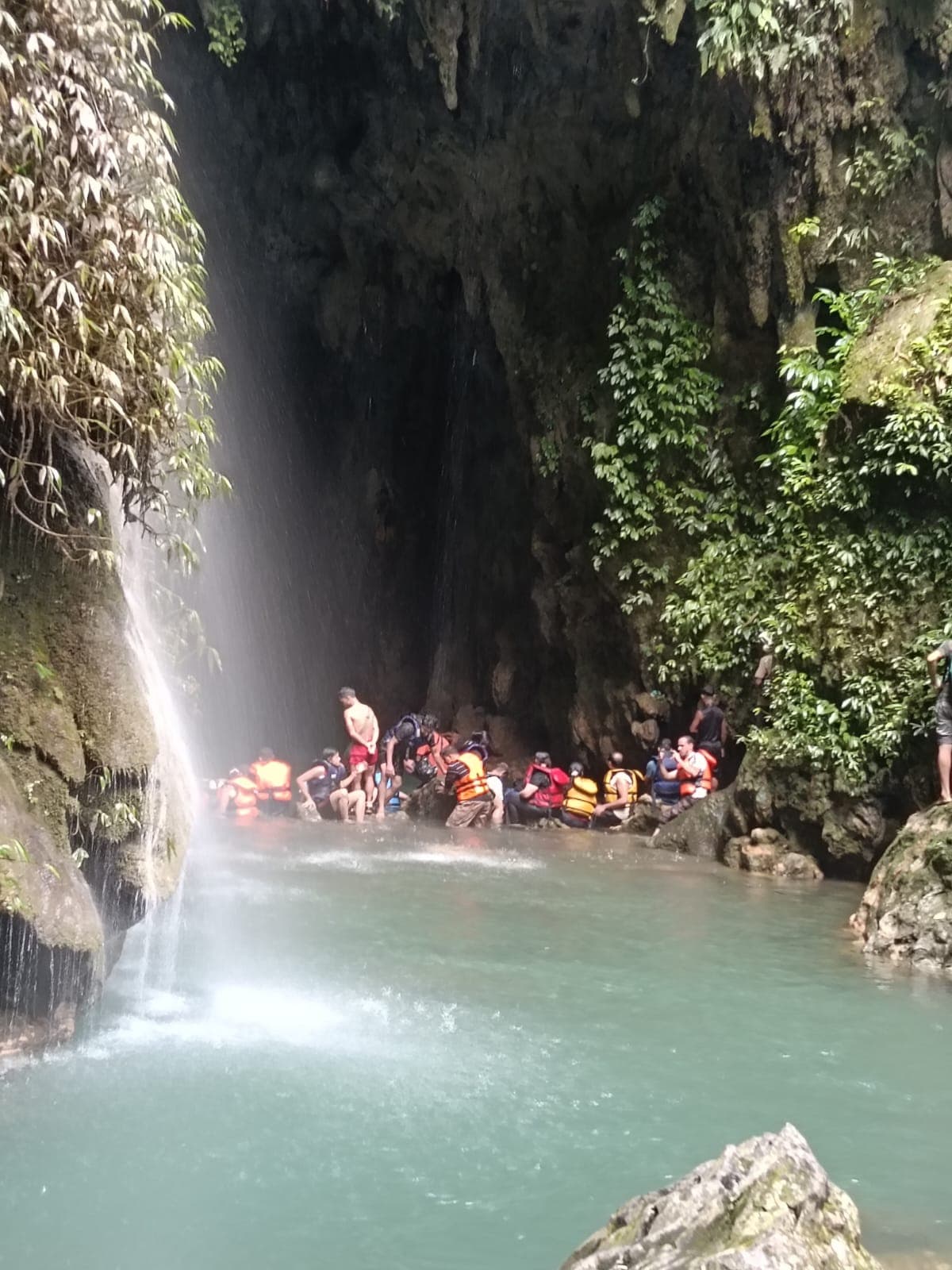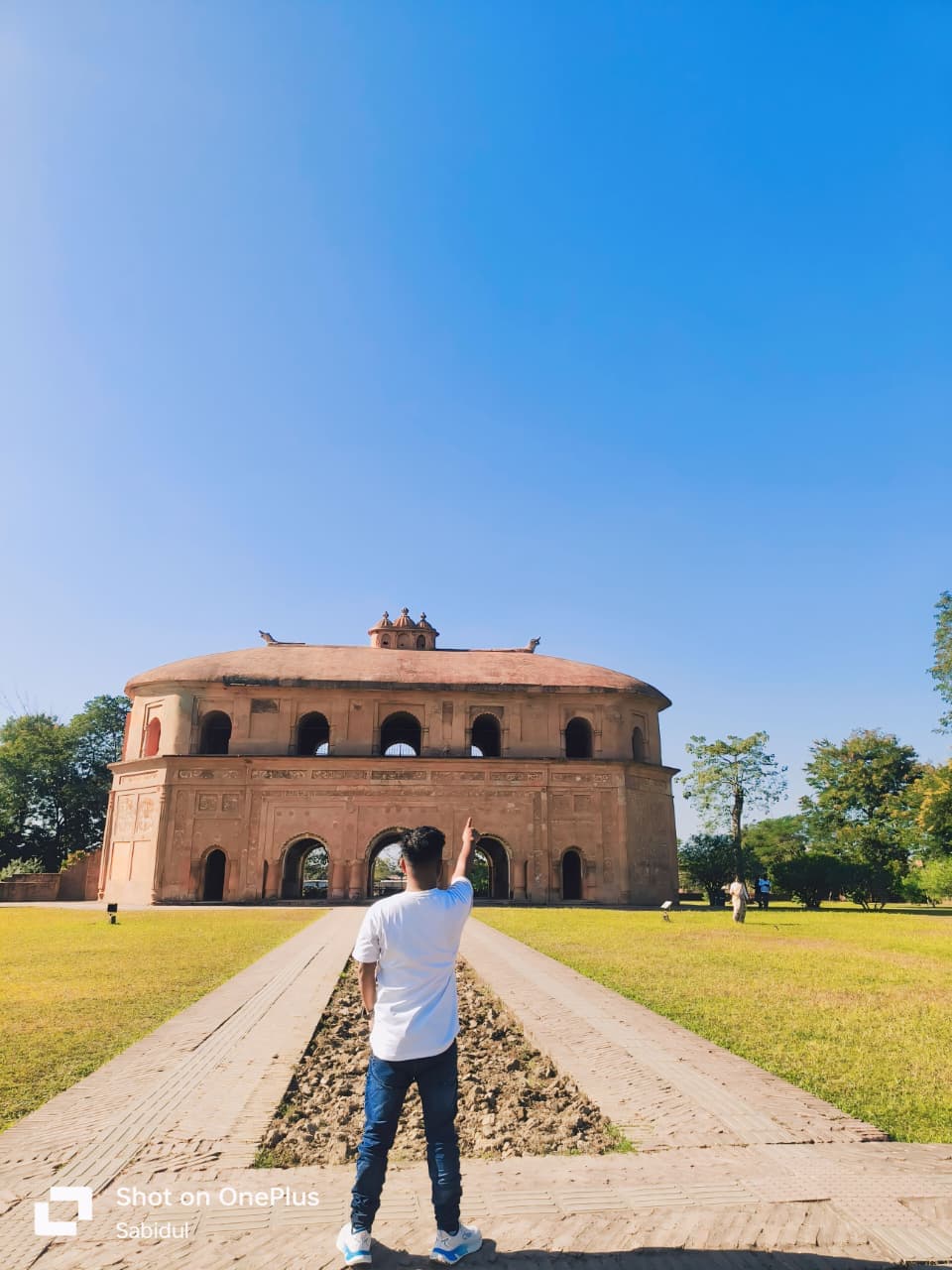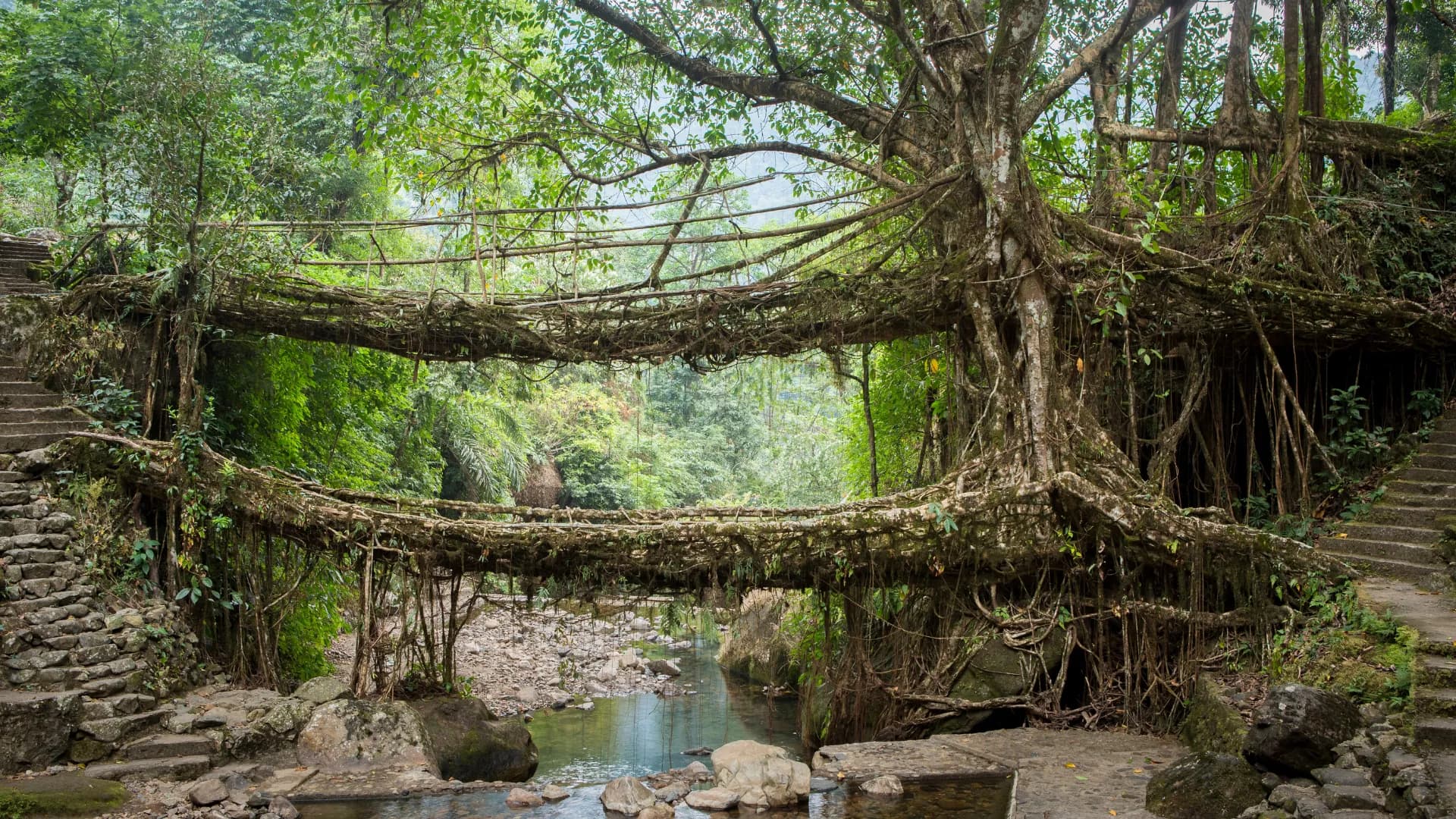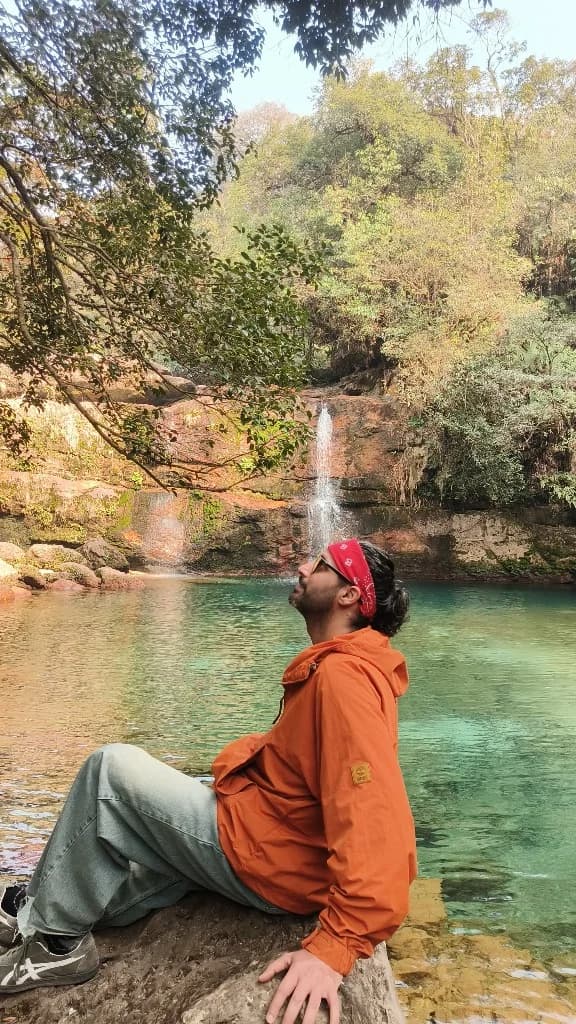

Imagine waking up to the sight of the mighty Brahmaputra River, hearing temple bells echo across the hills, and watching the city come alive with a blend of ancient traditions and modern energy. Welcome to Guwahati, the largest city in Assam and the true gateway to Northeast India. Whether you're planning a spiritual journey to the famous Kamakhya Temple, a relaxing Brahmaputra sunset cruise, a wildlife adventure to Kaziranga National Park or Pobitora Wildlife Sanctuary, or an unforgettable road trip to Shillong, Cherrapunji, Dawki, or Tawang, every journey through Northeast India begins here. In recent years, Guwahati has evolved into one of India's fastest-growing travel destinations. Excellent air connectivity, modern hotels, vibrant cafés, shopping markets, and rich Assamese culture make it an ideal destination for solo travelers, families, couples, photographers, and adventure lovers alike. This comprehensive Guwahati Travel Guide 2026 covers everything you need to know—from the best places to visit and ideal travel seasons to local food, shopping, transportation, suggested itineraries, travel costs, and expert tips—helping you plan a memorable and hassle-free trip.
Why Visit Guwahati?
Unlike many Indian cities, Guwahati offers an experience where spirituality, nature, wildlife, and urban life coexist beautifully.
Here are just a few reasons why travelers love Guwahati:
- Home to the world-famous Kamakhya Temple, one of the most sacred Shakti Peethas. - Scenic views of the mighty Brahmaputra River. - Rich Assamese traditions, festivals, and cultural heritage. - Excellent base for exploring Meghalaya, Arunachal Pradesh, Nagaland, and Kaziranga. - Delicious Assamese cuisine and authentic local flavors. - Affordable accommodation for every budget. - Vibrant local markets selling Assam Tea, Muga Silk, handicrafts, and traditional souvenirs. - Peaceful lakes, temples, wildlife sanctuaries, and green hills located close to the city.
Whether you're staying for two days or using Guwahati as the starting point for a longer Northeast India adventure, you'll find plenty to explore.
Where is Guwahati Located?
Guwahati is situated in the state of Assam, on the southern bank of the Brahmaputra River. Surrounded by hills and forests, the city acts as the commercial, cultural, educational, and transportation hub of Northeast India.
Because of its strategic location, Guwahati is often called the Gateway to Northeast India, connecting travelers to destinations such as:
- Shillong - Cherrapunji (Sohra) - Dawki - Mawlynnong - Kaziranga National Park - Pobitora Wildlife Sanctuary - Tawang - Dirang - Bomdila - Majuli - Manas National Park
Most tourists arriving in Northeast India land at Guwahati Airport before continuing their journey to these destinations.
Quick Facts About Guwahati
Information| Details State| Assam Region| Northeast India Famous For| Kamakhya Temple, Brahmaputra River, Assam Tea, Silk Elevation| Approx. 55 meters Airport| Lokpriya Gopinath Bordoloi International Airport Railway Station| Guwahati Junction Languages| Assamese, English, Hindi Currency| Indian Rupee (INR) Time Zone| IST (UTC +5:30) Ideal Stay| 2–3 Days
A Brief History of Guwahati
Guwahati is one of the oldest continuously inhabited cities in South Asia, with a history spanning more than 2,000 years. Historically known as Pragjyotishpur, it served as an important center of learning, trade, and culture in ancient Assam.
The city flourished under the Kamarupa Kingdom and later became an important center during the Ahom dynasty. References to Pragjyotishpur appear in ancient Hindu scriptures and epics, highlighting its long-standing religious and cultural significance.
Today, remnants of this rich heritage can still be experienced through its temples, archaeological sites, museums, and traditional festivals.
Geography and Natural Beauty
One of Guwahati's greatest attractions is its natural setting.
The city stretches along the majestic Brahmaputra River and is surrounded by lush green hills, wetlands, and forests. This unique landscape offers visitors a refreshing combination of urban convenience and natural beauty.
Some of the city's most scenic natural attractions include:
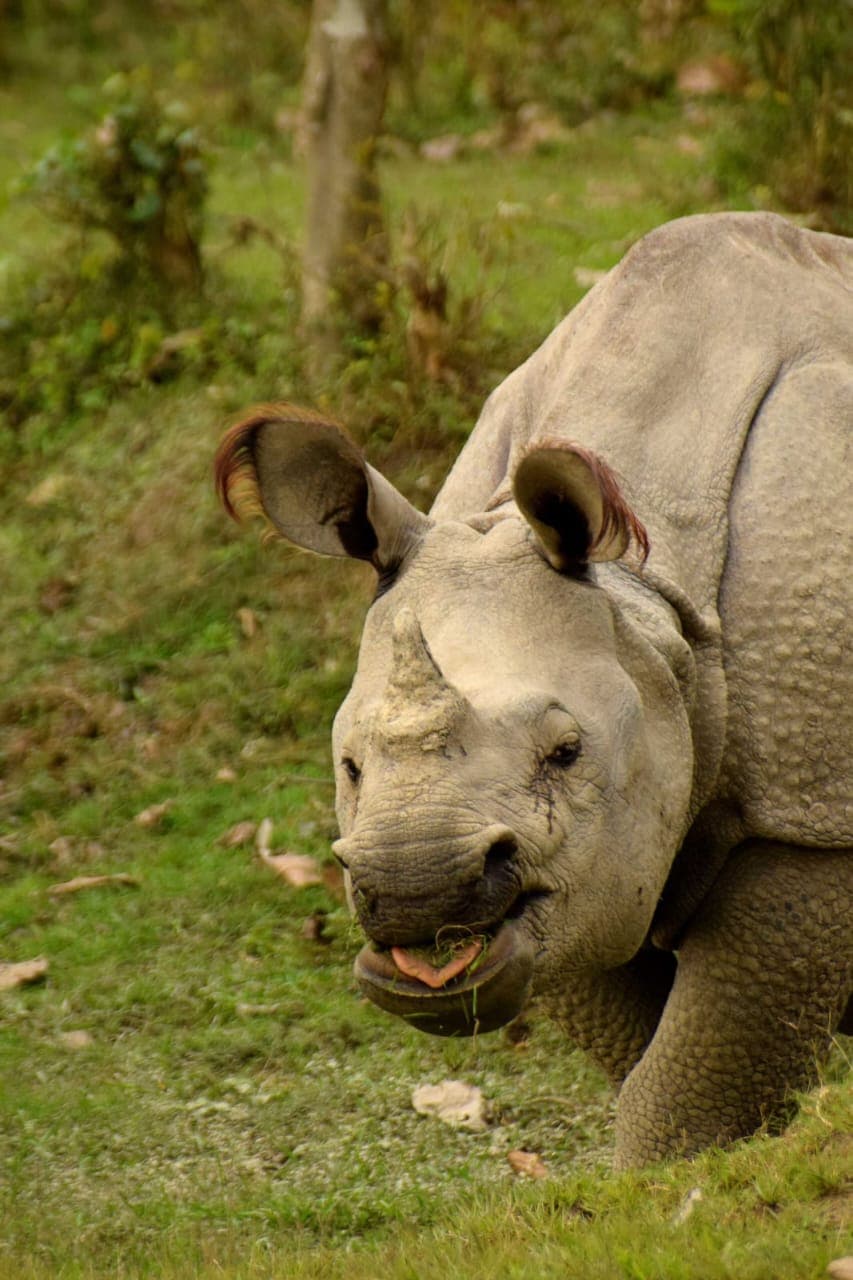
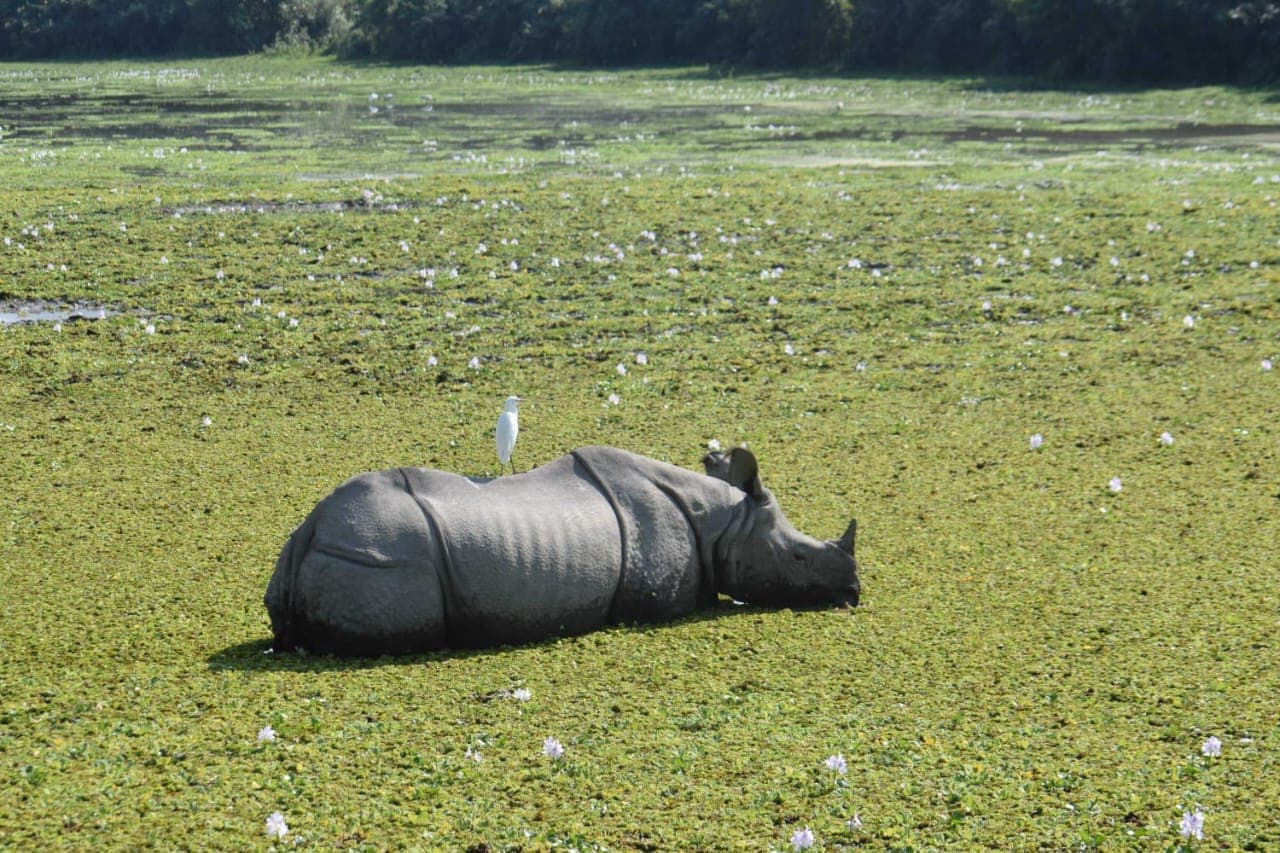
- Deepor Beel, a Ramsar-recognized wetland and birdwatching destination. - Nilachal Hill, home to the famous Kamakhya Temple. - Nabagraha Hill. - Brahmaputra Riverfront. - Amchang Wildlife Sanctuary. - Nearby Chandubi Lake and Pobitora Wildlife Sanctuary.
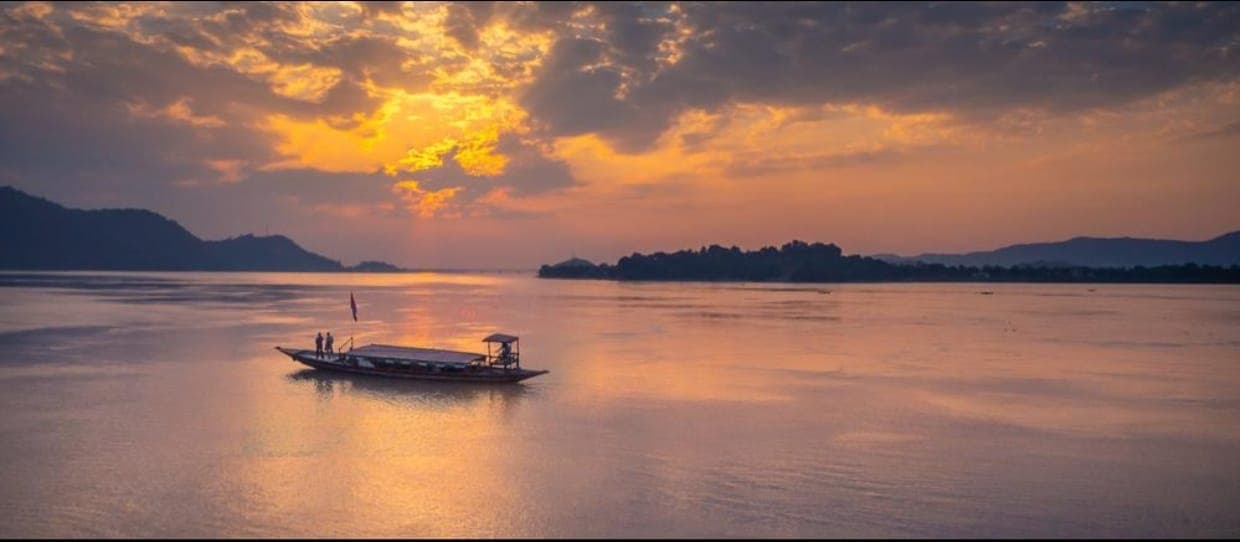
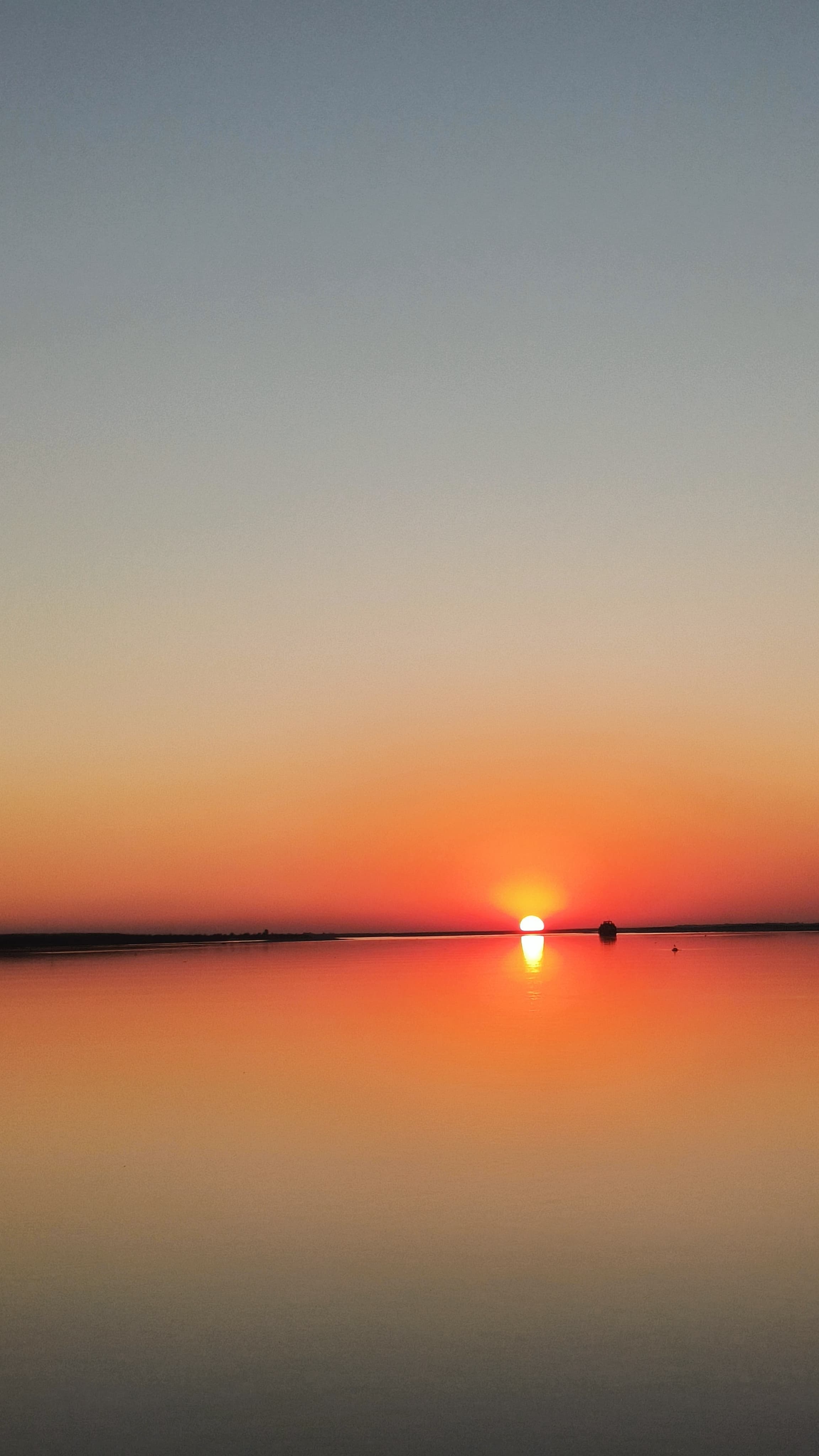
During sunrise and sunset, the Brahmaputra River transforms into a breathtaking landscape, making it one of the city's most photographed locations.
Culture of Guwahati
Guwahati reflects the rich cultural heritage of Assam.
Visitors can experience:
- Traditional Bihu dance performances. - Assamese folk music. - Local handicrafts. - Muga and Eri silk weaving. - Authentic Assamese cuisine. - Colorful cultural festivals. - Warm hospitality.
The city is also home to important cultural institutions, museums, art galleries, and performance venues that preserve and celebrate Assam's traditions.
Who Should Visit Guwahati?
Guwahati offers something for every type of traveler.
Family Travelers
Comfortable sightseeing, temples, parks, wildlife attractions, and easy accessibility.
Couples
Romantic Brahmaputra cruises, hill viewpoints, cafés, and scenic day trips.
Solo Travelers
Safe, well-connected, and an excellent starting point for backpacking across Northeast India.
Adventure Enthusiasts
Gateway to trekking, caving, river activities, wildlife safaris, and offbeat destinations in Meghalaya and Arunachal Pradesh.
Spiritual Travelers
Historic temples, monasteries, and sacred sites provide meaningful cultural and religious experiences.
Why Guwahati is the Perfect Base for Exploring Northeast India
One of Guwahati's biggest advantages is its connectivity. From here, travelers can easily reach some of the most iconic destinations in the region:
- Shillong – approximately 3 hours - Cherrapunji (Sohra) – around 5 hours - Dawki – around 6 hours - Kaziranga National Park – around 5 hours - Pobitora Wildlife Sanctuary – about 1.5 hours - Tawang – typically a multi-day road journey via Bomdila and Dirang
This makes Guwahati the ideal starting point for exploring the diverse landscapes of Northeast India, from misty mountains and waterfalls to wildlife reserves and cultural heritage sites.
What You'll Learn in This Guide
This guide is designed to answer every question a traveler might have before visiting Guwahati. In the upcoming sections, you'll discover:
- The best time to visit Guwahati. - How to reach the city by air, rail, and road. - The top tourist attractions and hidden gems. - Where to eat authentic Assamese cuisine. - Shopping destinations and local souvenirs. - Suggested itineraries for 2 to 5 days. - Budget planning and accommodation options. - Practical travel tips and safety advice. - Frequently asked questions to help you plan with confidence.
By the end of this guide, you'll have all the information you need to enjoy a memorable trip to Guwahati and begin your journey through the incredible landscapes of Northeast India.
Ready to explore Guwahati? Read our complete Guwahati Travel Guide 2026 and plan your perfect Northeast trip. Looking for a hassle-free holiday? Explore our Guwahati Tour Packages or contact NEexplore NOW for a customised itinerary tailored just for you.
• Explore Our Guwahati Tour Packages • Book a Customized Northeast Tour • Explore Kaziranga National Park • Complete Cherrapunji Travel Guide 2026 • Pobitora Wildlife Sanctuary Travel Guide • Contact NEexplore NOW

History of Guwahati: A Journey Through Time
Guwahati is one of the oldest continuously inhabited cities in India, with a history dating back more than 2,000 years. In ancient times, the city was known as Pragjyotishpur, meaning "The City of Eastern Light." It served as the capital of the powerful Kamarupa Kingdom, which flourished between the 4th and 12th centuries CE and played a significant role in the cultural and political history of Northeast India.
Ancient Hindu texts, including the Mahabharata, the Kalika Purana, and the Yogini Tantra, mention Pragjyotishpur as an important center of learning, spirituality, and worship. The world-famous Kamakhya Temple, perched on Nilachal Hill, has been a revered pilgrimage site for centuries and remains one of the most sacred Shakti Peethas in India.
During the medieval period, Guwahati witnessed the rise of the Ahom Kingdom, which ruled Assam for nearly six centuries. The city became an important center for trade, administration, and military strategy because of its location on the banks of the mighty Brahmaputra River. One of the most significant events in its history was the Battle of Saraighat (1671), where the Ahom forces, led by the legendary commander Lachit Borphukan, successfully defended Assam against the Mughal Empire. This historic victory is still celebrated as a symbol of Assamese courage and resilience.
Under British rule in the 19th century, Guwahati gradually developed into a major commercial and transportation hub. The introduction of railways, improved river trade, and expanding road networks transformed the city into the gateway to Northeast India.
Today, Guwahati is the largest city in Assam and the economic, educational, and cultural heart of the Northeast. While modern shopping malls, universities, and business districts continue to shape its future, the city proudly preserves its rich heritage through ancient temples, historic monuments, vibrant festivals, museums, and traditional Assamese culture.
Visiting Guwahati is not just about exploring a modern city—it's about walking through centuries of history, where mythology, spirituality, and living traditions come together on the banks of the majestic Brahmaputra River.

History of Kamakhya Temple: The Sacred Heart of Guwahati
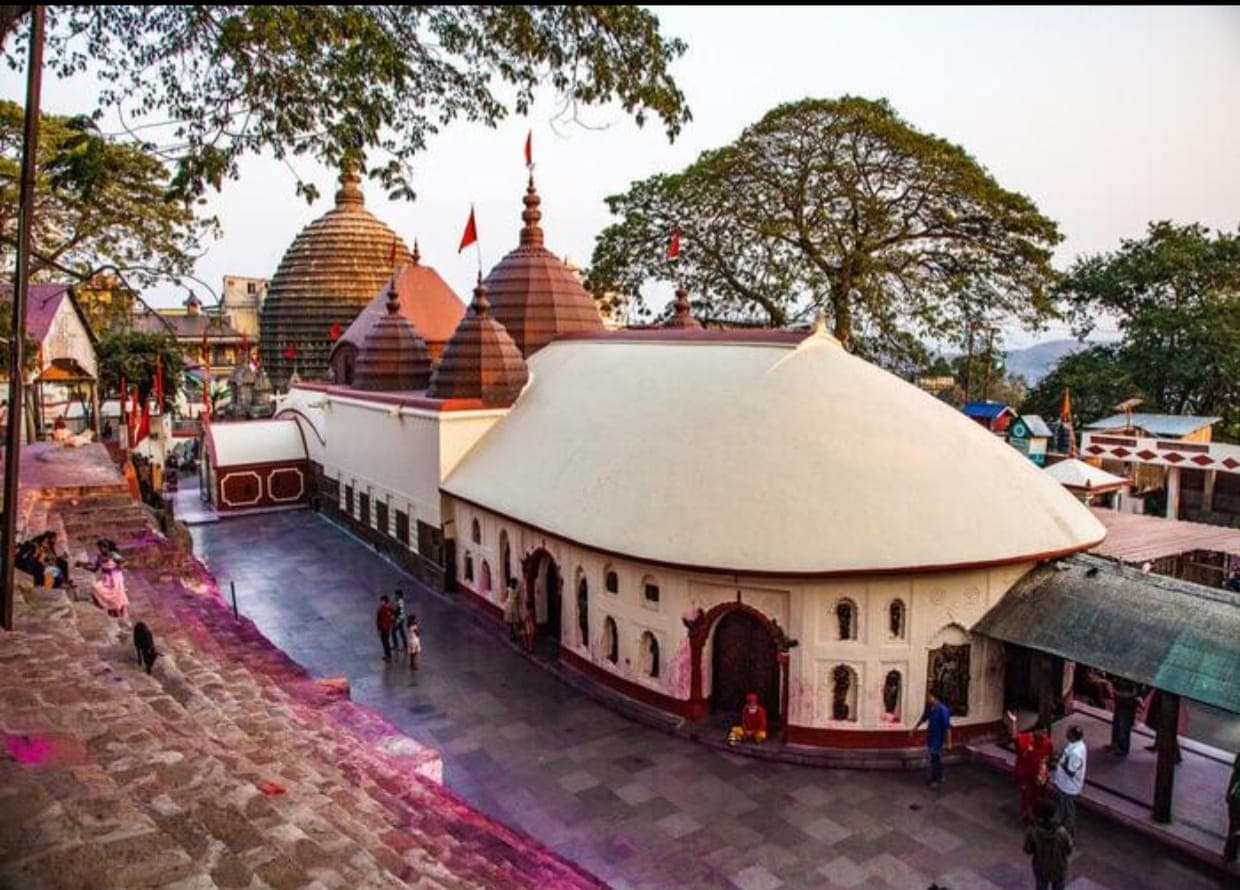
The Kamakhya Temple, located atop Nilachal Hill in Guwahati, Assam, is one of the oldest and most revered Hindu temples in India. Dedicated to Goddess Kamakhya, an incarnation of Goddess Shakti, the temple is recognized as one of the 51 Shakti Peethas, making it one of the most important pilgrimage destinations for devotees of Shaktism.
The Legend of the Shakti Peetha
According to Hindu mythology, Goddess Sati, the daughter of King Daksha, married Lord Shiva against her father's wishes. During a grand yajna (sacrificial ceremony), Daksha insulted Lord Shiva, causing Sati to self-immolate in grief.
Heartbroken, Lord Shiva carried Sati's body across the universe while performing the Tandava, the cosmic dance of destruction. To restore balance, Lord Vishnu used his Sudarshana Chakra to divide Sati's body into several parts, which fell at different locations across the Indian subcontinent. These sacred places became known as the Shakti Peethas.
It is believed that the yoni (womb and creative power) of Goddess Sati fell at Nilachal Hill, making Kamakhya Temple a powerful symbol of fertility, feminine energy, creation, and divine motherhood. Unlike most temples, Kamakhya does not house a traditional idol of the goddess. Instead, devotees worship a naturally formed rock crevice that is continuously fed by an underground spring, symbolizing the goddess's eternal creative energy.
Historical Background
The origins of the Kamakhya Temple are ancient, with references found in texts such as the Kalika Purana, Yogini Tantra, and other Tantric scriptures. Historians believe that worship at the site dates back well over a thousand years.
The original temple is thought to have been damaged during invasions in the 16th century. It was later rebuilt around 1565 CE by King Naranarayana and his brother Chilarai of the Koch dynasty. Much of the temple's present structure reflects this reconstruction, combining the distinctive Nilachal architectural style with influences from local Assamese temple design.
Over the centuries, rulers from the Koch and Ahom kingdoms supported the temple through restoration and patronage, helping it remain one of the most important centers of worship in Northeast India.
Kamakhya and Tantric Tradition
Kamakhya Temple is regarded as one of the foremost centers of Tantric worship in the world. Unlike many Hindu temples, rituals here celebrate the life-giving power of nature and the divine feminine. The temple attracts not only pilgrims but also spiritual seekers, scholars, and practitioners interested in Tantra and Shakta traditions.
The Ambubachi Mela
One of the temple's most significant annual events is the Ambubachi Mela, held every year around June. It is believed that during this period, Goddess Kamakhya undergoes her annual menstrual cycle, symbolizing the fertility of Mother Earth.
The temple remains closed for three days during this sacred observance. When it reopens, thousands of devotees gather to receive blessings and sacred offerings. The Ambubachi Mela is one of the largest spiritual gatherings in Northeast India and attracts pilgrims, ascetics, and visitors from across the world.
Kamakhya Temple Today
Today, the Kamakhya Temple is not only a major religious destination but also one of Assam's most iconic landmarks. Perched on Nilachal Hill, it offers panoramic views of Guwahati and the Brahmaputra River while preserving centuries of history, mythology, and architectural heritage.
Whether you visit as a pilgrim, a history enthusiast, or a traveler exploring Northeast India, Kamakhya Temple offers a unique experience where faith, legend, and history come together, making it an essential stop on every Guwahati itinerary.
History of Umananda Temple: The Sacred Island Temple of the Brahmaputra
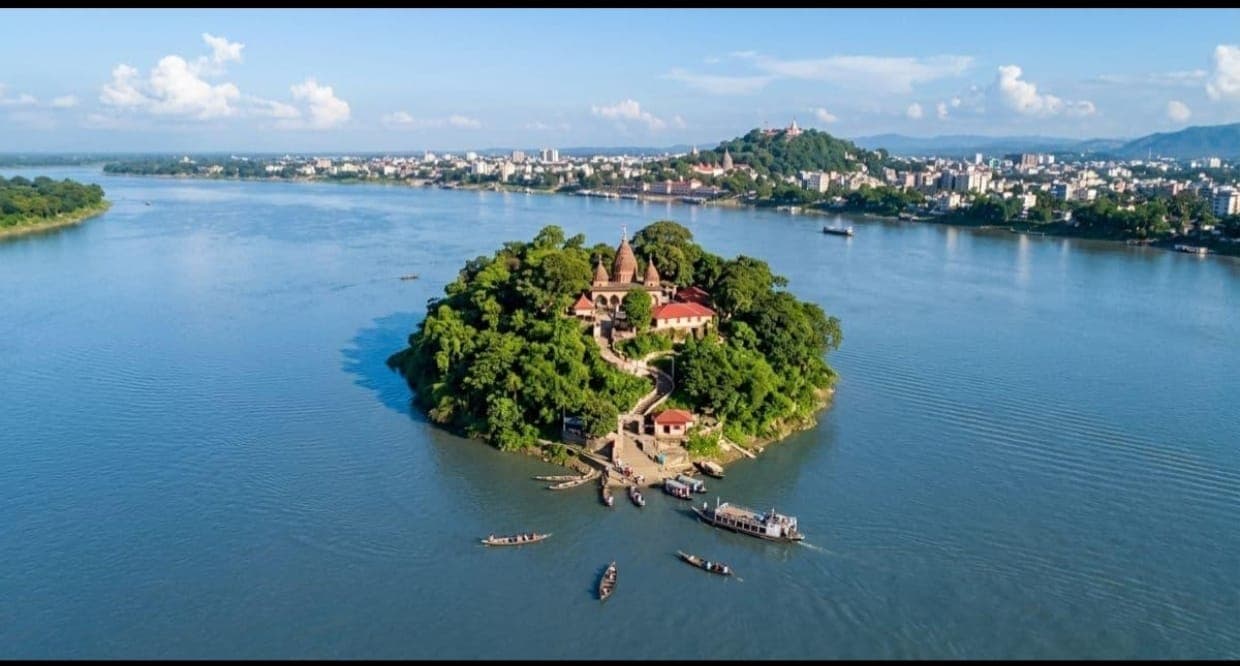
The Umananda Temple is one of Guwahati's most iconic spiritual landmarks, beautifully situated on Peacock Island in the middle of the mighty Brahmaputra River. Surrounded by serene waters and lush greenery, it is widely regarded as the smallest inhabited river island in the world and is a must-visit destination for pilgrims and tourists alike.
The Legend Behind Umananda Temple
According to Hindu mythology, Lord Shiva chose this peaceful island as a place for meditation. It is believed that Goddess Parvati (Uma) and Lord Shiva spent time here together, which is why the temple is called "Umananda"—a combination of Uma (another name for Goddess Parvati) and Ananda, meaning bliss or divine happiness.
Another legend from the Kalika Purana states that Lord Shiva burned Kamadeva (the God of Love) to ashes at this very spot after Kamadeva tried to interrupt his meditation. Because of this, the island was once known as Bhasmachal, meaning "Hill of Ashes."
Historical Background
The present-day Umananda Temple was built in 1694 AD by King Gadadhar Singha of the Ahom dynasty, one of Assam's most powerful royal kingdoms. The temple reflects traditional Assamese temple architecture and has remained an important center of worship for centuries.
In 1897, a devastating earthquake damaged much of the original structure. The temple was later restored and renovated, preserving its historical and religious significance while maintaining its unique architectural character.
Architecture
The temple features traditional Assamese stone architecture with beautifully carved sculptures depicting Hindu gods and goddesses. Visitors can also find ancient inscriptions and intricate carvings that reflect the artistic excellence of the Ahom period.
The peaceful surroundings, combined with panoramic views of the Brahmaputra River and the Guwahati skyline, make Umananda Temple one of the most scenic religious sites in Northeast India.
How to Reach Umananda Temple
The temple is accessible only by ferry or boat from Kachari Ghat (near the Guwahati riverfront). The short boat ride across the Brahmaputra is an attraction in itself, offering stunning views of the river, Peacock Island, and the city.
Best Time to Visit
The ideal time to visit is October to April, when the weather is pleasant and ferry services operate smoothly. Early mornings and late afternoons are particularly beautiful, offering peaceful surroundings and excellent opportunities for photography.
Why Visit Umananda Temple?
Umananda Temple is more than just a place of worship. It combines mythology, history, architecture, spirituality, and natural beauty in one unforgettable destination. Whether you're seeking blessings, learning about Assam's heritage, or simply enjoying a boat ride on the Brahmaputra, a visit to Umananda Temple is an essential part of any Guwahati itinerary.
History of the Brahmaputra River: The Lifeline of Assam
The Brahmaputra River is one of the world's greatest rivers and the lifeline of Assam. Stretching for approximately 2,900 km, it flows through China (where it is known as the Yarlung Tsangpo), India, and Bangladesh, before joining the Ganges and emptying into the Bay of Bengal. In India, the Brahmaputra enters Arunachal Pradesh as the Siang River, is later joined by the Dibang and Lohit rivers, and then flows through Assam as the mighty Brahmaputra.
The name "Brahmaputra" comes from Sanskrit, meaning "Son of Brahma," making it one of the few major rivers in the world with a masculine name. According to Hindu mythology, the river is believed to have originated from Lord Brahma, the creator of the universe, and is considered sacred by millions of devotees.
For thousands of years, the Brahmaputra has shaped the history, culture, and economy of Northeast India. Ancient kingdoms such as Kamarupa flourished along its fertile banks, using the river as a vital route for trade, agriculture, communication, and cultural exchange. During the reign of the Ahom Kingdom (1228–1826), the Brahmaputra played a crucial role in defending Assam from invasions. One of the most significant events in Indian history, the Battle of Saraighat (1671), took place on this river, where the Ahom army led by the legendary Lachit Borphukan successfully defeated the Mughal forces. This victory remains a symbol of courage and Assamese pride.
The Brahmaputra is also deeply connected with Assam's spiritual heritage. Several important temples, including the Kamakhya Temple on Nilachal Hill and the Umananda Temple on Peacock Island, overlook the river. Pilgrims and travelers have crossed its waters for centuries, making it an integral part of religious traditions and local life.
Beyond its historical significance, the river supports a rich ecosystem. It nourishes fertile farmlands, sustains fishing communities, and provides habitat for diverse wildlife, including the endangered Gangetic river dolphin, one-horned rhinoceros in nearby national parks, migratory birds, and numerous aquatic species.
Today, the Brahmaputra remains the heart of Guwahati. Visitors can enjoy scenic sunset river cruises, ferry rides to Peacock Island, riverside walks, and breathtaking views of the Saraighat Bridge. Whether admired for its historical importance, natural beauty, or cultural significance, the Brahmaputra River continues to define the identity of Assam and stands as one of the most remarkable rivers in Asia.
Beyond the guide lies the real experience. When you're ready to explore Guwahati and the hidden wonders of Northeast India, let NEexplore NOW design a personalised journey that reflects your travel style. Your unforgettable adventure starts here.
• Explore Guwahati Tour Packages • Discover Meghalaya Tour Packages • Plan Your Kaziranga Safari Tour • Browse Our Latest Travel Guides • Contact NEexplore NOW for a Customised Tour
Best Time to Visit Guwahati
One of the most common questions travelers ask is, "When is the best time to visit Guwahati?" The answer depends on the kind of experience you're looking for.
Guwahati is a year-round destination, but the city's weather changes significantly with the seasons. Winter brings pleasant temperatures ideal for sightseeing, monsoon transforms the region into a lush green paradise, while summer is warm but still suitable for short trips and nearby hill destinations.
For most travelers, October to April is considered the best time to visit Guwahati. During these months, the weather is comfortable, skies are generally clear, and road conditions are excellent for exploring nearby destinations such as Shillong, Cherrapunji, Dawki, Kaziranga National Park, Pobitora Wildlife Sanctuary, and Tawang.
---
Guwahati Weather Overview
Guwahati experiences a humid subtropical climate with three main seasons:
- Summer: March to June - Monsoon: June to September - Winter: October to February
The city receives abundant rainfall during the monsoon because of its proximity to Meghalaya, one of the wettest regions in the world.
---
Winter in Guwahati (October – February)
⭐⭐⭐⭐⭐ Best Season to Visit
Winter is undoubtedly the most popular time for tourism in Guwahati.
Temperature
- Day: 20°C–28°C - Night: 10°C–16°C
Why Visit During Winter?
The weather is cool and pleasant, making it ideal for:
- Visiting Kamakhya Temple - Exploring Umananda Island - Brahmaputra River Cruise - Wildlife trips to Kaziranga and Pobitora - Day trips to Shillong and Cherrapunji - Photography and sightseeing - Shopping in Fancy Bazaar and Pan Bazaar
During winter, visibility is generally excellent, offering spectacular sunrise and sunset views over the Brahmaputra River.
Pros
- Comfortable weather - Clear skies - Excellent road conditions - Peak wildlife safari season - Perfect for family vacations and honeymoon trips
Things to Pack
- Light woolen jacket - Comfortable walking shoes - Sunglasses - Moisturizer - Camera
---
Summer in Guwahati (March – June)
⭐⭐⭐⭐ Good Time to Visit
Summer in Guwahati is warm but manageable, especially when compared to many other Indian cities.
Temperature
- Day: 28°C–36°C - Night: 22°C–26°C
Although afternoons can be hot, mornings and evenings remain pleasant enough for sightseeing.
Best Activities
- Temple visits early in the morning - Evening Brahmaputra cruises - Café hopping - Indoor museums - Shopping - Short weekend trips
If you're planning to continue your journey to Meghalaya, the cooler climate of Shillong and Cherrapunji offers a refreshing escape from the summer heat.
Pros
- Fewer crowds - Better hotel deals - Easier sightseeing - Less waiting time at attractions
Travel Tips
- Carry water at all times. - Wear light cotton clothing. - Use sunscreen and sunglasses. - Avoid long outdoor walks during the afternoon.
---
Monsoon in Guwahati (June – September)
⭐⭐⭐ For Nature Lovers
Monsoon transforms Guwahati into a lush green city with refreshed landscapes and dramatic river views.
Temperature
- Day: 25°C–32°C - Night: 22°C–25°C
What Makes Monsoon Special?
The hills surrounding Guwahati become vibrant green, wetlands fill with migratory birds, and the countryside looks incredibly beautiful.
Nature photographers particularly enjoy this season.
Things to Consider
Heavy rainfall may occasionally cause:
- Waterlogging in some areas - Traffic delays - Changes to outdoor plans - Temporary travel disruptions on certain routes
However, if your itinerary is flexible, monsoon offers a quieter and more peaceful travel experience.
Best Monsoon Experiences
- Deepor Beel birdwatching - Scenic Brahmaputra views - Café experiences - Local food tours - Photography
Packing List
- Umbrella - Waterproof jacket - Waterproof footwear - Backpack rain cover - Extra clothes
---
Month-by-Month Travel Guide
January
One of the best months to visit. Cool weather, clear skies, and ideal for sightseeing and wildlife safaris.
February
Pleasant temperatures continue. Excellent for couples, families, and photographers.
March
Warmer afternoons begin, but mornings remain comfortable. Great for sightseeing.
April
A beautiful month with blooming greenery. Suitable for exploring nearby destinations.
May
Hot afternoons but fewer tourists. Good discounts on hotels.
June
Monsoon begins. Green landscapes and dramatic clouds create beautiful scenery.
July
Heavy rainfall. Perfect for travelers who enjoy nature and peaceful surroundings.
August
The city remains lush and vibrant. Carry rain gear and allow extra travel time.
September
Rainfall gradually decreases. Good time for photographers and nature lovers.
October
The start of the peak tourist season. Comfortable weather and festive atmosphere.
November
One of the best months to explore Guwahati and nearby destinations.
December
Cool, festive, and lively. Ideal for holiday vacations and year-end trips.
---
Festivals in Guwahati
Experiencing local festivals adds a unique cultural dimension to your visit.
Rongali Bihu (April)
The Assamese New Year, celebrated with traditional music, dance, and community feasts.
Durga Puja (September–October)
The city comes alive with beautifully decorated pandals, cultural programs, and festive celebrations.
Ambubachi Mela (June)
Held annually at the Kamakhya Temple, this renowned spiritual festival attracts pilgrims from across India.
Magh Bihu (January)
A harvest festival marked by traditional food, bonfires, and community celebrations.
If you plan to visit during these festivals, book hotels and transportation well in advance.
---
Best Time for Different Travelers
Family Vacation
October to February offers pleasant weather and comfortable sightseeing.
Honeymoon
November to February is ideal for romantic cruises and nearby hill escapes.
Budget Travelers
May to September often brings lower hotel rates and fewer crowds.
Wildlife Enthusiasts
November to April is the preferred season for visiting Kaziranga and Pobitora.
Photographers
October to March for clear skies, or July to September for lush green landscapes and dramatic monsoon scenes.
---
Seasonal Travel Tips
- Visit Kamakhya Temple early in the morning to avoid long queues. - Reserve accommodations in advance during winter and major festivals. - Carry cash for local markets and small vendors. - Keep a reusable water bottle during summer. - Pack a light jacket for winter evenings. - During monsoon, check weather forecasts before planning long road trips. - Wear comfortable footwear suitable for walking and temple visits.
---
Final Recommendation
If you're visiting Guwahati for the first time, plan your trip between October and April. This period offers the best combination of pleasant weather, comfortable sightseeing, wildlife experiences, river cruises, and easy access to popular destinations across Northeast India.
Whether you're interested in spirituality, nature, photography, food, or adventure, choosing the right season will help you make the most of your Guwahati journey.
How to Reach Guwahati
Guwahati is the main gateway to Northeast India and is the region's largest transportation hub. Whether you're traveling by air, train, or road, reaching Guwahati is convenient from almost every major Indian city.
Once you arrive, Guwahati serves as the starting point for popular destinations such as Shillong, Cherrapunji (Sohra), Dawki, Mawlynnong, Kaziranga National Park, Pobitora Wildlife Sanctuary, Tawang, Dirang, Bomdila, Majuli, and Manas National Park.
If this is your first trip to Northeast India, planning your journey through Guwahati is usually the easiest and most efficient option.
---
Reaching Guwahati by Air
Flying is the fastest and most convenient way to reach Guwahati.
The city is served by Lokpriya Gopinath Bordoloi International Airport (GAU), located about 25 km from the city center. It is one of the busiest airports in Northeast India and offers regular flights from major Indian cities.
Direct Flights Available From
- Delhi - Mumbai - Kolkata - Bengaluru - Chennai - Hyderabad - Pune - Jaipur - Ahmedabad - Agartala - Imphal - Aizawl - Dibrugarh - Silchar
Airport Facilities
- Prepaid taxi counters - App-based cab pickup zones - Car rental services - Cafés and restaurants - ATMs and currency exchange - Free Wi-Fi - Medical assistance - Parking facilities
Airport to City Travel Time
- Paltan Bazaar: 40–60 minutes - Fancy Bazaar: 45–60 minutes - Kamakhya Temple: 45–70 minutes - Six Mile: 20–30 minutes - Khanapara: 25–35 minutes
Travel times may vary depending on traffic conditions.
---
Reaching Guwahati by Train
Guwahati Junction is one of the most important railway stations in Northeast India and is well connected to major cities across the country.
Popular trains connect Guwahati with:
- New Delhi - Kolkata - Mumbai - Bengaluru - Chennai - Patna - Ranchi - Bhubaneswar - Howrah - Dibrugarh - Silchar
Facilities at Guwahati Railway Station
- Waiting rooms - Cloakroom - Food court - ATMs - Taxi stand - Auto-rickshaw stand - Hotel bookings nearby
The station is located close to Paltan Bazaar, making it convenient for travelers looking for hotels, restaurants, and transport.
---
Reaching Guwahati by Road
Guwahati is connected to neighboring states through a network of national highways.
Road travel is popular for visitors coming from:
- Shillong - Cherrapunji - Dawki - Kaziranga - Tezpur - Jorhat - Siliguri - Tawang (via Bomdila and Dirang) - Itanagar
Approximate Driving Distances
Destination| Distance| Travel Time Shillong| 100 km| 3 Hours Cherrapunji| 150 km| 5 Hours Dawki| 190 km| 6 Hours Kaziranga| 195 km| 4–5 Hours Pobitora Wildlife Sanctuary| 55 km| 1.5 Hours Tezpur| 180 km| 4 Hours Bomdila| 335 km| 8–9 Hours Dirang| 420 km| 10–11 Hours Tawang| 520 km| 12–14 Hours
---
Local Transportation in Guwahati
Getting around the city is easy, with several transport options available.
App-Based Cabs
Services like Ola and Uber operate in many parts of Guwahati and are suitable for local sightseeing and airport transfers.
Auto-Rickshaws
Auto-rickshaws are widely available and are ideal for short-distance travel. It's a good idea to confirm the fare before starting your journey if the vehicle is not using a meter.
City Buses
Affordable buses connect major areas of Guwahati. They are a budget-friendly option but may be crowded during peak hours.
Rental Cars
For travelers planning day trips to Meghalaya, Kaziranga, or Arunachal Pradesh, hiring a private vehicle is the most comfortable option.
---
Self-Drive vs. Chauffeur-Driven Cars
Self-Drive
Suitable for experienced drivers familiar with hilly roads and local traffic conditions.
Chauffeur-Driven Vehicle
Recommended for most tourists, especially for long-distance trips to destinations like Shillong, Cherrapunji, Kaziranga, and Tawang. Local drivers are experienced with mountain roads and changing weather conditions.
---
Average Local Transport Costs (Approximate)
Service| Estimated Cost Airport Taxi| ₹700–₹1,200 Auto-Rickshaw (Short Distance)| ₹100–₹250 App Cab (Within City)| ₹150–₹500 Full-Day Cab Rental| ₹2,500–₹4,500
Prices vary depending on vehicle type, distance, season, and demand.
---
Fuel Stations and ATMs
Fuel stations are easily available throughout Guwahati, including along major highways leading to Shillong, Kaziranga, and Tezpur.
ATMs from all major banks are widely available in commercial areas such as Paltan Bazaar, Fancy Bazaar, GS Road, Zoo Road, and Beltola.
---
Mobile Network and Internet
Most major telecom providers offer good coverage in Guwahati.
Popular networks include:
- Jio - Airtel - BSNL - Vi (Vodafone Idea)
4G and expanding 5G services are available in many parts of the city. Connectivity may vary in remote areas outside Guwahati.
---
Essential Emergency Contacts
Keep these important numbers handy during your trip:
- National Emergency: 112 - Ambulance: 108 - Police: 100 - Fire Service: 101
Save your hotel contact details and the phone number of your driver or tour operator for convenience.
---
Travel Costs for Different Budgets
Budget Travelers
Approximate daily cost:
- Accommodation: ₹800–₹1,500 - Food: ₹500–₹800 - Local transport: ₹300–₹600
Estimated Total: ₹1,600–₹2,900 per day
Mid-Range Travelers
Approximate daily cost:
- Accommodation: ₹2,500–₹5,000 - Food: ₹800–₹1,500 - Transport: ₹800–₹1,500
Estimated Total: ₹4,100–₹8,000 per day
Luxury Travelers
Approximate daily cost:
- Accommodation: ₹6,000+ - Dining: ₹2,000+ - Private transport: ₹3,000+
Estimated Total: ₹11,000+ per day
---
Travel Tips Before You Arrive
- Book flight or train tickets early during peak season (October–April). - Keep digital and printed copies of important documents. - Carry both cash and digital payment options. - Dress modestly when visiting religious sites. - Start sightseeing early to avoid traffic and crowds. - Download offline maps if you're planning road trips beyond Guwahati. - If continuing to Meghalaya or Arunachal Pradesh, plan your departure early in the day for a smoother journey.
---
Why Start Your Northeast Journey from Guwahati?
Guwahati offers excellent connectivity, reliable accommodation, diverse dining options, and access to some of Northeast India's most iconic destinations. Whether you're planning a weekend getaway or a multi-state adventure, beginning your trip here makes travel more convenient and efficient.
From Guwahati, you can seamlessly continue your journey to misty mountains, living root bridges, wildlife sanctuaries, ancient monasteries, and picturesque villages across the region.
Top 30 Places to Visit in Guwahati
Guwahati is much more than just the gateway to Northeast India. The city offers a fascinating mix of ancient temples, wildlife sanctuaries, scenic river islands, museums, cultural centers, lakes, bustling markets, and peaceful viewpoints. Whether you're a spiritual traveler, nature lover, photographer, or family vacationer, there's something for everyone.
Below are 30 must-visit places in and around Guwahati.
---
1. Kamakhya Temple ⭐⭐⭐⭐⭐
No visit to Guwahati is complete without visiting the Kamakhya Temple, one of India's most sacred Shakti Peethas. Situated atop Nilachal Hill, the temple attracts millions of devotees every year.
Highlights
- One of the 51 Shakti Peethas - Stunning hilltop views - Spiritual significance - Ambubachi Mela
Best Time: October–April
Timings: 5:30 AM – 10:00 PM
Entry Fee: Free (Special Darshan available at extra cost)
Travel Tip: Arrive before 7:00 AM to avoid long queues.
---
2. Umananda Temple (Peacock Island)
Located on the world's smallest inhabited river island in the Brahmaputra River, Umananda Temple offers breathtaking river views and a peaceful atmosphere.
Highlights
- Ferry ride - Shiva Temple - Scenic island - Photography
Time Required: 2–3 Hours
Entry Fee: Ferry charges apply.
---
3. Brahmaputra River Cruise
One of the most memorable experiences in Guwahati is enjoying a sunset cruise on the mighty Brahmaputra River.
Highlights
- Sunset views - Live music (on selected cruises) - Dinner cruises - Photography
Best Time: October–March
---
4. Deepor Beel
A Ramsar Site famous for birdwatching and natural beauty.
Best For
- Birdwatching - Nature lovers - Photography
Best Season: November–February
---
5. Assam State Museum
A perfect destination to understand Assam's history, archaeology, tribal culture, and ancient artifacts.
Time Needed: 2 Hours
---
6. Srimanta Sankardev Kalakshetra
A cultural complex showcasing Assamese heritage, traditional architecture, museums, and cultural performances.
Perfect For
- Families - Students - Culture enthusiasts
---
7. Assam State Zoo cum Botanical Garden
The largest zoo in Northeast India featuring tigers, leopards, rhinoceroses, reptiles, birds, and a botanical garden.
Recommended Time: Morning
---
8. Navagraha Temple
Dedicated to the nine celestial planets, this temple sits atop Chitrachal Hill and offers panoramic city views.
---
9. Basistha Temple
A peaceful temple surrounded by forest and a flowing stream, believed to be associated with Sage Vasistha.
---
10. Dighalipukhuri
A historic lake in the heart of Guwahati, ideal for evening walks and paddle boating.
---
11. Nehru Park
A beautifully landscaped public park featuring sculptures depicting Assamese dance forms.
Perfect for families with children.
---
12. ISKCON Guwahati
A serene temple known for devotional music, peaceful surroundings, and spiritual atmosphere.
---
13. Regional Science Centre
A fun educational attraction with science exhibits, a planetarium, and interactive displays.
Great for children and families.
---
14. Fancy Bazaar
The city's busiest shopping district.
Buy:
- Assam Tea - Traditional clothing - Handicrafts - Electronics - Local snacks
---
15. Pan Bazaar
Known for bookstores, cafés, local markets, and heritage buildings.
---
16. Uzan Bazaar
One of Guwahati's oldest markets offering fresh produce, traditional goods, and riverside charm.
---
17. Saraighat Bridge Viewpoint
Enjoy spectacular views of the Brahmaputra River and the iconic Saraighat Bridge, especially during sunrise and sunset.
---
18. Guwahati Planetarium
Ideal for astronomy enthusiasts and children interested in space science.
---
19. Gandhi Mandap
Situated on Sarania Hill, this peaceful memorial offers one of the best panoramic views of Guwahati.
---
20. Sukreswar Temple
Located along the Brahmaputra River, this ancient Shiva temple is known for its tranquil setting and beautiful riverfront.
---
21. North Guwahati
Cross the Brahmaputra by ferry to explore a quieter side of the city with temples, heritage sites, and scenic riverside views.
---
22. Chandubi Lake (Day Trip)
Located around 65 km from Guwahati, Chandubi Lake is surrounded by forests and tea gardens.
Activities
- Boating - Village walks - Birdwatching - Photography
---
23. Pobitora Wildlife Sanctuary (Day Trip)
Famous for having one of the highest densities of the Indian one-horned rhinoceros.
Activities
- Jeep Safari - Birdwatching - Wildlife Photography
Distance: Approximately 55 km
---
24. Hajo (Day Trip)
A unique destination where Hinduism, Islam, and Buddhism coexist harmoniously.
Visit:
- Hayagriva Madhava Temple - Powa Mecca - Kedareswara Temple
---
25. Sualkuchi Silk Village
Known as the "Manchester of the East," Sualkuchi is famous for its exquisite Muga, Eri, and Pat silk weaving.
Best Souvenirs
- Muga Silk Sarees - Mekhela Chador - Scarves - Handwoven textiles
---
26. Amchang Wildlife Sanctuary
A lesser-known wildlife destination on the outskirts of Guwahati.
Ideal for nature lovers seeking a peaceful escape.
---
27. Madan Kamdev
Often called the "Khajuraho of Assam," this archaeological site features beautifully carved temple ruins dating back centuries.
Distance: Around 40 km
---
28. Basistha Ashram
Located amidst lush greenery, this spiritual retreat is believed to be the meditation site of Sage Vasistha.
---
29. Accoland
The largest amusement and water park near Guwahati.
Perfect for:
- Families - Kids - Weekend outings
---
30. Brahmaputra Riverfront
A beautiful place to relax in the evening, enjoy local snacks, take photographs, or simply watch the river flow.
---
Suggested Sightseeing Plan
One-Day Tour
- Kamakhya Temple - Umananda Temple - Assam State Museum - Fancy Bazaar - Brahmaputra River Cruise
---
Two-Day Tour
Day 1
- Kamakhya Temple - Umananda Temple - Dighalipukhuri - River Cruise
Day 2
- Kalakshetra - Assam State Zoo - Navagraha Temple - Fancy Bazaar
---
Three-Day Tour
Add one of the following day trips:
- Pobitora Wildlife Sanctuary - Chandubi Lake - Hajo - Sualkuchi Silk Village - Madan Kamdev
---
Photography Spots
Don't miss these Instagram-worthy locations:
- Brahmaputra River at sunset - Kamakhya Temple viewpoint - Umananda Island - Deepor Beel - Chandubi Lake - Saraighat Bridge - Gandhi Mandap - Sualkuchi Silk Village
---
Tips for Sightseeing
- Begin your day early to avoid traffic. - Visit temples in modest attire. - Carry drinking water and sunscreen. - Wear comfortable walking shoes. - Reserve river cruises in advance during peak season. - Keep a camera or smartphone ready—Guwahati offers stunning landscapes throughout the day.
---
Final Thoughts
From sacred temples and historic landmarks to vibrant markets, serene lakes, and unforgettable wildlife experiences, Guwahati is a destination that offers far more than most travelers expect. Spending 2–3 days exploring the city before heading to Meghalaya, Kaziranga, or Arunachal Pradesh will enrich your Northeast India journey.
Inspired to explore Guwahati? Let this be the beginning of your unforgettable Northeast journey. From sacred temples and vibrant culture to breathtaking landscapes and hidden gems, NEexplore NOW crafts personalised travel experiences designed around you. Explore more and start planning today.
Complete Guwahati Itineraries (1 to 5 Days)
Planning your itinerary is one of the most important parts of any trip. Whether you're visiting Guwahati for a day or using it as the starting point for a longer Northeast India adventure, these carefully planned itineraries will help you make the most of your time.
This section includes 1-day, 2-day, 3-day, 4-day, and 5-day itineraries, along with recommendations for families, couples, solo travelers, and budget travelers.
---
1-Day Guwahati Itinerary
Perfect for: Business travelers, weekend visitors, and those with limited time.
Morning
6:30 AM – 9:00 AM
- Visit Kamakhya Temple - Enjoy panoramic city views from Nilachal Hill
9:00 AM – 10:00 AM
- Traditional Assamese breakfast
---
Late Morning
- Visit Umananda Temple - Ferry ride across the Brahmaputra River
---
Afternoon
- Lunch at a traditional Assamese restaurant - Explore Assam State Museum
---
Evening
- Brahmaputra River Cruise - Sunset photography - Dinner at a riverside restaurant
---
2-Day Guwahati Itinerary
Day 1
- Kamakhya Temple - Umananda Temple - Lunch - Assam State Museum - Brahmaputra River Cruise
---
Day 2
- Srimanta Sankardev Kalakshetra - Assam State Zoo - Dighalipukhuri - Fancy Bazaar - Pan Bazaar
Perfect for first-time visitors.
---
3-Day Guwahati Itinerary
Day 1
Spiritual & Heritage Tour
- Kamakhya Temple - Umananda Temple - Sukreswar Temple - River Cruise
---
Day 2
Culture & Nature
- Kalakshetra - Assam State Zoo - Deepor Beel - Gandhi Mandap - Local Café
---
Day 3
Choose One Day Trip
Option A
Pobitora Wildlife Sanctuary
Activities:
- Jeep Safari - Birdwatching - Rhino spotting
---
Option B
Chandubi Lake
Activities:
- Boating - Village Walk - Photography
---
Option C
Hajo
Visit:
- Hayagriva Madhava Temple - Powa Mecca - Kedareswara Temple
---
Option D
Sualkuchi
Experience:
- Silk weaving - Shopping - Traditional Assamese culture
---
4-Day Guwahati Itinerary
Day 1
City Sightseeing
- Kamakhya Temple - Umananda Temple - River Cruise
---
Day 2
Museums & Culture
- Assam Museum - Kalakshetra - Zoo - Fancy Bazaar
---
Day 3
Pobitora Wildlife Sanctuary
Morning Safari
Lunch
Return to Guwahati
---
Day 4
Chandubi Lake
Village Experience
Local Food
Sunset Photography
---
5-Day Guwahati & Meghalaya Itinerary
This is one of the most popular travel plans.
---
Day 1
Arrive in Guwahati
Kamakhya Temple
River Cruise
Overnight Stay
---
Day 2
Drive to Shillong
Visit:
- Umiam Lake - Ward's Lake - Police Bazaar
Stay in Shillong
---
Day 3
Shillong → Cherrapunji
Visit:
- NohKaLikai Falls - Seven Sisters Falls - Mawsmai Cave - Arwah Cave
Stay in Cherrapunji
---
Day 4
Cherrapunji
Explore:
- Wei Sawdong Falls - Dainthlen Falls - Garden of Caves
Return to Shillong
---
Day 5
Shillong → Guwahati
Shopping
Airport Drop
---
Family-Friendly Itinerary
Families with children should focus on relaxed sightseeing.
Recommended Attractions
- Kamakhya Temple - Assam State Zoo - Science Centre - Kalakshetra - River Cruise - Chandubi Lake
Avoid overloading the schedule.
---
Honeymoon Itinerary
Perfect Romantic Experiences
- Sunset Cruise - Candlelight Dinner - Luxury Hotel Stay - Chandubi Lake - Scenic Cafés - Photography Sessions
Add Shillong or Cherrapunji for a memorable honeymoon.
---
Solo Traveler Itinerary
Ideal for independent travelers.
Explore
- Local Cafés - Museums - Markets - Riverfront - Deepor Beel - Ferry Ride - Walking Tours
Meet local people and experience Assamese culture.
---
Budget Traveler Itinerary
Affordable Attractions
- Kamakhya Temple - Umananda Temple - Dighalipukhuri - Gandhi Mandap - Fancy Bazaar - Pan Bazaar - Brahmaputra Riverfront
Use shared transport whenever possible.
---
Photography Itinerary
Best Locations
Early Morning
- Deepor Beel - Kamakhya Hill
Morning
- Umananda Island
Afternoon
- Kalakshetra
Evening
- Brahmaputra Cruise
Sunset
- Saraighat Bridge - Riverfront
---
Adventure Lovers
Combine Guwahati with:
- Meghalaya - Kaziranga - Tawang - Manas National Park - Pobitora
Adventure Activities
- Trekking - Wildlife Safari - Boating - Camping - Photography - Caving - Waterfall Exploration
---
Suggested Time at Each Attraction
Attraction| Time Required Kamakhya Temple| 2–3 Hours Umananda Temple| 2 Hours Museum| 1.5 Hours Zoo| 2–3 Hours Kalakshetra| 2 Hours Fancy Bazaar| 2 Hours River Cruise| 2 Hours Deepor Beel| 2 Hours Chandubi Lake| Half Day Pobitora| Full Day
---
Travel Planning Tips
✔ Start sightseeing before 8:00 AM.
✔ Keep temple visits in the morning.
✔ Reserve cruises in advance during winter.
✔ Carry drinking water.
✔ Keep one flexible evening.
✔ Don't try to cover too many places in one day.
✔ Include at least one day trip outside the city.
---
Recommended Stay Duration
Trip Type| Recommended Days Quick Visit| 1 Day City Tour| 2 Days Complete Guwahati| 3 Days Guwahati + Day Trips| 4 Days Guwahati + Meghalaya| 5 Days Northeast Explorer| 7–10 Days
---
Why Extend Your Trip Beyond Guwahati?
Once you've explored Guwahati, you're perfectly positioned to discover some of Northeast India's most spectacular destinations.
Top extensions include:
- Shillong - Cherrapunji - Dawki - Mawlynnong - Kaziranga National Park - Pobitora Wildlife Sanctuary - Tawang - Dirang - Bomdila - Majuli
These destinations are easily accessible by road and offer waterfalls, caves, wildlife, monasteries, and breathtaking mountain scenery.
---
Plan Your Northeast Adventure with NEexplore NOW
After exploring Guwahati, let NEexplore NOW take you deeper into the beauty of Northeast India. We offer customized tours, private cab services, family vacations, honeymoon packages, group tours, airport transfers, and offbeat travel experiences across Assam, Meghalaya, and Arunachal Pradesh.
Whether you're looking for a short city escape or a multi-day road trip through the hills, our experienced local team ensures a comfortable and memorable journey.
---
Budget Guide, Hotels, Best Areas to Stay & Essential Travel Tips
A well-planned budget can make your Guwahati trip smooth and stress-free. Whether you're a backpacker, a family on vacation, a couple planning a romantic getaway, or a luxury traveler, Guwahati offers accommodation and travel options for every budget.
In this section, you'll find estimated travel costs, the best neighborhoods to stay, accommodation recommendations, money-saving tips, and practical advice to help you enjoy your visit.
---
How Much Does a Guwahati Trip Cost?
The total cost depends on your travel style, accommodation, transport, and activities.
Budget Travelers
Approximate Cost (Per Person/Day)
Expense| Estimated Cost Hostel/Budget Hotel| ₹800–₹1,500 Food| ₹400–₹800 Local Transport| ₹300–₹600 Sightseeing| ₹300–₹700
Estimated Total: ₹1,800–₹3,500 per day
Ideal for backpackers, solo travelers, and students.
---
Mid-Range Travelers
Expense| Estimated Cost Hotel| ₹2,500–₹5,000 Food| ₹800–₹1,500 Transport| ₹800–₹1,500 Activities| ₹500–₹1,000
Estimated Total: ₹4,500–₹9,000 per day
Suitable for couples, families, and leisure travelers.
---
Luxury Travelers
Expense| Estimated Cost Premium Hotel| ₹6,000–₹15,000+ Dining| ₹2,000–₹5,000 Private Cab| ₹3,000–₹6,000 Experiences| ₹1,000–₹5,000
Estimated Total: ₹12,000–₹30,000+ per day
Perfect for honeymooners and premium holidays.
---
Best Areas to Stay in Guwahati
Choosing the right location can save time and make sightseeing easier.
1. Paltan Bazaar
Best For:
- Railway travelers - Budget hotels - Backpackers
Advantages
- Close to Guwahati Railway Station - Plenty of restaurants - Easy transport - Affordable accommodation
---
2. GS Road
Best For:
- Families - Business travelers - Shopping lovers
Advantages
- Shopping malls - Cafés - Restaurants - Premium hotels
---
3. Khanapara
Best For:
- Luxury stays - Couples - Long vacations
Quiet surroundings with easy airport access.
---
4. Six Mile
Best For:
- Families - Business travelers - Airport connectivity
A growing area with hotels, restaurants, and good road access to Meghalaya.
---
5. Fancy Bazaar
Ideal for travelers who enjoy local markets, shopping, and street food.
---
Types of Accommodation
Budget Hotels
Expect:
- Clean rooms - Wi-Fi - Basic amenities - Good for short stays
Average Price: ₹800–₹2,000
---
Mid-Range Hotels
Offer:
- Air-conditioned rooms - Restaurant - Parking - Room service
Average Price: ₹2,500–₹5,000
---
Luxury Hotels
Features:
- Swimming pool - Fine dining - Spa - Fitness center - Concierge service
Average Price: ₹6,000+
---
Homestays
A great option if you'd like to experience Assamese hospitality and local cuisine in a more personal setting.
---
Sample 3-Day Budget (Per Person)
Category| Estimated Cost Hotel (2 Nights)| ₹3,000 Food| ₹2,000 Local Transport| ₹1,500 Entry Fees & Activities| ₹1,000 Shopping| ₹2,500
Estimated Total: ₹10,000–₹12,000
---
Transportation Budget
Service| Estimated Fare Airport Taxi| ₹700–₹1,200 Auto-Rickshaw| ₹100–₹250 App-Based Cab| ₹150–₹500 Full-Day Private Cab| ₹2,500–₹4,500
Prices may vary based on distance, demand, and season.
---
Money-Saving Tips
- Travel during the shoulder season for better hotel rates. - Book flights and hotels early. - Use app-based cabs when practical. - Combine nearby attractions into the same day. - Enjoy local eateries for authentic and affordable meals. - Carry a reusable water bottle to reduce expenses and plastic waste.
---
Is Guwahati Safe for Tourists?
Yes. Guwahati is generally considered one of the safer cities in Northeast India for tourists. As with any destination, following basic precautions helps ensure a comfortable trip.
Safety Tips
- Keep valuables secure in crowded areas. - Avoid isolated places late at night. - Use registered taxis or trusted ride-hailing services. - Share your itinerary with family or friends if traveling solo. - Follow local rules and respect cultural practices.
---
Safety for Solo Female Travelers
Many solo female travelers visit Guwahati without issues. Consider these practical precautions:
- Stay in well-reviewed accommodations. - Prefer reliable transport services. - Avoid poorly lit areas late at night. - Dress respectfully when visiting religious places. - Keep emergency contact numbers handy.
---
Health Tips
- Drink bottled or filtered water. - Wear sunscreen during summer. - Carry a basic first-aid kit. - Use mosquito repellent, especially during the monsoon. - If you take prescription medication, carry enough for your trip.
---
What to Pack
Summer
- Cotton clothing - Hat or cap - Sunglasses - Sunscreen - Water bottle
---
Winter
- Light jacket - Sweater - Comfortable shoes
---
Monsoon
- Umbrella - Raincoat - Waterproof footwear - Dry bag for electronics
---
Useful Travel Apps
Consider installing:
- Google Maps - Uber or Ola - IRCTC Rail Connect - Airline app (for your carrier) - UPI payment app - Weather app
These apps can help with navigation, bookings, payments, and travel updates.
---
Responsible Travel Tips
Help preserve Guwahati's natural and cultural heritage:
- Avoid littering. - Respect wildlife and maintain distance. - Support local businesses and artisans. - Reduce single-use plastics. - Follow photography rules at religious sites. - Dress modestly in temples and sacred places.
---
Common Mistakes to Avoid
- Visiting Kamakhya Temple too late in the day, especially during peak season. - Underestimating travel time because of city traffic. - Planning too many attractions in one day. - Ignoring weather conditions during the monsoon. - Forgetting to carry cash for smaller shops and local markets.
---
Emergency Information
Keep these numbers accessible:
- National Emergency: 112 - Police: 100 - Ambulance: 108 - Fire Service: 101
Also save your hotel contact details and transport provider's phone number.
---
Why Choose a Local Tour Operator?
If you're planning to explore destinations beyond Guwahati—such as Shillong, Cherrapunji, Dawki, Kaziranga, or Tawang—a local operator can help with transportation, route planning, accommodation, and local insights.
Why Travel with NEexplore NOW?
NEexplore NOW specializes in curated journeys across Northeast India, offering:
- Customized Assam tour packages - Meghalaya road trips - Arunachal Pradesh tours - Kaziranga wildlife safaris - Airport transfers - Private cab services - Family vacations - Honeymoon packages - Group departures
Our local knowledge helps you travel comfortably while discovering well-known attractions and lesser-explored destinations.
---
Final Thoughts
With its wide range of accommodation, affordable transportation, delicious cuisine, and welcoming atmosphere, Guwahati is an excellent destination for travelers of all budgets. Careful planning, sensible budgeting, and a flexible itinerary will help you enjoy everything the city and the surrounding region have to offer.
Guwahati is only the beginning of an unforgettable Northeast journey. From the spiritual charm of Assam to the waterfalls of Meghalaya and the Himalayan beauty of Arunachal Pradesh, discover experiences crafted with local expertise and thoughtful care. Explore our signature tour packages and let NEexplore NOW turn your travel dreams into lasting memories.
• Explore Guwahati Tour Packages • Explore Assam Tour Packages • Explore Meghalaya Tour Packages • Explore Arunachal Pradesh Tour Packages • Explore More Travel Guides • Plan Your Customised Northeast Tour
---
Nearby Places to Explore
If you have extra time, extend your journey beyond Guwahati to discover some of Northeast India's most spectacular destinations.
Shillong (100 km)
Known as the Scotland of the East, Shillong is famous for its pleasant weather, waterfalls, lakes, and lively cafés.
Recommended Stay: 2–3 Days
---
Cherrapunji (150 km)
Explore:
- Nohkalikai Falls - Mawsmai Cave - Arwah Cave - Seven Sisters Falls - Garden of Caves - Wei Sawdong Falls
Recommended Stay: 2 Days
---
Dawki (190 km)
Famous for the crystal-clear Umngot River, boating, and the India–Bangladesh border.
---
Mawlynnong (170 km)
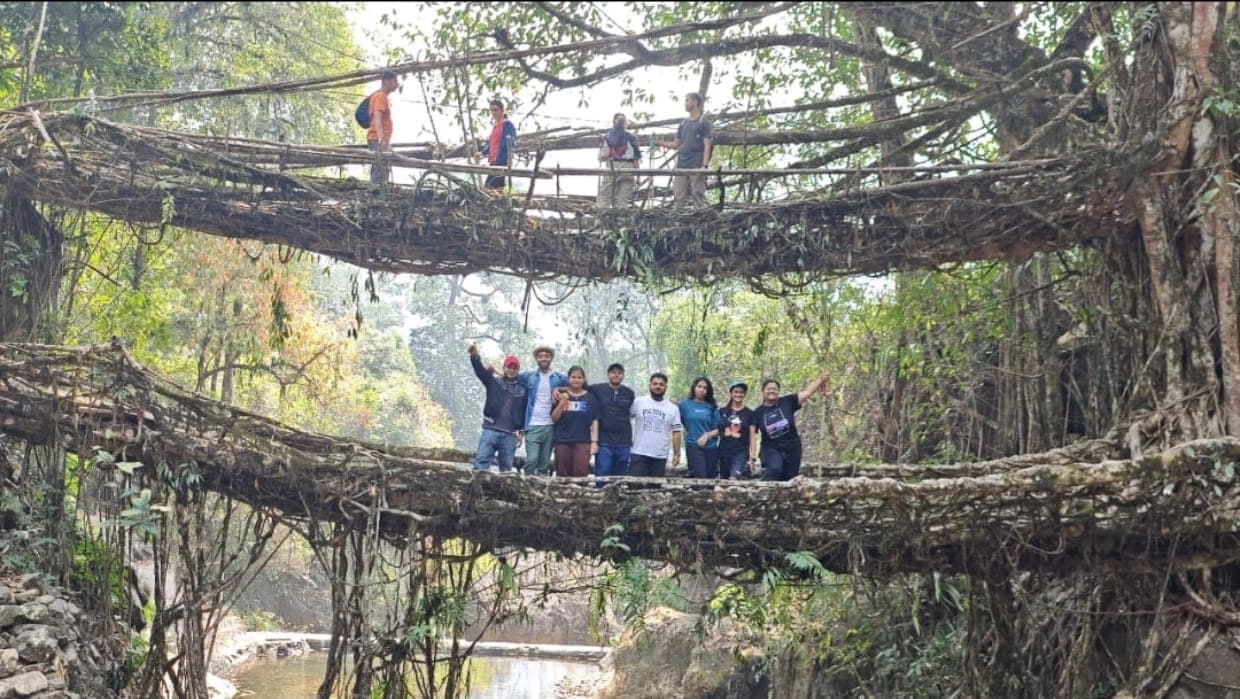
Known as one of Asia's cleanest villages, offering living root bridges, bamboo viewpoints, and a peaceful rural atmosphere.
---
Kaziranga National Park (195 km)
A UNESCO World Heritage Site and home to the iconic one-horned rhinoceros.
Best for:
- Jeep Safari - Elephant Safari (subject to availability) - Birdwatching - Wildlife Photography
---
Pobitora Wildlife Sanctuary (55 km)
Ideal for a half-day or full-day excursion, known for its high density of one-horned rhinoceroses.
---
Tawang (520 km)
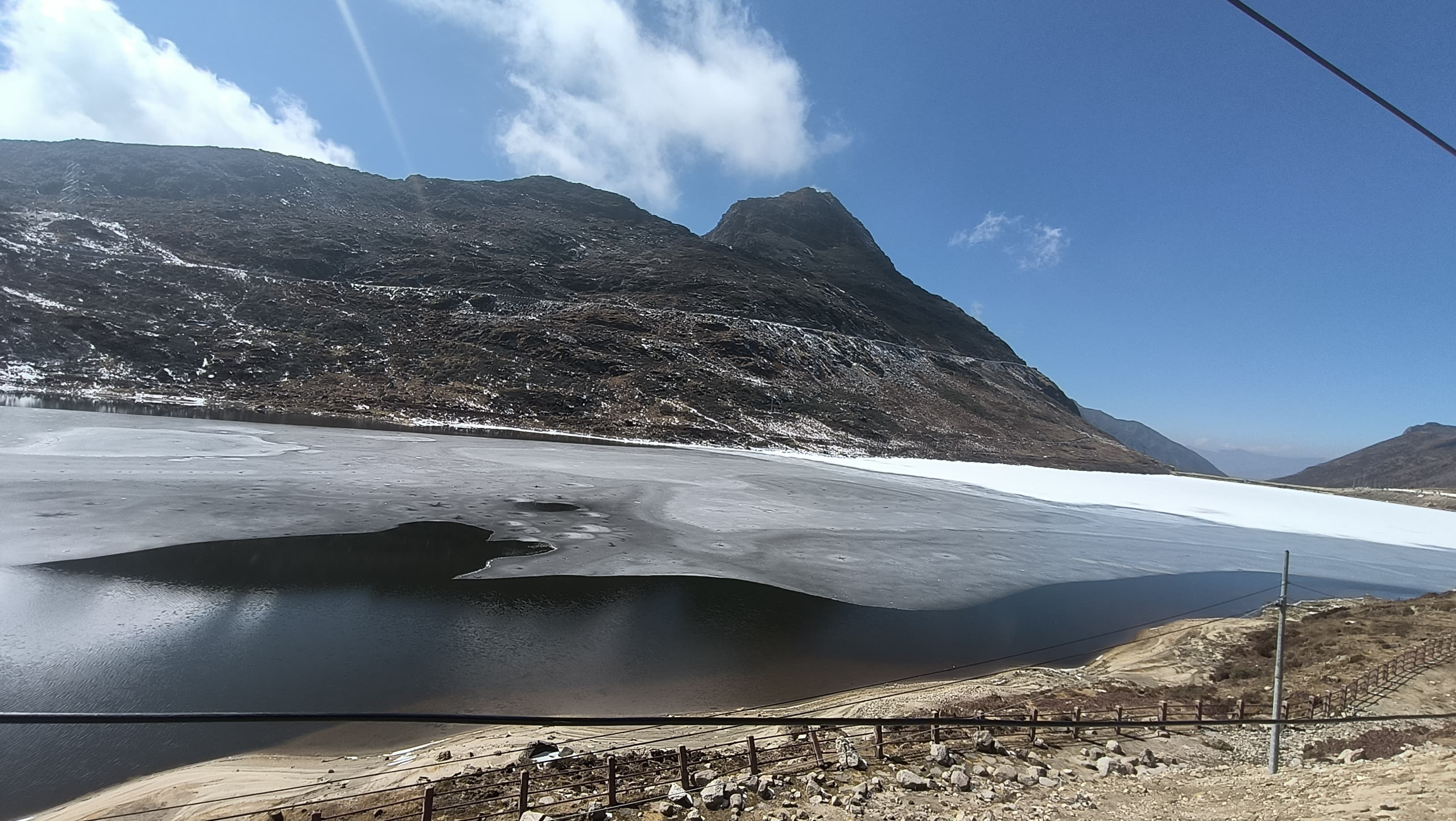
One of India's most scenic mountain destinations, featuring monasteries, high-altitude passes, lakes, and breathtaking Himalayan landscapes.
Recommended Stay: 5–7 Days
---
Majuli
The world's largest inhabited river island, celebrated for its Vaishnavite monasteries, pottery traditions, and tranquil countryside.
---
Why Guwahati is the Perfect Starting Point
Guwahati's excellent air, rail, and road connectivity makes it the ideal base for exploring the diverse landscapes of Northeast India. Within a few hours' drive, you can experience:
- Sacred temples - Rolling hills - Waterfalls - Limestone caves - Wildlife sanctuaries - Tea gardens - Traditional villages - Himalayan mountain roads
Few Indian cities offer such a wide variety of experiences within easy reach.
---
Essential Travel Checklist
Before your trip, make sure you have:
- ✔ Valid ID proof - ✔ Flight or train tickets - ✔ Hotel bookings - ✔ Cash and digital payment options - ✔ Comfortable walking shoes - ✔ Weather-appropriate clothing - ✔ Power bank - ✔ Personal medicines - ✔ Camera or smartphone - ✔ Reusable water bottle
---
Final Travel Tips
- Start sightseeing early to avoid traffic and crowds. - Book accommodation in advance during peak season. - Respect local customs at temples and religious sites. - Support local businesses and artisans whenever possible. - Keep your itinerary flexible, especially during the monsoon. - Leave enough time to explore beyond the city's famous attractions.
---
Conclusion
Guwahati is more than just the gateway to Northeast India—it's a destination where spirituality, culture, history, nature, and modern life come together. From the sacred Kamakhya Temple and the peaceful Brahmaputra River to vibrant markets, authentic Assamese cuisine, and unforgettable day trips, the city offers experiences that appeal to every type of traveler.
Whether you're planning a short city break, a family vacation, a honeymoon, or a road trip through Meghalaya and Arunachal Pradesh, Guwahati provides the perfect starting point. Slow down, explore beyond the obvious, connect with local culture, and let the beauty of Assam leave a lasting impression.
---
Explore Northeast India with NEexplore NOW
At NEexplore NOW, we believe every journey should be comfortable, authentic, and unforgettable. Our local expertise and carefully planned itineraries help travelers experience the very best of Northeast India.
Our Services
- Customized Northeast India Tour Packages - Assam Tour Packages - Meghalaya Tour Packages - Arunachal Pradesh Tour Packages - Kaziranga Wildlife Tours - Guwahati Sightseeing Tours - Airport Transfers - Private Cab Services - Honeymoon Packages - Family Vacations - Group Tours - Offbeat Travel Experiences
Whether you're visiting Guwahati for the first time or planning a longer Northeast adventure, our team is here to help you create memories that last a lifetime.
Explore More with NEexplore NOW:
• Guwahati Tour Packages • Assam Tour Packages • Meghalaya Tour Packages • Arunachal Pradesh Tour Packages • Kaziranga Tour Packages • Explore More Travel Guides • Plan Your Customised Northeast Tour
Plan Your Guwahati & Northeast Tour with NEexplore NOW
Explore the Gateway of Northeast India with our handpicked tour packages. From Kamakhya Temple darshan and Brahmaputra cruises to Kaziranga wildlife safaris and Meghalaya road trips, we handle every detail for a seamless holiday.
Hidden Gems of Guwahati: Discover the City's Best-Kept Secrets
Most travelers visit Kamakhya Temple, take a Brahmaputra River Cruise, shop at Fancy Bazaar, and then head to Shillong or Kaziranga. While these iconic attractions are worth exploring, Guwahati has another side—one filled with quiet lakes, peaceful riversides, forest trails, hidden temples, charming cafés, and scenic viewpoints that many tourists overlook.
If you enjoy slow travel, photography, birdwatching, or simply escaping the crowds, these offbeat places will help you experience Guwahati from a different perspective.
---
1. Chandubi Lake – A Peaceful Escape
Located around 65 km from Guwahati, Chandubi Lake is one of Assam's most beautiful hidden destinations. Formed after a major earthquake in 1897, the lake is surrounded by forests, tea gardens, and small villages.
Why Visit?
- Calm natural surroundings - Boating on the lake - Birdwatching - Village experiences - Beautiful sunrise and sunset views
Ideal Time to Visit: October to March
Photography Tip: Visit early in the morning when mist covers the lake.
---
2. Saraighat Riverside Viewpoint
While many visitors cross the historic Saraighat Bridge, only a few stop to admire the spectacular views of the Brahmaputra River.
This spot is especially beautiful during sunset when the sky reflects vibrant shades of orange and pink across the water.
Best For
- Landscape photography - Sunset lovers - Relaxing evening walks
---
3. North Guwahati
Cross the Brahmaputra by ferry and you'll discover a quieter, more traditional side of Guwahati.
Highlights include:
- Ancient temples - Village roads - Riverside scenery - Local tea stalls - Peaceful atmosphere
It feels like stepping into a different world, away from the city's busy streets.
---
4. Deepor Beel at Sunrise
Many tourists visit Deepor Beel during the day, but sunrise is when this Ramsar wetland truly comes alive.
Depending on the season, you may spot:
- Migratory birds - Fishermen in traditional boats - Misty wetlands - Reflections on calm waters
This is one of the best places in Guwahati for nature photography.
---
5. Gandhi Mandap Viewpoint
Situated on Sarania Hill, Gandhi Mandap offers panoramic views of Guwahati.
Unlike more crowded viewpoints, it remains relatively peaceful, making it ideal for:
- Sunrise photography - Evening relaxation - Cityscape photography
---
6. Amchang Wildlife Sanctuary
Located on the eastern outskirts of the city, Amchang Wildlife Sanctuary remains one of Guwahati's lesser-known natural attractions.
The sanctuary is home to:
- Elephants - Deer - Birds - Butterflies - Rich forest vegetation
Nature lovers can enjoy quiet drives and forest scenery.
---
7. Panikhaiti Riverside
If you're looking for a peaceful riverside picnic or an evening walk away from tourist crowds, Panikhaiti is a wonderful choice.
The wide views of the Brahmaputra and surrounding greenery create a relaxing atmosphere.
---
8. Basistha Forest Area
While many people visit Basistha Temple, fewer explore the surrounding forest.
The area features:
- Small streams - Walking trails - Dense greenery - Fresh air - Excellent photography opportunities
Visit early in the morning for the most peaceful experience.
---
9. Madan Kamdev
Often called the "Khajuraho of Assam," Madan Kamdev is one of the state's most fascinating archaeological sites.
The beautifully carved temple ruins date back to the 9th–12th centuries and remain relatively uncrowded compared to more famous heritage sites.
History enthusiasts and photographers will especially enjoy this destination.
---
10. Local Tea Cafés
Guwahati's café culture has grown rapidly over the last few years.
Instead of international coffee chains, try independent cafés that serve:
- Fresh Assam Tea - Local snacks - Traditional desserts - Cozy interiors - Views of the city or river
These cafés are ideal for relaxing after a day of sightseeing.
---
11. Hidden Sunset Spots Along the Brahmaputra
Beyond the popular cruise points, there are several quiet stretches of the Brahmaputra riverbank where you can enjoy spectacular sunsets without large crowds.
Bring your camera, sit by the river, and watch fishing boats glide across the water as the sky changes color.
---
12. Village Experiences Near Guwahati
Within an hour's drive from the city, you'll find traditional Assamese villages where visitors can experience:
- Rural life - Traditional bamboo houses - Farming practices - Local cuisine - Warm hospitality
These experiences offer a deeper understanding of Assam's culture beyond the city's attractions.
---
Best Photography Spots in Guwahati
If you're a photography enthusiast or content creator, don't miss these locations:
- Kamakhya Temple viewpoint - Umananda Island - Brahmaputra River at sunset - Deepor Beel - Chandubi Lake - Gandhi Mandap - Saraighat Bridge - Sualkuchi Silk Village - Panikhaiti Riverside - North Guwahati ferry route
---
Best Sunrise Locations
Wake up early and visit:
1. Deepor Beel 2. Gandhi Mandap 3. Chandubi Lake 4. Brahmaputra Riverfront 5. Saraighat Riverside
Morning light creates ideal conditions for photography and peaceful sightseeing.
---
Best Sunset Locations
The following places offer unforgettable evening views:
- Brahmaputra River Cruise - Saraighat Bridge - Panikhaiti Riverside - Chandubi Lake - Riverfront promenade - Umananda ferry ghat
---
Offbeat Experiences in Guwahati
If you want to explore beyond the usual tourist attractions, consider these unique experiences:
Take a Morning Ferry Ride
Cross the Brahmaputra to North Guwahati and enjoy scenic river views.
Explore Local Markets
Browse neighborhood markets for fresh produce, handmade crafts, and authentic Assamese snacks.
Taste Traditional Assamese Breakfast
Try Jolpan, a classic Assamese breakfast served with curd, jaggery, and rice-based delicacies.
Watch Sunset Without a Crowd
Skip the busiest viewpoints and discover quieter riverside spots for a more relaxed experience.
Visit During Local Festivals
Experiencing Bihu or other Assamese festivals offers a memorable glimpse into the region's vibrant culture.
---
Travel Tips for Exploring Hidden Places
- Start early in the morning to avoid traffic. - Hire a local guide for lesser-known destinations. - Respect local customs and village communities. - Carry water, snacks, and a power bank. - Wear comfortable walking shoes. - Avoid leaving litter at natural sites. - Ask permission before photographing local residents.
---
Why Explore Beyond the Tourist Trail?
The true charm of Guwahati lies not only in its famous landmarks but also in its quieter corners. Exploring hidden lakes, riversides, forests, villages, and viewpoints allows you to experience the city's authentic character and create memories that many visitors miss.
If you have an extra day in your itinerary, spending it discovering these offbeat locations is well worth the effort.
---
Final Thoughts
Hidden gems add depth to any journey, and Guwahati is full of them. From mist-covered wetlands and peaceful riverbanks to ancient ruins and charming villages, these lesser-known places reveal a slower, more intimate side of Assam's largest city.
Whether you're a photographer, nature lover, or curious traveler, don't limit your visit to the popular attractions—venture beyond the usual route and uncover Guwahati's hidden treasures.
Food Guide to Guwahati: Where to Eat & What to Try
No trip to Guwahati is complete without experiencing its rich culinary heritage. Assamese cuisine is known for it <truncated 35385 bytes>
NOTE: The output was truncated because it was too long. Use a more targeted query or a smaller range to get the information you need.
Assamese cuisine is subtle, fragrant, and heavily relies on fresh local ingredients, fish, leafy greens, herbs, and minimal spices.
Must-Try Dishes in Guwahati: • Masor Tenga – Signature Assamese sour fish curry made with elephant apple (Ou Tenga) or tomatoes. • Duck Curry (Haanh Mangxo) – Rich, flavorful curry cooked with ash gourd or sesame seeds. • Khar – Traditional alkaline dish prepared with sun-dried banana peel ash and raw papaya or fish. • Pitika – Comforting mashed dishes made of boiled potatoes, eggplant, or roasted fish with mustard oil, green chillies, and onions. • Jolpan – Classic Assamese breakfast of flattened rice (Chira), puffed rice (Muri), or roasted rice flour (Pithaguri) served with thick curd and liquid jaggery. • Assam Tea – Savor world-famous orthodox black tea at local tea lounges across the city.
Top Markets & Food Hubs: • Fancy Bazaar for local snacks, pithas, and street food. • Pan Bazaar & Uzan Bazaar for classic Assamese thali restaurants. • GS Road for modern fine dining and rooftop cafés.
Final Thoughts & Destination Directory
Guwahati is far more than just a transit stop—it is a destination rich in ancient legends, sacred temples, scenic riverfronts, vibrant markets, and warm Assamese culture. Spending a few days exploring its historic landmarks, river cruises, and hidden gems will set the perfect tone for your journey across Northeast India.
Ready to experience the Gateway of Northeast India? Book your customized itinerary with NEexplore NOW and travel with complete peace of mind.
Quick Package & Guide Directory: • Explore Our Guwahati Tour Packages • Explore Our Kaziranga National Park Tour Packages • Explore Our Meghalaya Tour Packages • Read the Complete Cherrapunji Travel Guide 2026 • Read the Complete Pobitora Wildlife Sanctuary Travel Guide • Read the Complete Majuli Travel Guide 2026 • Book Your Customized Northeast Tour with NEexplore NOW
Explore Guwahati & Northeast India Travel Directory
Ready to explore Guwahati and beyond? Choose a curated tour package or connect with NEexplore NOW for a custom itinerary.
Frequently Asked Questions
Is Guwahati worth visiting?
Yes. Guwahati is one of the best destinations in Northeast India, offering ancient temples, scenic river cruises, wildlife, vibrant markets, authentic Assamese cuisine, and excellent connectivity to Meghalaya, Arunachal Pradesh, and Kaziranga National Park.
How many days are enough for Guwahati?
A 2–3 day trip is ideal for exploring Guwahati's main attractions. If you plan to include day trips to Pobitora, Chandubi Lake, Hajo, or Sualkuchi, consider staying 4–5 days.
What is Guwahati famous for?
Guwahati is famous for Kamakhya Temple, the Brahmaputra River, Assam Tea, Muga Silk, Assamese cuisine, Umananda Temple, sunset river cruises, and as the Gateway to Northeast India.
What is the best time to visit Guwahati?
The best time to visit is October to April, when the weather is pleasant and ideal for sightseeing.
Is Guwahati safe for tourists?
Yes. Guwahati is generally safe for tourists. Follow basic travel precautions, especially at night and in crowded places.
Is Guwahati good for family trips?
Absolutely. Families can enjoy temples, parks, museums, wildlife sanctuaries, river cruises, and cultural attractions.
Is Guwahati good for honeymoon couples?
Yes. Couples can enjoy scenic sunsets, luxury hotels, Brahmaputra cruises, cafés, and nearby romantic destinations like Shillong and Cherrapunji.
Can I visit Shillong from Guwahati in one day?
Yes, but it will be a long day. Many travelers prefer spending at least one night in Shillong to enjoy the experience more comfortably.
Can I visit Cherrapunji from Guwahati?
Yes. Cherrapunji is around 150 km from Guwahati and is best explored as a 2–3 day trip.
Which airport serves Guwahati?
Lokpriya Gopinath Bordoloi International Airport (GAU).
Does Guwahati have Uber and Ola?
Yes. Both app-based taxi services operate in many parts of the city.
What language is spoken in Guwahati?
Assamese is the primary language, while Hindi and English are widely understood.
What food should I try?
Don't miss Assamese Thali, Khaar, Masor Tenga, Duck Curry, Bamboo Shoot Curry, Pitha, Jolpan, and Assam Tea.
What can I buy in Guwahati?
Popular souvenirs include Assam Tea, Muga Silk, Gamusa, Mekhela Chador, Bamboo Handicrafts, Bell Metal Crafts, and Organic Honey.
Is Guwahati expensive?
No. Compared to many Indian metro cities, Guwahati offers accommodation, food, and transport options suitable for every budget.
"Guwahati welcomes you with open arms, ancient legends, and the peaceful majesty of the Brahmaputra River. Let NEexplore NOW help you discover the vibrant culture, sacred heritage, and natural beauty of Northeast India with carefully crafted, hassle-free travel experiences."